
Last updated November 18, 2026
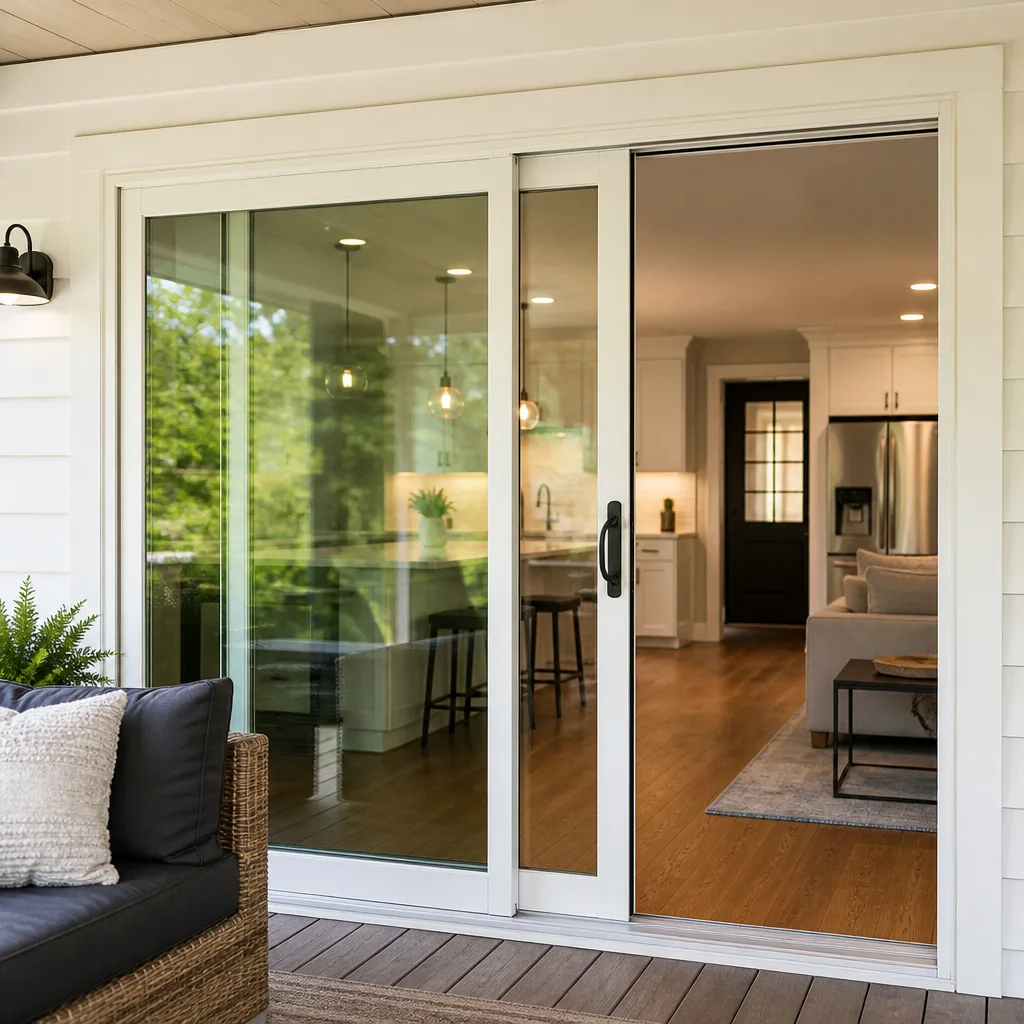 Sliding glass doors
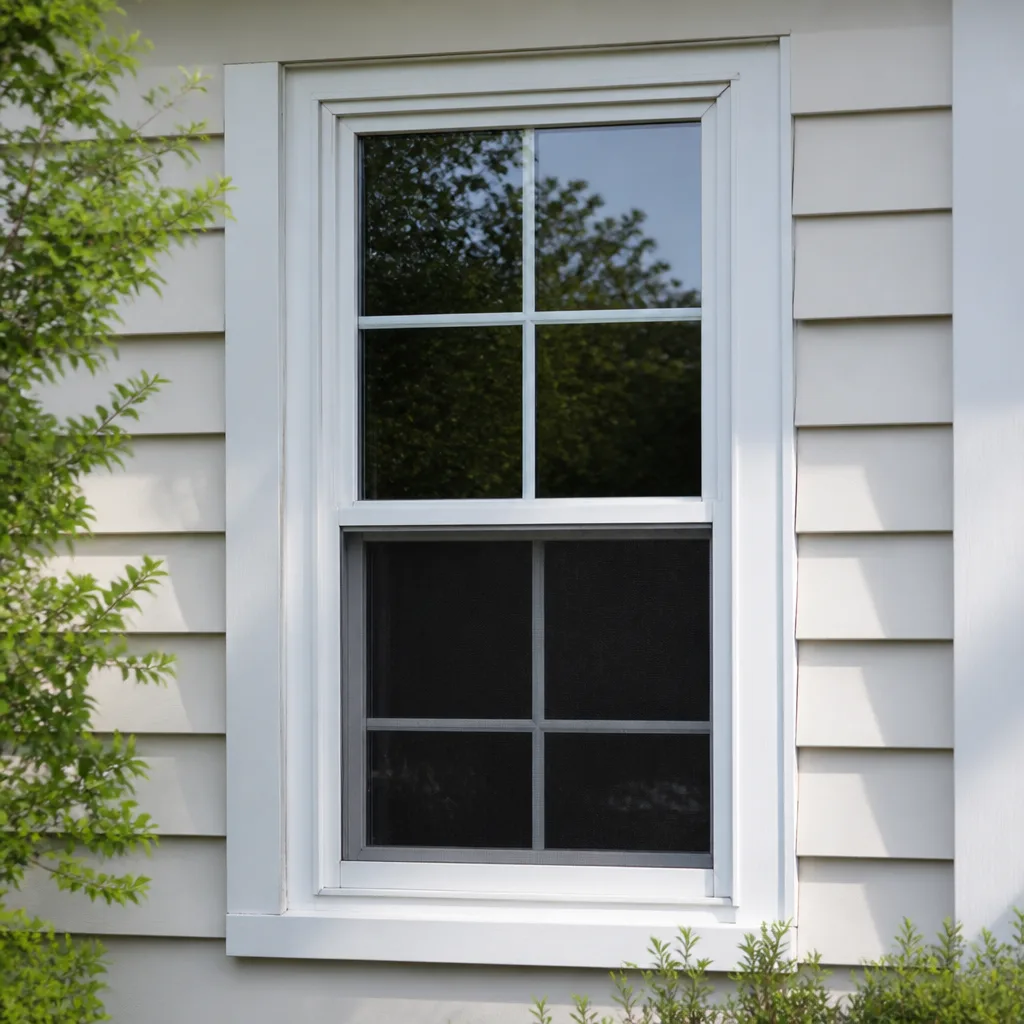 Single hung
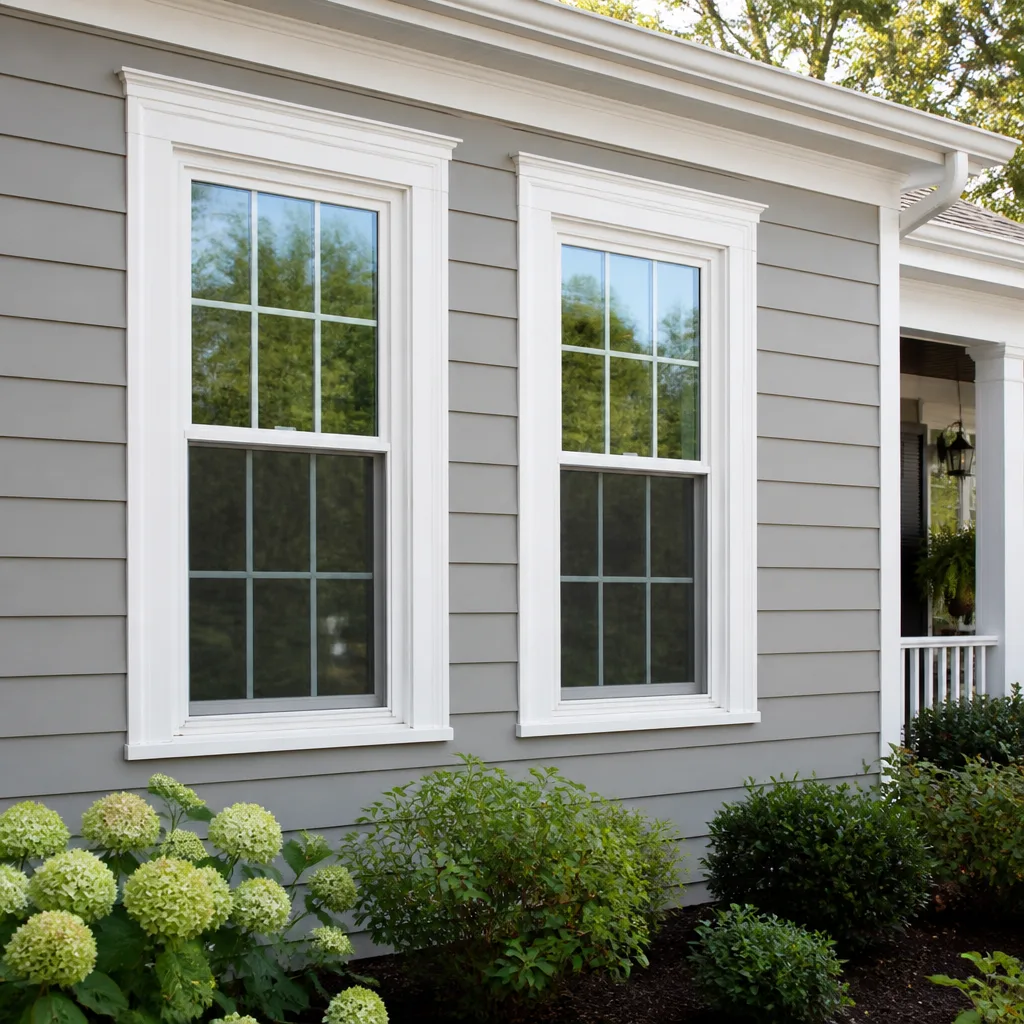 Double hung
 Horizontal roller
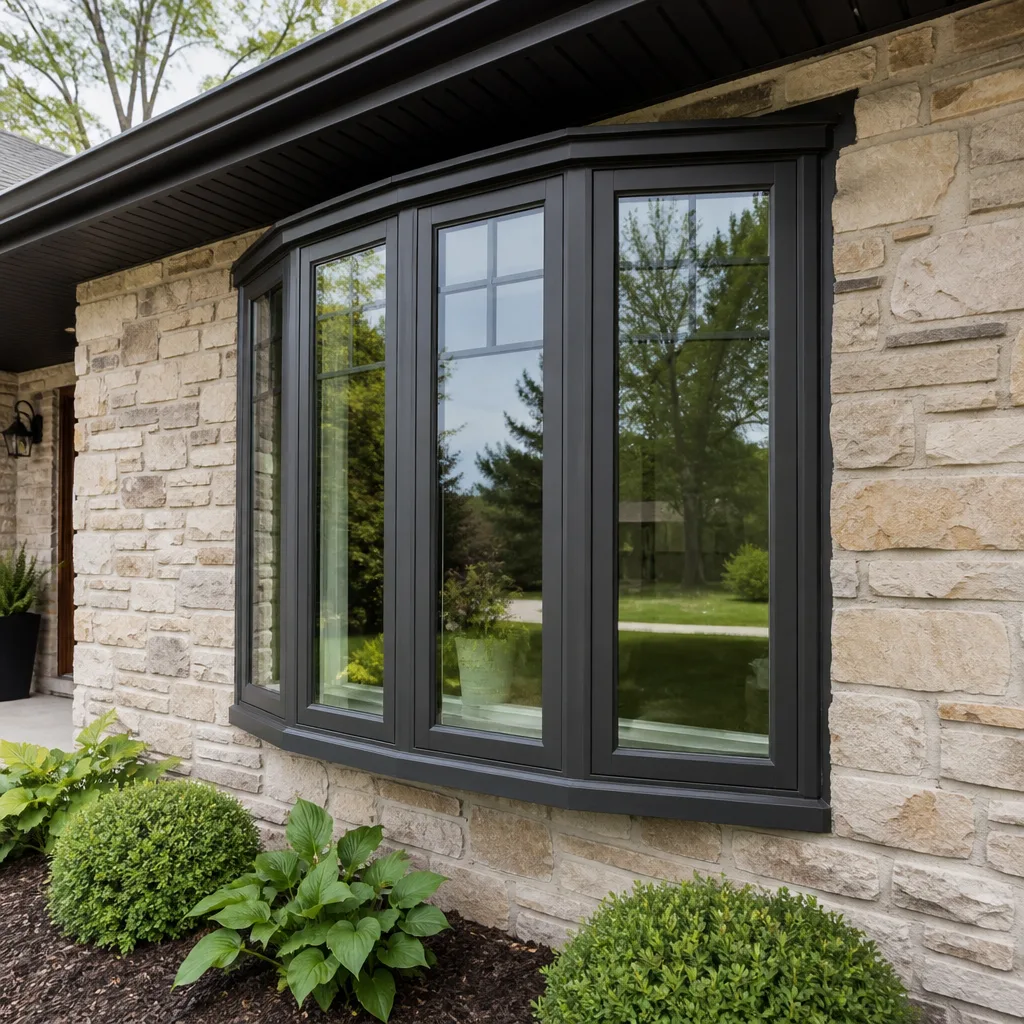 Casement
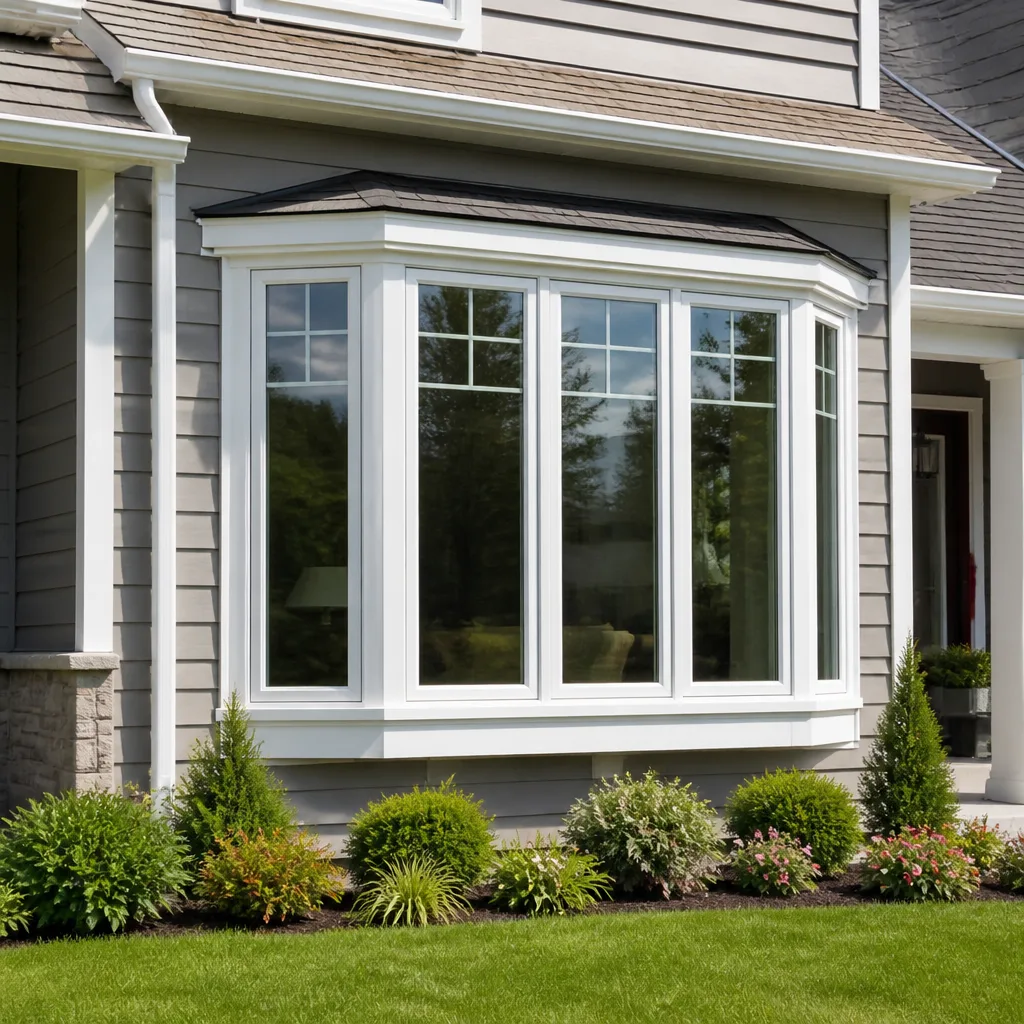 Bay & bow
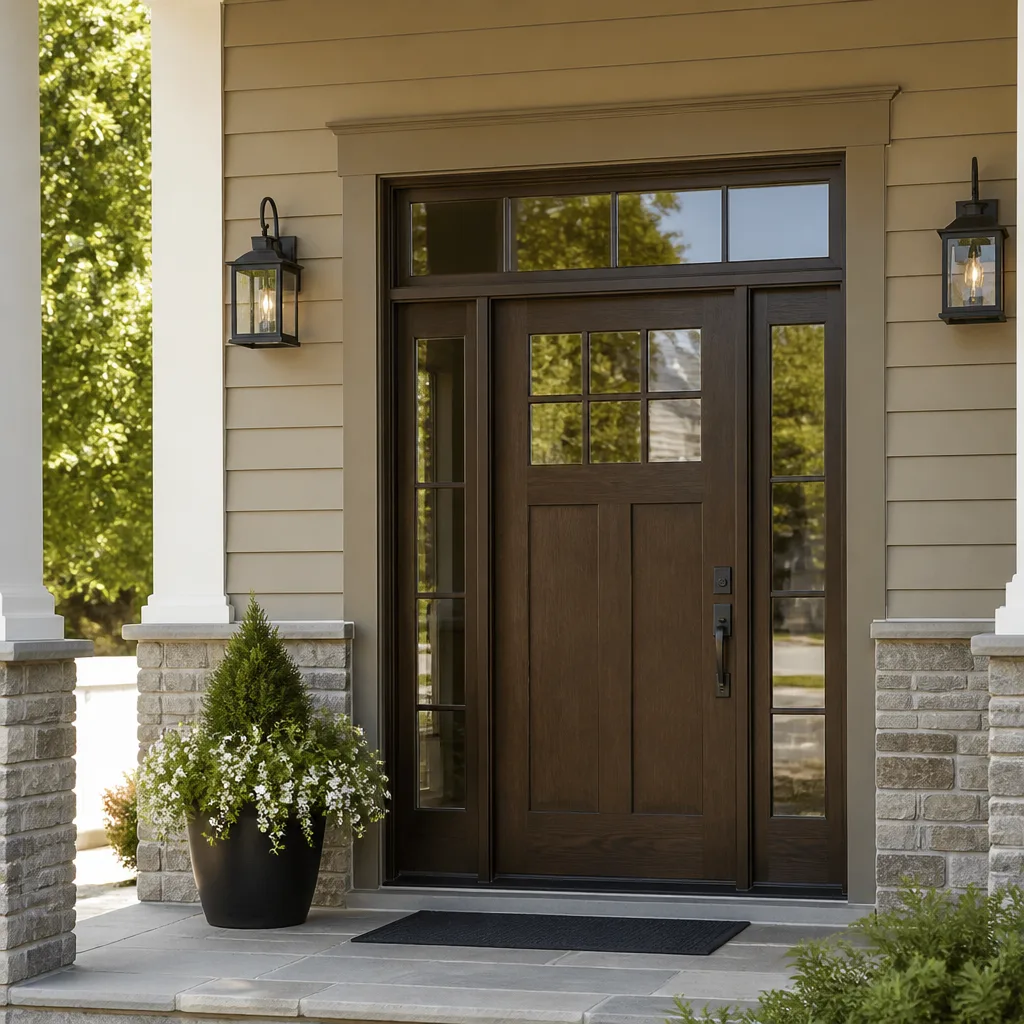 Entry doors
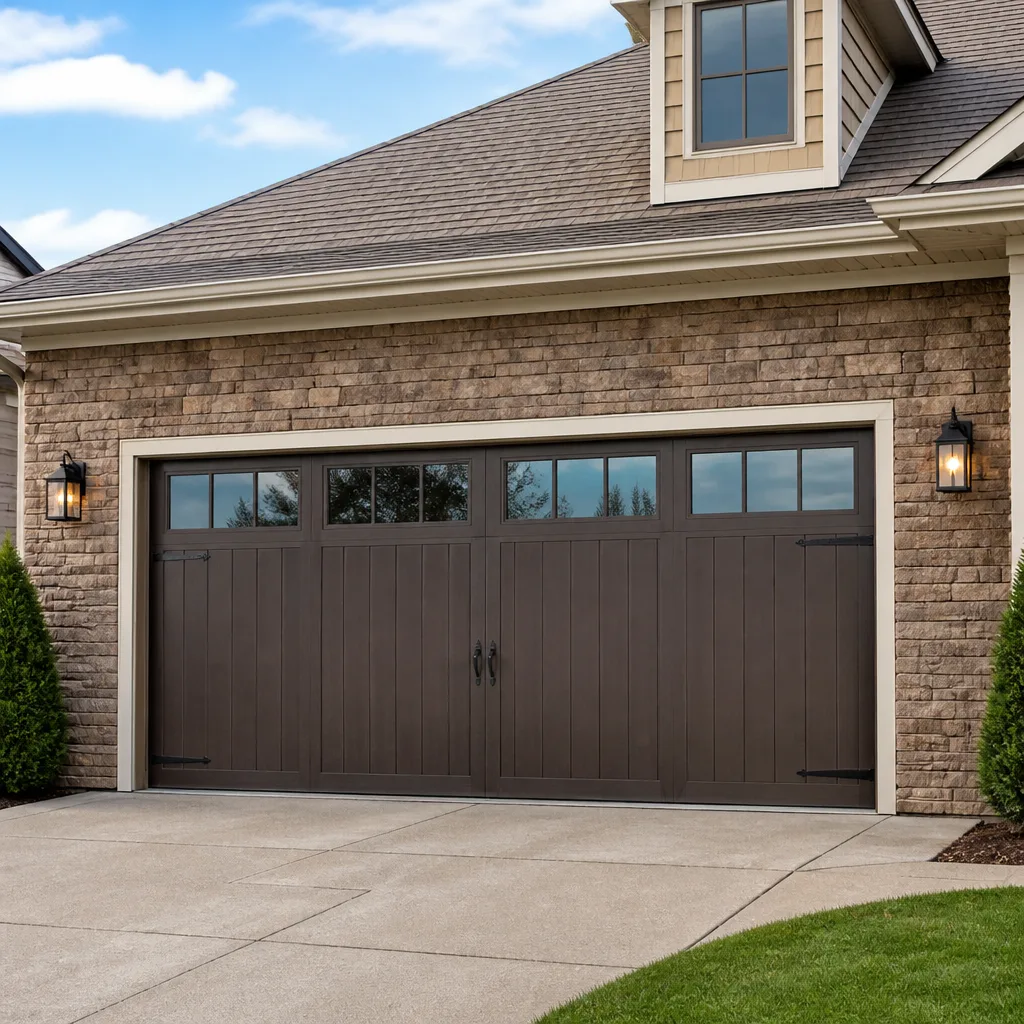 Impact garage doors
 PGT
 CGI
Free in-home measure and quote - PGT, CGI and CWS impact lines compared on your actual openings, style by style
Get your free estimateWindows & Doors Cost Breakdown: The Spring Valley Homeowner’s Reference for 2026
The national average for window replacement, usually quoted somewhere between $400 and $800 per opening, gets passed around Spring Valley kitchen tables all the time. It’s also wrong for this market. That figure leaves out the Clark County permit fee, the energy-code glazing requirement Nevada enforces on replacement units, and the fact that impact-rated glass, which most of this valley genuinely needs, costs meaningfully more than the standard residential glass those averages are built on. A real Spring Valley number is assembled from four separate parts: product, labor, permit, and the small stuff nobody quotes. This reference walks through each one with 2026 market ranges, explains why a builder-grade unit and a PGT or CGI unit behave differently over 15 years in this heat, and shows you how to read a bid closely enough to tell a lean number from a cut-corner one.
Quick Answer
A typical full-window replacement in Spring Valley runs roughly $650 to $1,400 per opening installed in 2026, with impact-rated units at the higher end and standard energy-code units toward the middle. Entry and patio door replacement generally lands between $1,200 and $4,500 depending on size, material, and whether it’s impact-rated. The biggest swing factors are glass type, story count, and how much stucco repair the job needs after the old units come out.
Styles & brands we work with
- Single hung
- Double hung
- Horizontal roller
- Casement
- Bay & bow
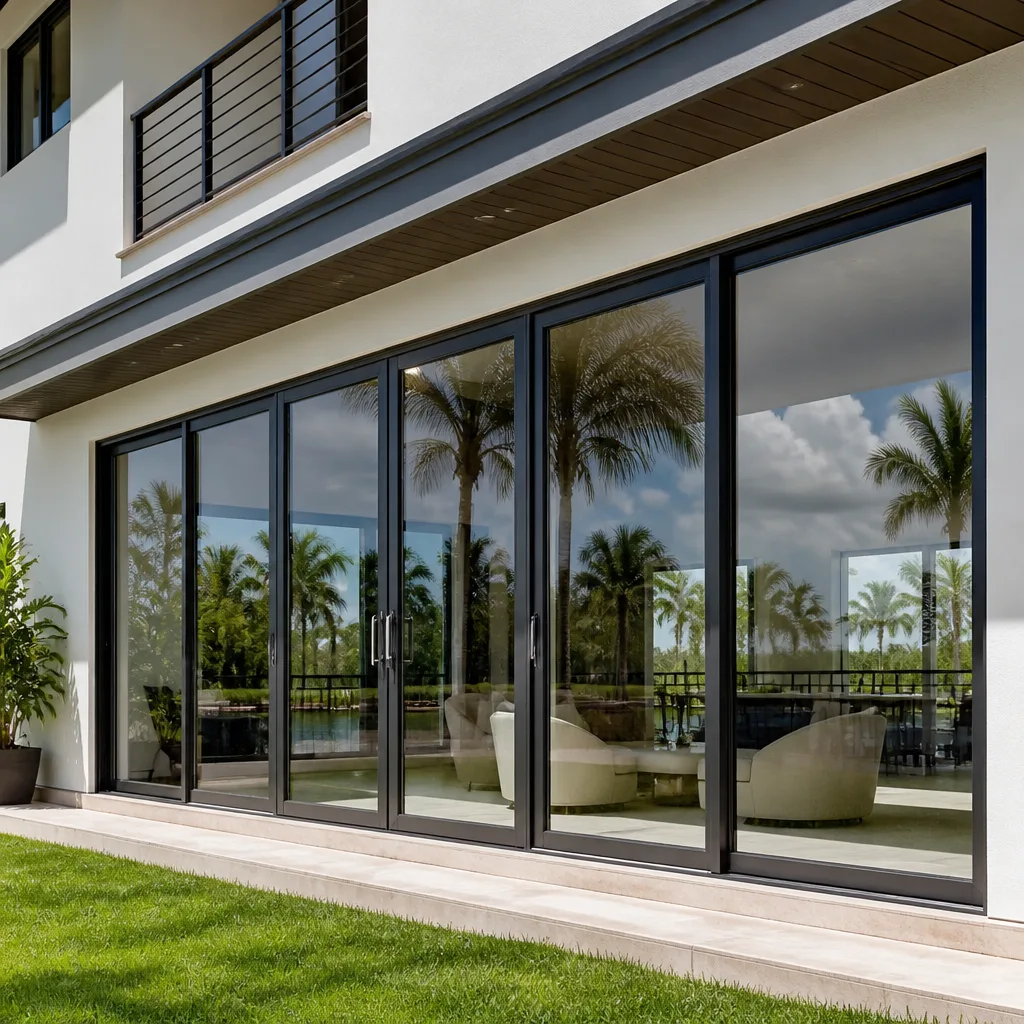
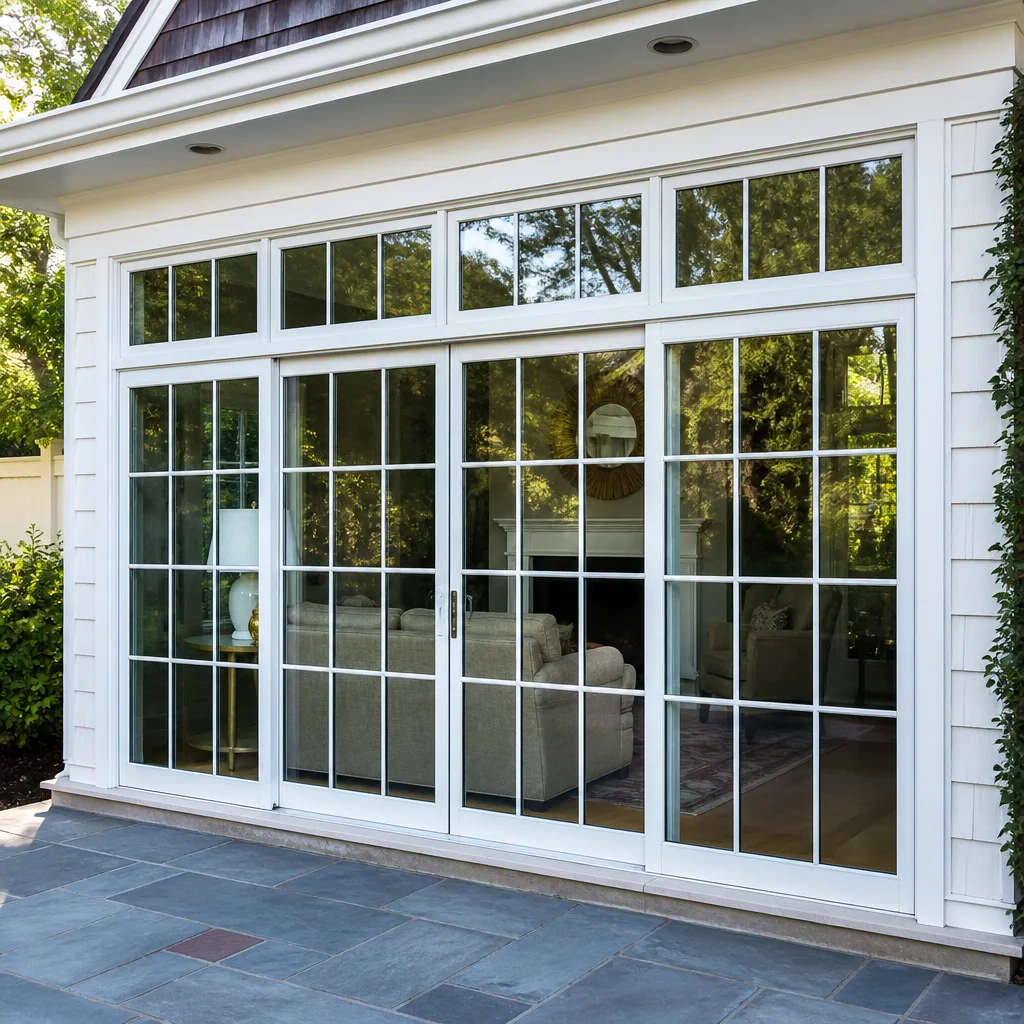
- Sliding glass doors
- Entry doors
- Impact garage doors
- PGT
- CGI
Table of Contents
- The Line-Item Breakdown: Where Your Money Actually Goes
- Brand Tier and Lifecycle Cost: Builder-Grade vs. PGT, CGI, and CWS
- How Home Size, Story Count, and Access Change Labor Costs in Spring Valley
- Door Costs: Entry, Patio, and Sliding Glass in This Market
- The Hidden Costs Quotes Omit: Stucco, Trim, and HOA Fees
- How to Read a Window Quote Like a Contractor
- Permits, Licensing, and Nevada Code Requirements
- Realistic Timelines and What Delays a Job
The Line-Item Breakdown: Where Your Money Actually Goes
Every legitimate window or door bid in Spring Valley should break into five buckets. When a quote arrives as one lump number, ask for the split. A contractor who can’t or won’t itemize is usually hiding margin somewhere, and you have no way to tell whether the product is solid or the permit got skipped.
Here’s what those buckets look like in the current Spring Valley market:
- Product (window unit): $280 to $950 per window. Standard energy-code vinyl sits at the low end; impact-rated units from brands like PGT or CGI push toward the top. Specialty shapes and oversize openings run higher.
- Product (door): $600 to $3,200. A basic Therma-Tru entry slab is toward the bottom; a full impact-rated sliding glass door with premium hardware is toward the top.
- Labor and installation: $180 to $420 per opening. This covers removal, disposal of the old unit, framing adjustments, flashing, sealing, and finish work. Second-story windows add $60 to $150 each for ladder and staging time.
- Permit fees: $150 to $500 for a typical residential window or door package, assessed by Clark County based on valuation and unit count.
- Incidentals: $50 to $200 per opening for stucco patching, interior trim matching, and cleanup supplies. This is the line most frequently underbid.
Add those up for a 12-window job with mid-tier impact glass and you’re looking at roughly $9,000 to $14,000 installed and permitted in Spring Valley, not the $4,800 to $9,600 the national average would suggest. That gap is the whole point of this guide.
Brand Tier and Lifecycle Cost: Builder-Grade vs. PGT, CGI, and CWS
The cheapest window on the quote sheet is rarely the cheapest window over time. Spring Valley’s summer heat, the UV load at our elevation, and the dust that comes with desert wind all punish marginal units faster than a milder climate would. A builder-grade window that costs $280 may need seal and hardware service within six or seven years. A PGT or CGI impact unit at $750 to $950 usually holds up past the 15-year mark with routine cleaning.
Run the math across 15 years for a single opening:
- Builder-grade: $280 product plus roughly $350 to $500 in cumulative service (seals, screens, hardware, one likely glass or balance repair) plus the higher cooling load from weaker solar performance. Call it $650 to $800 total.
- Premium impact-rated (PGT, CGI, CWS, or ES Windows): $750 to $950 product with minimal service, and a measurable drop in summer cooling cost from the low-E, argon-filled glazing.
Across a whole house, the premium tier often costs roughly the same over 15 years while giving you impact protection, better noise control, and none of the mid-life repair aggravation. In our experience, Spring Valley homeowners who start with builder-grade and come back for replacement within a decade almost always move up a tier the second time. Window replacement in Spring Valley is where that upgrade conversation usually starts, and it’s worth having before you sign a bid rather than after.
Brands like ECO Window Systems and Mr-Glass also fill specific slots in the market: ECO for energy-focused product at a moderate price, Mr-Glass for repair and glass-only situations where the frame is still sound. Matching the brand to the actual need saves real money.
How Home Size, Story Count, and Access Change Labor Costs in Spring Valley
Labor is where bids diverge most, because two contractors can look at the same Spring Valley house and see very different amounts of work. Several local factors shift the number substantially.
- Story count. Second-floor windows require ladders, staging, and often two technicians instead of one. Add $60 to $150 per opening on a two-story home. Some Spring Valley properties with steep or narrow side yards need scaffolding for upper windows, which adds $400 to $900 to the whole job.
- Window accessibility from inside. Furniture, blinds, and large built-ins all have to move. Homes where the installers can work unobstructed go faster; homes where they can’t will show it in the labor line.
- Stucco and exterior finish. Most Spring Valley homes are stucco-clad, and pulling a window out of a stucco wall means cutting back and patching. A clean, well-maintained stucco face is straightforward; a wall with old cracking or prior repairs is not.
- Frame depth and opening condition. Older homes sometimes have openings that are out of square or have rot behind the frame. That’s a real cost, and an honest contractor will flag it during the site visit rather than after the old unit is out.
- Travel and staging. Jobs at the edge of the valley offer less scheduling flexibility and more setup time, which a good contractor prices into the bid rather than absorbing and cutting elsewhere.
A single-story, 1,500-square-foot Spring Valley home with 10 accessible windows will run noticeably less per opening than a two-story 3,200-square-foot house with the same window count. If two bids differ by $2,000 on the same job, labor assumptions are usually the reason. Ask both contractors to walk you through their numbers.
Door Costs: Entry, Patio, and Sliding Glass in This Market
Door pricing in Spring Valley breaks into three categories, and the cost spread is wider than most homeowners expect.
- Entry doors: $1,200 to $3,500 installed. A Therma-Tru fiberglass or steel entry with standard hardware sits at the low end. Impact-rated glass inserts, premium hardware, and sidelights push toward the top. The full assembly cost includes the frame, threshold, weatherstripping, and finish.
- Sliding glass and patio doors: $2,200 to $4,500 installed for typical 6-foot or 8-foot openings. Impact-rated sliding glass is common in Spring Valley because the large glass area is the biggest vulnerable point in a wind event. Which is why most local homeowners go impact here even when they go standard on the smaller windows.
- Custom and specialty doors: $3,500 and up. Oversized sliders, French doors with sidelights, and pivot doors all sit in this range. The cost is dominated by product, not labor.
One thing to ask about on any patio door bid: is the screen included, and what kind? Standard fiberglass screen is cheap; pet-resistant or solar screen adds $80 to $250 per door. Also confirm the sliding track material and whether the door is bottom-rolling or top-hung. Bottom-rolling doors are more common in this market because the track sits on the threshold where debris can be cleaned out, but they need regular maintenance in dusty areas.
Impact-rated entry and patio doors have become the default for many Spring Valley families for a reason. They handle the summer monsoon winds that sweep the valley, and they dampen the road noise that comes with homes near the 215 or Tropicana. Impact windows in Spring Valley and impact doors go hand in hand, and pricing both together usually saves a bit on labor and permit fees.
The Hidden Costs Quotes Omit: Stucco, Trim, and HOA Fees
This is where Spring Valley homeowners get burned most often. The bid looks clean, the number feels right, and then the job starts and three new line items appear. Here’s what to ask about before signing.
- Stucco patching: $40 to $120 per opening in most cases. Some homes need matching texture that requires a specialist. Ask the contractor whether stucco repair is included and whether they warranty the color match.
- Interior trim matching: $20 to $80 per opening. New windows often don’t fit old trim exactly. Either you pay to match the existing profile or you accept a slightly different look. Get this in writing.
- HOA application fees: $50 to $350 depending on the community. Many Spring Valley neighborhoods have architectural review requirements, especially for door color, window grid pattern, and visible exterior changes. Confirm with your HOA before you order product.
- Lead-safe or asbestos testing: required for homes built before 1978 if the contractor disturbs painted surfaces. Testing runs $150 to $400. Most Spring Valley homes are newer, but it pays to check the build year.
- Disposal fees: $150 to $400 for the whole job to haul old windows and doors off. Confirm this is included, not billed separately.
- Furniture moving and floor protection: some contractors charge for it, some absorb it. Ask.
The cleanest bids we see in Spring Valley list these items explicitly, even when the answer is “included.” That way the homeowner knows what’s covered, and the contractor has committed to it. If a bid has no line for stucco patching or HOA considerations, ask. The good ones will have a clear answer.
How to Read a Window Quote Like a Contractor
A low number isn’t automatically a red flag, and a high number isn’t automatically fair. What separates them is how much of the job the quote actually covers. Use this checklist on every bid you receive.
- Is the product specified by brand and model? “Premium vinyl window” is not a specification. “PGT WinGuard series vinyl single-hung with Low-E 366 glass and argon fill” is. If the bid only lists a vague description, ask for the exact model.
- Is the permit fee itemized? A bid that doesn’t mention permits is either including them silently or not pulling them. In Nevada, window and door replacement generally requires a permit through Clark County, and skipping it can complicate a future sale.
- Is labor broken out from product? This is the single fastest way to spot a bid that underbid labor to win the job and will come back with change orders once the old windows are out.
- Is disposal included? Old windows and doors don’t disappear. If there’s no line for disposal, it’s coming later.
- Are stucco and trim addressed? Spring Valley homes are overwhelmingly stucco-clad. The bid should state what happens to the exterior finish and interior trim, in writing.
- Is the warranty specific? Product warranty and labor warranty are separate. Ask for both, in writing, with the covered terms.
- Is the price fixed or subject to change? A fixed price with no change orders is a serious commitment. A price that says “plus unexpected conditions” is not. Get the change-order policy in writing.
If you want a second set of eyes on a written estimate before you commit, that’s exactly the kind of thing we do at no charge. Window installation in Spring Valley is a big-ticket decision, and a second opinion on paper costs you nothing.
Permits, Licensing, and Nevada Code Requirements
Nevada requires window and door replacement work to be permitted through Clark County, and the contractor doing the work must hold an active Nevada State Contractors Board license in the appropriate classification. This isn’t optional. It’s the single biggest reason a homeowner should refuse a bid from anyone who offers to “skip the permit to save you money.” You don’t save money. You inherit a problem at resale, an insurance complication if a window leaks, and a fight with your HOA if the work was never reviewed.
Two other code points matter in Spring Valley specifically:
- Energy code glazing: Nevada’s energy code requires replacement windows to meet minimum U-factor and SHGC ratings. In this climate, that means low-E glass with solar control is essentially standard. Any quote that offers bare clear glass is not meeting code, and it will also cost you in summer cooling bills.
- Impact requirements: Clark County has impact-resistant glazing requirements in certain zones and for certain structure types. Your contractor should know which apply to your address. If they can’t answer that question clearly, that’s an important signal.
A legitimate Spring Valley contractor will pull the permit, schedule the inspection, and pass it as part of the job. That permit and inspection record is also one of the best paper trails you can hand a buyer when you eventually sell.
Realistic Timelines and What Delays a Job
Spring Valley window and door jobs move in predictable stages, and knowing them helps you plan around work and family life.
- Estimate and product selection: 3 to 10 days. Longer if you’re comparing multiple brands or waiting on HOA approval.
- Permit application and approval: 5 to 15 business days through Clark County, depending on scope and workload.
- Product lead time: 3 to 6 weeks for standard sizes from major brands, 6 to 10 weeks for custom sizes, custom colors, or premium impact units. Lead times stretch during peak season (spring and fall).
- Installation: 1 to 2 days for a typical house of 8 to 15 windows. Doors go in on the same schedule if they’re part of the same job. Stucco patching and finish work may add a day.
- Inspection: scheduled by the contractor within a few business days of completion.
Total timeline from signed contract to inspection passed: typically 5 to 10 weeks in Spring Valley for a standard job, longer for custom product. If a contractor quotes you a two-week turnaround on a full-house replacement with impact glass, ask where the product is coming from and how the permit clears that fast. There’s usually a catch in that number.
Common Mistakes to Avoid
- Comparing bids that cover different scopes. A $8,500 bid that excludes stucco repair and a $10,200 bid that includes it aren’t really $1,700 apart. Line up the scopes before you compare prices.
- Choosing product before you know the code requirement. Ordering clear glass to save money and then discovering you need low-E or impact glass gets expensive. Confirm the code requirement for your address first.
- Overlooking HOA approval until after the order. Spring Valley HOAs can and do reject window grid patterns, exterior door colors, and even frame profiles. Get the approval before the product is ordered, or you may be paying restocking fees.
- Skipping the permit to save a few hundred dollars. It’s the fastest way to turn a clean sale into a problem later. Never accept this offer.
- Ignoring the interior trim line on the bid. “Trim to match existing” is easier said than done in older homes, and the difference between “included” and “additional” matters. Get it in writing.
- Taking the lowest bid without asking why it’s low. Ask each contractor to walk you through every line. A fair bid will survive that conversation. A cheap bid usually won’t.
- Waiting until the old window is out to find out the frame is rotted. A thorough site visit before signing catches most of this. If the contractor measured from the driveway, that’s not a thorough site visit.
See the difference
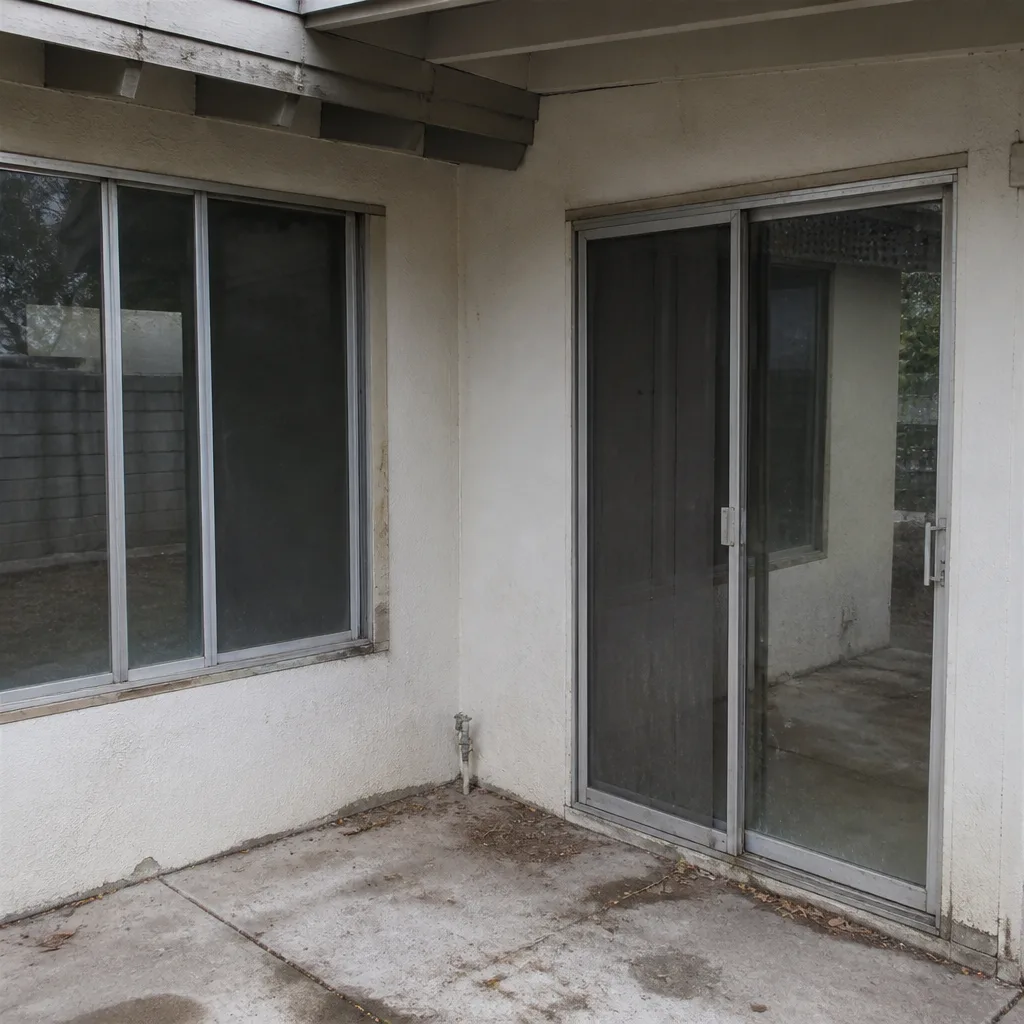 Before
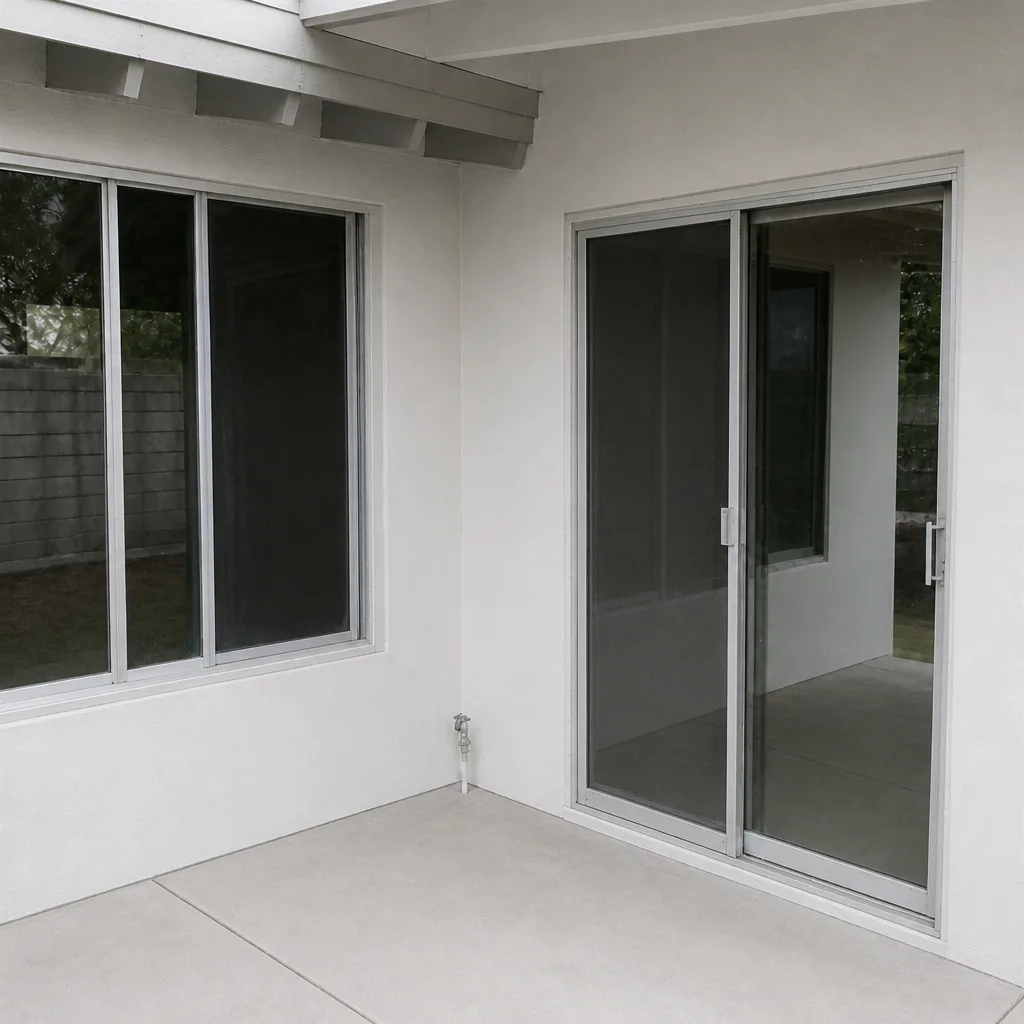 After
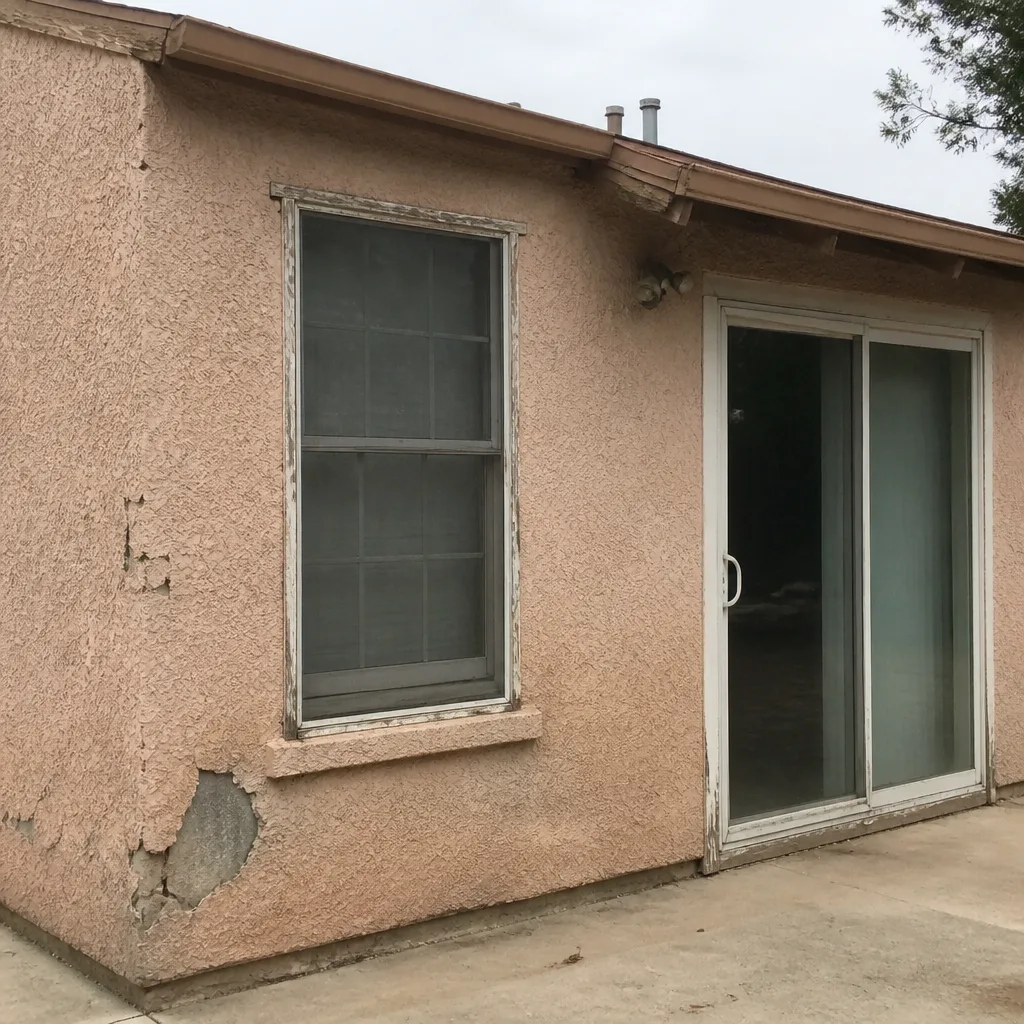 Before
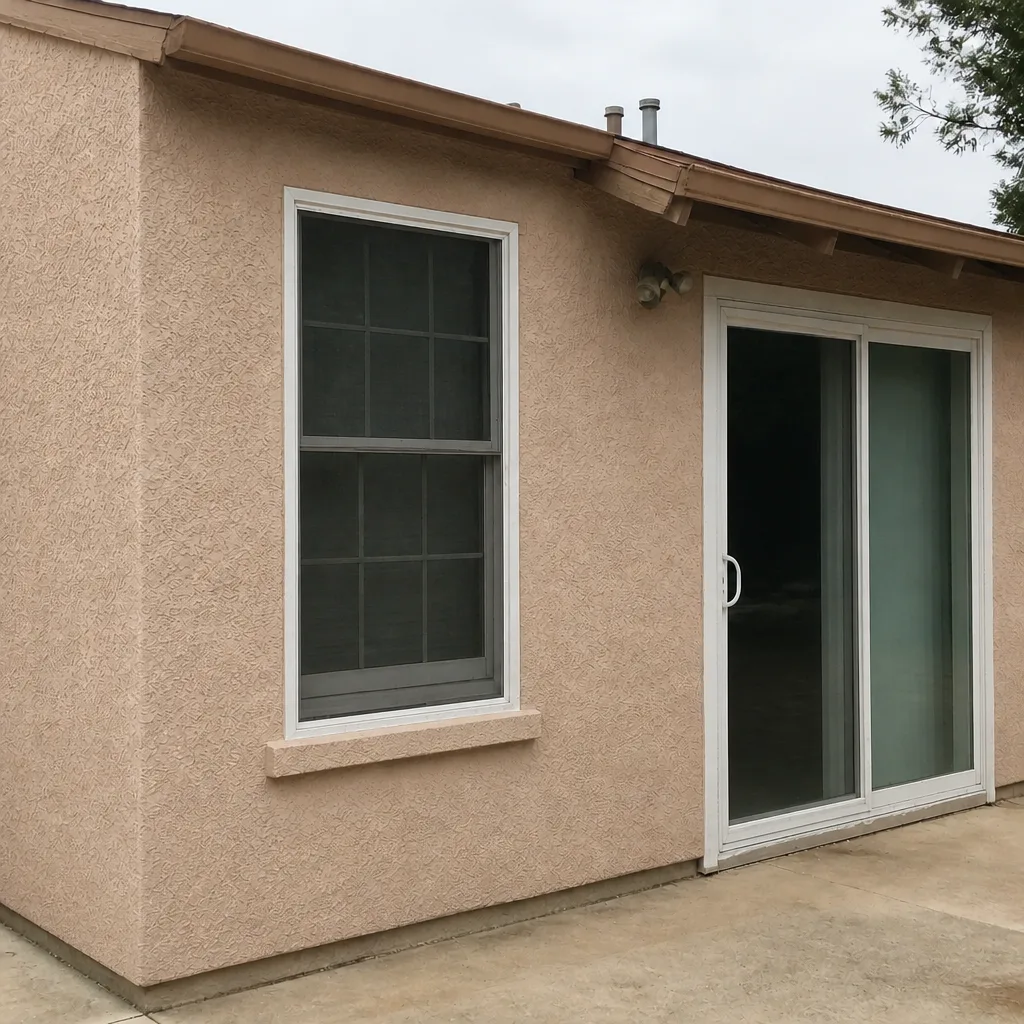 After
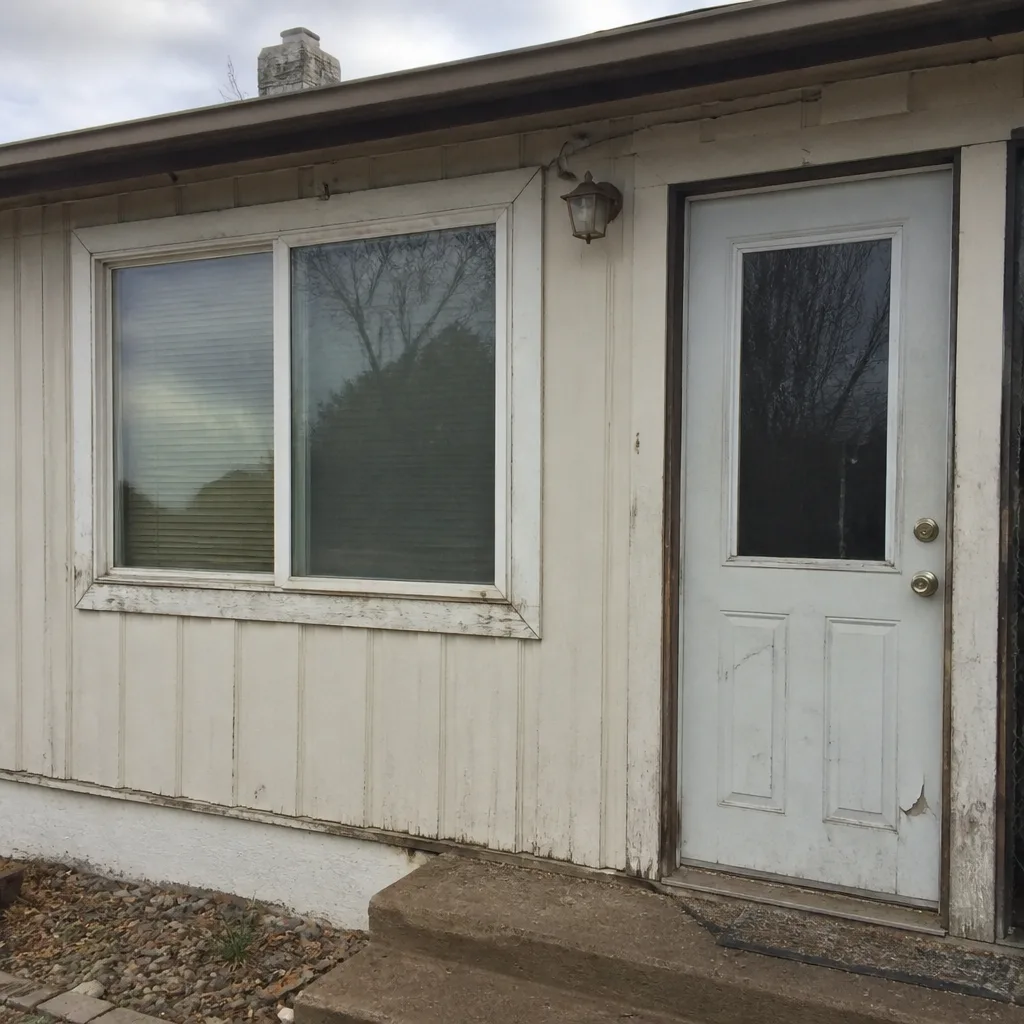 Before
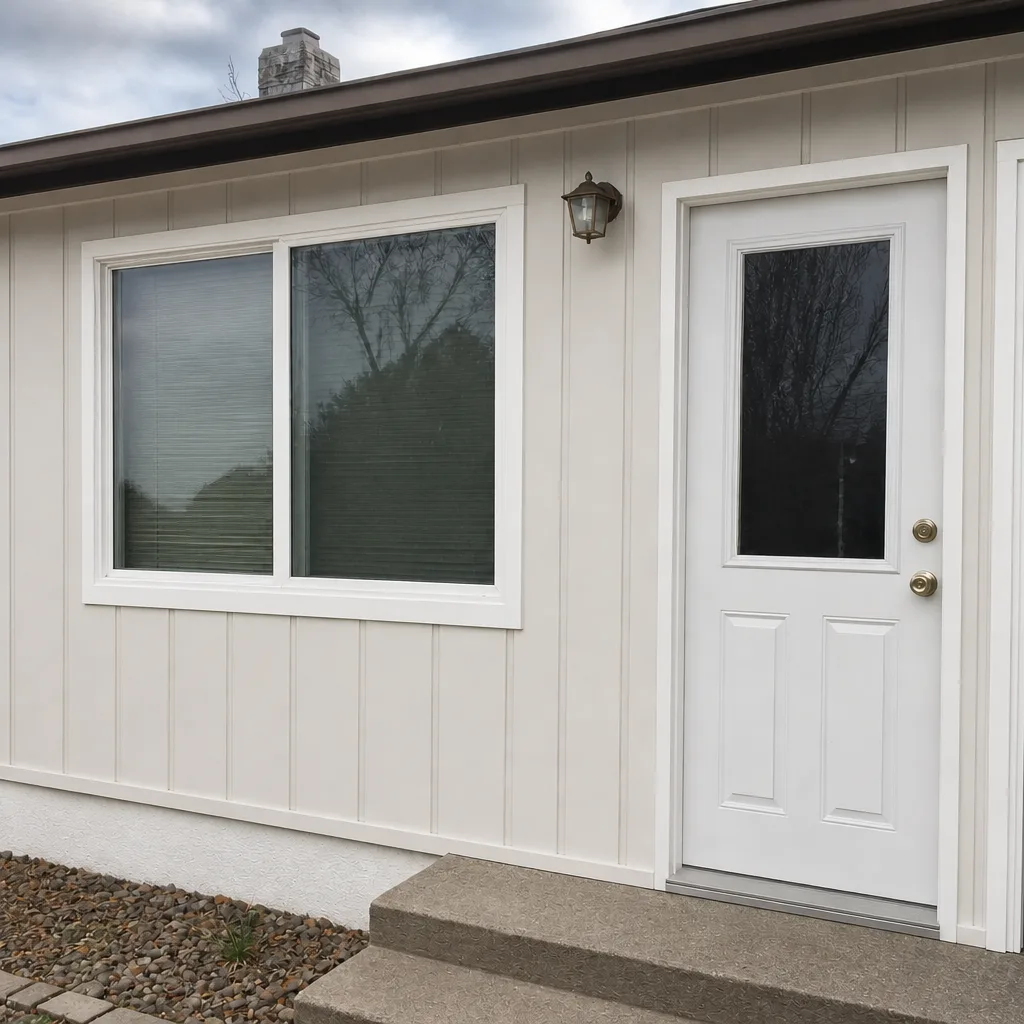 After
When to Call a Professional
Some situations call for a call rather than a project plan. A window that leaks after rain in Spring Valley, glass with a failed seal (fogging inside the panes), a door that no longer latches or swings past its strike plate, an impact unit that took a hit from monsoon debris, a stucco crack that tracks to a window corner, or a patio door that will not roll cleanly are all worth having a professional look at before the damage spreads. Impact-rated windows and doors that have absorbed a strike should be inspected rather than assumed fine. A licensed contractor can confirm whether the frame is still sound, whether the glass is still intact, and whether an insurance claim is worth filing. Winslow Windows & Doors Spring Valley offers free estimates in Spring Valley. Call (888) 282-3902 to schedule yours.
Frequently Asked Questions
Most Spring Valley window replacement jobs run $650 to $1,400 per opening installed, which includes product, labor, permit, and incidentals. A full-house job on a 12-window, single-story home is typically $9,000 to $14,000 with impact-rated glass, or $7,500 to $11,000 with standard energy-code units. Call (888) 282-3902 for an exact quote on your specific windows – estimates are free.
Yes. Clark County requires permits for window and door replacement, and the work must be done by a licensed Nevada contractor. Any bid that offers to skip the permit is offering to leave you with a code violation, an insurance gap, and a headache at resale. Ask to see the permit number before work starts. Call (888) 282-3902 if you’d like to understand what a permitted job should include.
Impact-rated windows typically run 25% to 45% more than standard energy-code glazing in this market, which adds roughly $120 to $280 per window on the product line. The premium buys peace of mind during monsoon season, better noise reduction, and often lower cooling bills from the heavier glass and better frame construction. For Spring Valley families near busy roads or on unprotected sides of the house, the trade-off is usually worth it. Call (888) 282-3902 for a side-by-side quote.
A typical 6-foot or 8-foot sliding glass door replacement in Spring Valley runs $2,200 to $4,500 installed, including the door, hardware, permit, and stucco work around the opening. Impact-rated sliders sit at the upper end of that range, and premium brands like Therma-Tru push higher. Call (888) 282-3902 to get a line-item quote for your specific opening.
It shouldn’t. A fair bid includes stucco patching, trim, disposal, and permit in the itemized total, and the price is fixed. If a contractor hands you a number “plus unexpected conditions,” ask them to spell out what those conditions are before you sign. On a Spring Valley stucco home, the only surprise worth allowing for is rot behind the frame, and a proper site visit should catch most of that. Call (888) 282-3902 for a fixed-price, line-item estimate.
From signed contract to inspection passed, most Spring Valley jobs run 5 to 10 weeks, with 1 to 2 weeks of that being installation and the rest being permits and product lead time. Custom sizes and premium brands take longer. If you’re quoted a two-week turnaround on a full-house impact glass job, ask where the product is coming from. Call (888) 282-3902 and we’ll walk you through a realistic schedule for your home.
The Bottom Line
Spring Valley pricing is not national pricing. The 2026 numbers that actually matter here are $650 to $1,400 per window installed, $1,200 to $4,500 per door, and a permit fee that has to be in the bid whether you asked about it or not. The premium tier (PGT, CGI, CWS, ES Windows) costs more upfront but usually closes the gap over 15 years while giving you impact protection this climate genuinely calls for. The cleanest way to compare bids is to itemize: product, labor, permit, disposal, incidentals. A bid that survives that breakdown is the one worth signing. Whichever direction you go, we’re glad to be your second set of eyes. Winslow Windows & Doors Spring Valley home is where you’ll find more on how we work, and our team has up to 15 years of experience pricing jobs exactly like yours.
If you’re ready to get real numbers for your home, call (888) 282-3902 for a free estimate. We’ll bring the itemized quote, we’ll handle the permit, and we’ll back the work the way we always have. We’re the one down the road.
Written by the team at Winslow Windows & Doors Spring Valley.