
Last updated November 18, 2026
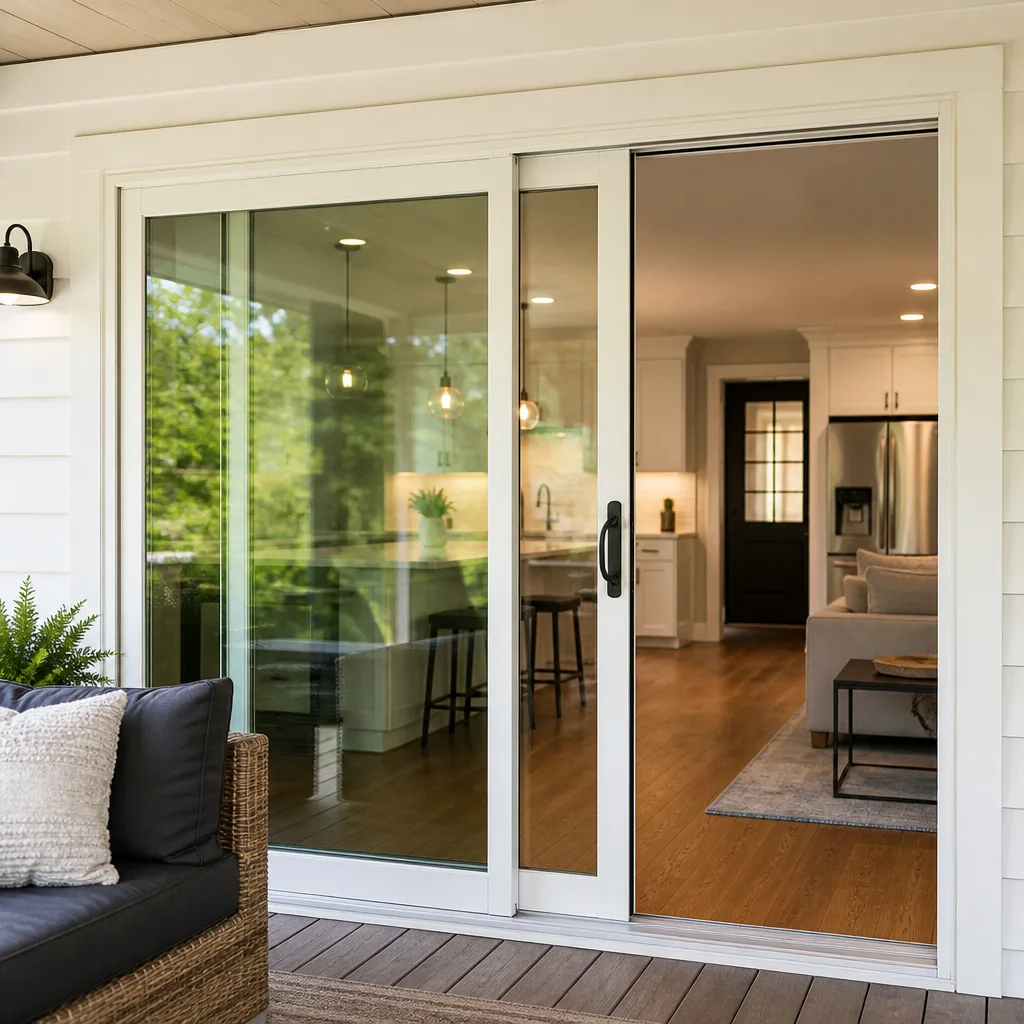 Sliding glass doors
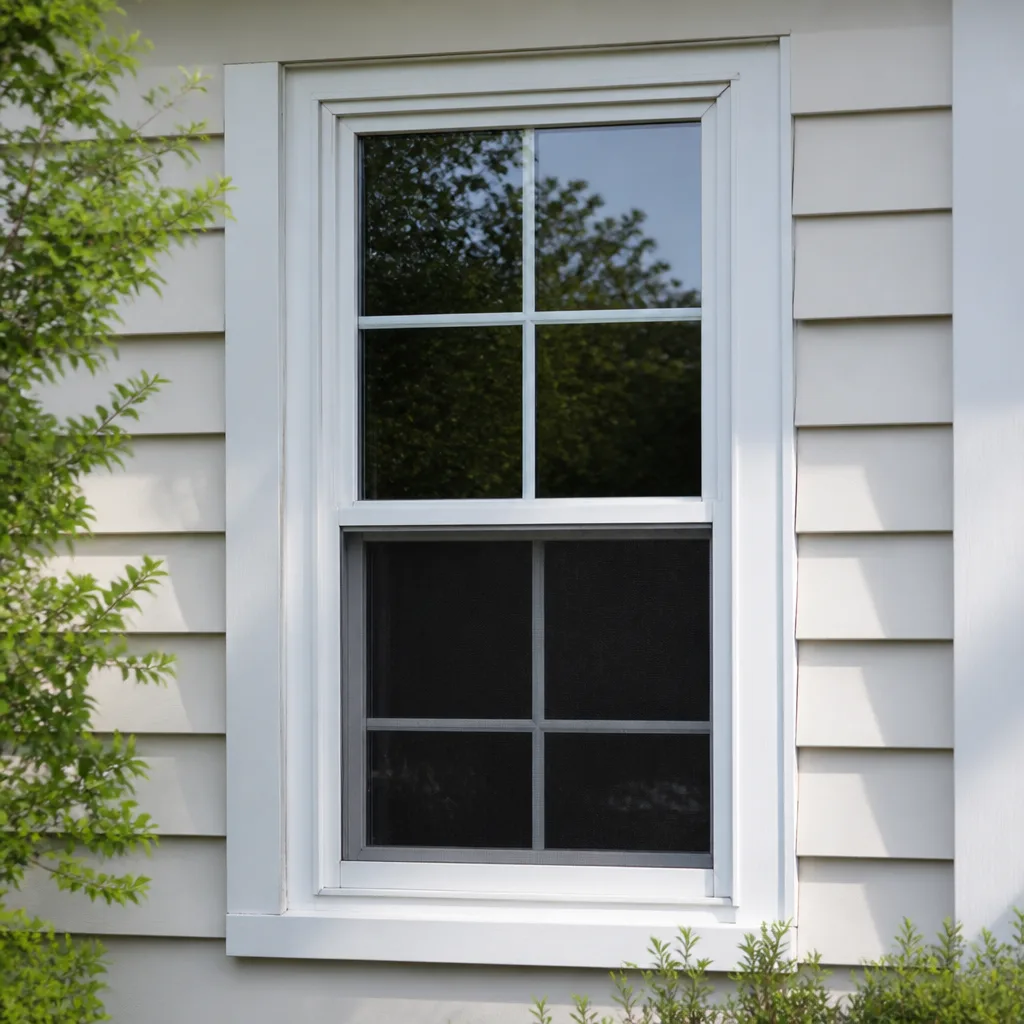 Single hung
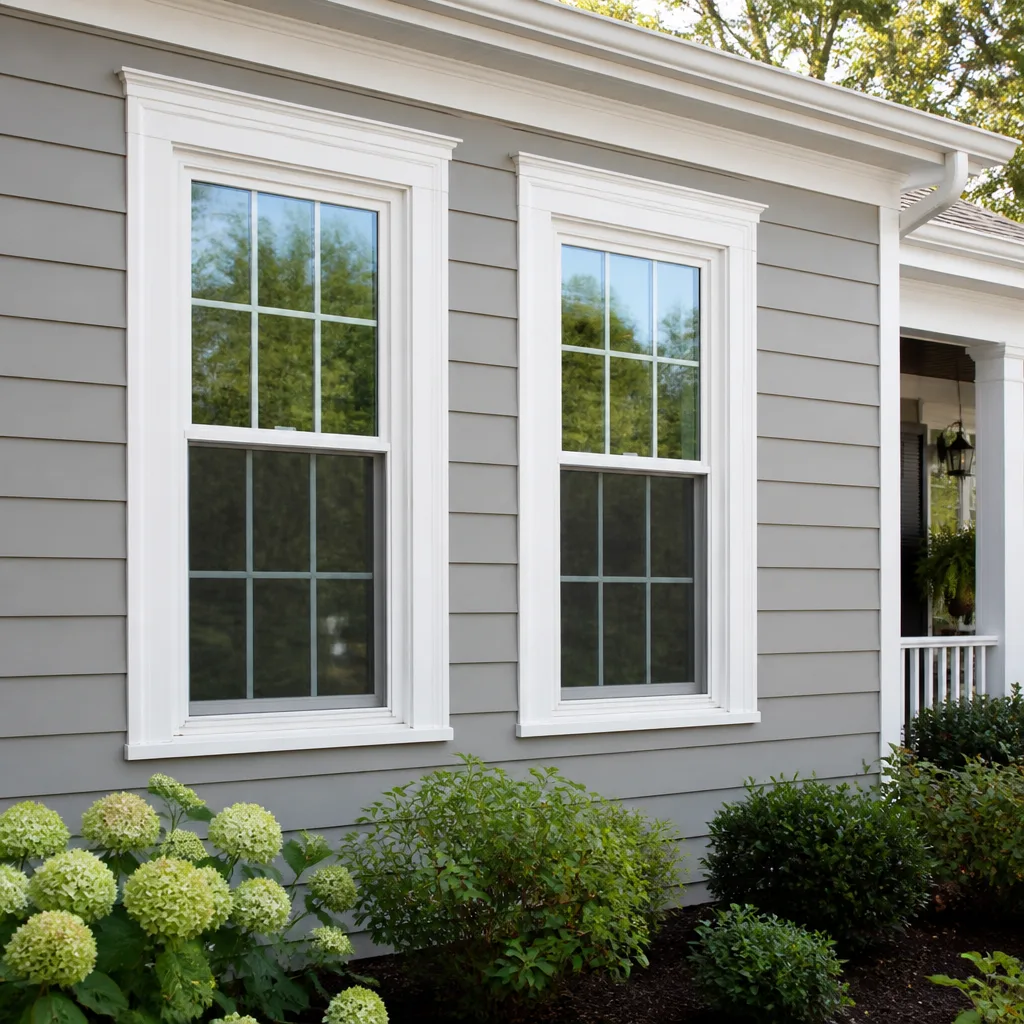 Double hung
 Horizontal roller
 Casement
 Bay & bow
 Entry doors
 Impact garage doors
 PGT
 CGI
Free in-home measure and quote - PGT, CGI and CWS impact lines compared on your actual openings, style by style
Get your free estimateSeasonal Windows & Doors Care for Spring Valley: Year-Round Homeowner’s Guide
Spring Valley’s “mild winter” is the hardest season on your door weatherstripping. Not summer. Not the July afternoons that hit 112°F. Winter. Between December and February, our nights drop into the low 40s and the afternoons climb back toward 70°F, sometimes within the same eight hours. That swing compresses and releases your door seals dozens of times a week, and by March, most of the homes we walk into around Rhodes Ranch and the Lakes have weatherstripping that’s flattened into a memory of itself. This guide maps window and door care to Spring Valley’s real climate calendar – four stress cycles, four sets of tasks, plus the annual jobs that need a fixed date or they never happen.
Quick Answer
Windows and doors in Spring Valley need inspection four times a year, not twice: post-winter seal and hardware checks in March, UV and heat inspections in June, weatherstripping and drainage prep in October, and interior condensation checks in January. The single most important task is the fall weatherstripping replacement – it determines how efficiently your home holds heat and cool air through all of the valley’s temperature swings. Most homeowners skip it because the damage isn’t visible until the energy bill arrives.
Styles & brands we work with
- Single hung
- Double hung
- Horizontal roller
- Casement
- Bay & bow
- Sliding glass doors
- Entry doors
- Impact garage doors
- PGT
- CGI
Table of Contents
- Why Spring Valley’s Seasons Don’t Follow the Calendar
- Spring (March – May): Post-Winter Inspection Season
- Summer (June – September): UV, Heat, and Frame Expansion
- Fall (October – November): The Prep Task Everyone Skips
- Winter (December – February): Condensation as a Warning Sign
- Annual Tasks That Need a Fixed Date
- Common Mistakes to Avoid
- When to Call a Professional
Why Spring Valley’s Seasons Don’t Follow the Calendar
Most window and door maintenance guides are written for the Midwest – caulk in October before the first freeze, wash screens in May after the pollen drops. That schedule is built around one hard season. Spring Valley runs on a completely different stress cycle. Our homes see roughly 4,500 to 5,000 heating degree days a year, compared to 6,500 in Chicago, but the pattern is inverted: mild winters with sharp daily swings, brutal summers with sustained highs, and two mild transitional months in between where nothing feels urgent and everything quietly degrades.
That means each season in Spring Valley attacks a different part of your window and door system. Spring attacks seals and hardware, weakened by winter’s thermal cycling. Summer attacks frames and finishes with UV and sustained expansion. Fall is the window where you actually have time to prepare. Winter exposes the interior side of what the other three seasons did to the system.
We’ve seen this pattern across Spring Valley – from the two-story homes off Rainbow Boulevard to the newer builds near the 215 Beltway. A door that lasted fifteen years in a climate with one hard season often wears out in ten here, because it absorbs four different fatigue patterns instead of two. Knowing which cycle is currently hitting your home is the whole point of this guide.
If you’re replacing windows rather than maintaining them, your timing matters too: the Spring Valley Winslow Windows & Doors Spring Valley home page covers our full service lineup, including the installation calendar we recommend for the valley’s actual climate.
Spring (March – May): Post-Winter Inspection Season
Spring’s job is to find what winter broke. February’s thermal cycling is the culprit. Every night dipping to 40°F and every afternoon climbing to 70°F forces weatherstripping, glazing compound, and window hardware to expand and contract with the aluminum or vinyl frame around them. By March, seals have compressed, screws have loosened, and hardware that worked in November feels stiff or frozen.
Here’s what to check in Spring Valley in spring, in order:
- Walk the door perimeter with a dollar bill. Close each exterior door on the bill and pull gently. If it slides out with no resistance, that section of weatherstripping has compressed below a seal. Do this at the latch side, the hinge side, and the bottom sweep.
- Open and close every window and door latch. Sliding windows in Spring Valley get stiff from cold nights. If a lock needs two hands, the hardware has seized or the frame has shifted.
- Look at the caulk line where the frame meets the stucco or siding. Hairline cracks at this seam are normal after winter, but anything wider than a credit card is letting air and water in.
- Check sliding door tracks for grit and debris. Winter wind in Spring Valley blows fine dust into the tracks. That dust abrades the rollers and creates the dragging you blame on the door.
- Test the weep holes at the bottom of every window frame. Pour a cup of water into the track. If it doesn’t drain out the exterior weep hole within a minute, the channel is blocked.
The single most common spring finding in Spring Valley homes is failed door sweeps. The rubber or brush strip at the bottom of the door takes the most direct hit from winter’s temperature cycle and often needs replacement by year three or four. It’s a small part with an outsized effect on your energy bill.
If the inspection finds damage to the frame, glass, or seal itself, that’s window replacement territory rather than maintenance. You can see how we handle that work at our Window Replacement in Spring Valley page. If the windows themselves are fine but you’re considering an upgrade to impact-rated glass before summer’s heat, our team installs PGT and ES Windows impact products and can walk you through what’s available.
Summer (June – September): UV, Heat, and Frame Expansion
Summer is when Spring Valley’s windows and doors take their sustained beating. June through September brings 90 to 105°F afternoons for weeks at a stretch, and unlike winter’s sharp swings, this is a slow, sustained push. Vinyl frames can expand up to 1/8 inch over an eight-foot span as they heat. Wood frames – and any window frame with a wood component – dry and shrink. Glazing compound, the putty holding older glass in place, hardens and cracks. Screens degrade faster here than in any other climate because UV exposure is relentless.
What to watch for during Spring Valley summers:
- Sticky or binding windows and doors. If a window that slid smoothly in April now sticks in July, the frame has expanded. That’s normal in the short term – but if it stays sticky after the evening cool, the frame has likely deformed permanently.
- Hairline cracks in glazing compound. Visible on older wood-framed windows. This is where moisture enters and where the glazing around the glass fails first.
- Warped screens. If a screen bows out from the frame or has visible sag, the mesh has lost tension from UV exposure. Screens in Spring Valley typically need replacement every 5 to 7 years, faster on south and west-facing walls.
- Discoloration or chalking on vinyl frames. Some chalking is normal, but if a frame yellows or chalks rapidly, that’s a sign of low-grade vinyl that will become brittle over time.
- Interior heat gain at windows. If a room heats up faster than it used to on the same summer days, the glass or the frame seal may have failed. That’s the point at which you should get a professional reading on the window itself.
Summer is also when Spring Valley homeowners start thinking about impact glass, which is where our Impact Windows in Spring Valley page comes in. Impact-rated products from CGI and ECO Window Systems are designed for exactly the kind of solar loading and heat cycling this valley delivers. If you’re still on single-pane or early-generation double-pane, summer is when the difference shows up on your power bill.
Fall (October – November): The Prep Task Everyone Skips
October and November in Spring Valley are the best two months of the year for outdoor work. That’s also why this is the season most homeowners skip the one task that matters most: replacing worn weatherstripping and re-sealing the exterior perimeter before the first cold snap.
Here’s the setup. Fall weatherstripping replacement is the task that determines how efficiently your home performs all winter. Winter’s temperature swings push every door and window through the compression cycle we described in the introduction. If your seals are already compressed going into winter, the cycle finishes them off. If they’re new, they hold through spring. The difference is roughly 15% to 25% on a typical Spring Valley winter heating bill, according to what homeowners report after replacing failed seals.
The fall checklist, numbered for the calendar:
- Replace door sweeps and weatherstripping at the jamb. Use a rubber bulb or magnetic seal rated for exterior use. Foam seals fail in one season here.
- Re-caulk the exterior perimeter of every window and door. Remove old caulk, clean the seam, apply exterior-grade silicone or polyurethane. This is the seam that lets in wind-driven rain during winter storms.
- Clean out window weep holes and door thresholds. Winter rains in Spring Valley are infrequent but heavy. Blocked weep holes mean water backs up into the frame instead of draining outside.
- Check and tighten every hinge. Cold nights loosen screws in door hinges. A loose hinge shifts the door and undoes the work you just did on the seal.
- Test the sliding glass door track and rollers. This is the last comfortable month to be repairing rolling hardware before winter. A dragging track now becomes a stuck door in January.
- Look at the threshold and the exterior slab transition. Water intrusion in this climate usually starts at the threshold, not the frame. If the threshold is loose or has visible gaps, reseal it before rain season.
If the glazing needs work or the doors need replacing outright, this is also the correct time to schedule an installation. New door installations with Therma-Tru products benefit from a fall install date because the sealant cures before the swings begin. If you’re replacing rather than repairing, our Window Installation in Spring Valley page explains how the process works and what to expect on timing.
Winter (December – February): Condensation as a Warning Sign
Winter is the diagnostic season in Spring Valley. The two things to watch are condensation and drafts – and unlike most of what homeowners hear online, in this climate, condensation on the interior glass is a warning sign, not normal behavior.
Here’s why. In a home with properly sealed, double-pane windows, the interior pane stays close to room temperature. The seal between the two panes does the work. If interior condensation forms on the glass on a cool winter morning in Spring Valley, it means the interior glass is significantly colder than the room – which usually means the seal between the panes has failed and the insulating gas has escaped. That’s not condensation on a window; that’s condensation on a broken window.
There are exceptions. Kitchens and bathrooms, where humidity is high and sustained, sometimes fog interior glass even on healthy windows. And on the very coldest nights – the low 30s, rare but real in Spring Valley – some condensation on the bottom edge of a single-pane window is expected. But persistent condensation on a double-pane window through the winter, especially fogging between the panes, is a failing seal.
Winter is also when drafts become obvious. If you feel cold air moving from the perimeter of any window or door on a windy January evening in Spring Valley, follow the draft back to its source. It’s usually one of three places: a failed weatherstripping seal, a loose window latch that doesn’t pull the sash tight, or a gap in the exterior caulk line. A lit stick of incense is the simplest diagnostic tool – the smoke trail bends toward the draft source.
If winter diagnostics point to failed seals on multiple windows, replacement is usually the right call rather than repair. That’s a conversation we’re happy to have – our team has looked at a lot of failed units across Spring Valley, and a fifteen-minute walkthrough often saves a homeowner an expensive round of failed seal replacements. Windows rated for impact and solar load, like those from Mr-Glass and ViewLux, hold up better through the winter cycle than standard builder-grade products.
Annual Tasks That Need a Fixed Date
Some tasks don’t belong to a season. They belong to the calendar. If you don’t put them on a specific date, they drift until something fails. We recommend assigning each of these to a fixed month – a recurring reminder on your phone, or better, a note taped inside the garage.
- Clean window tracks properly, twice a year. Not just a vacuum – use a brush attachment, a damp cloth, and a dry finish. Set the date for April and October.
- Lubricate hinges, window rollers, and sliding door mechanism. Silicone spray, not oil. Oil attracts dust, which in Spring Valley’s wind becomes a grinding paste. Set the date for March and September.
- Replace air filters on the same week you inspect your windows. The two systems interact during summer and winter. Dirty filters plus leaky seals equals higher bills. Set the date for the first weekend of each quarter.
- Wash screens. Warm water and a soft brush. Don’t scrub – the mesh is more fragile than it looks. Set the date for April and August.
- Test door locks and window locks for security. Every exterior opening. This one gets skipped because it’s boring. That’s exactly why you should put a date on it. Set the date for the first of October.
- Photograph the interior and exterior of every window and door. Sounds odd but it’s the single best diagnostic tool. A photo from last October compared to this October tells you exactly what has changed. Set the date for October 1.
If you want to combine the fall inspection with a professional eye, our team stops by for free estimates on any repair or replacement across Spring Valley. You can see what our technicians have found in homes just like yours – and what we recommend when the annual walkthrough surfaces real problems.
Common Mistakes to Avoid
- Caulking on a hot afternoon. Summer caulk jobs look fine at 4 p.m. and fail by fall because the caulk cures too fast to bond properly. In Spring Valley, do all exterior caulk work on a morning under 85°F.
- Treating condensation as normal. It isn’t, in this climate. Persistent interior condensation on double-pane windows in Spring Valley usually means the seal between the panes has failed, and cleaning the glass won’t fix it.
- Using oil on window hardware. Oil makes rollers and hinges collect the fine desert dust that blows through Spring Valley. That dust becomes an abrasive paste. Silicone spray only.
- Skipping fall weatherstripping because “it’s still warm.” October feels like an extension of summer here. It isn’t. The first cold snap arrives with the temperature swings that finish off compressed seals. Do the work in October, before you need it.
- Assuming a hard-to-open window means it’s worn out. In most Spring Valley homes, sticky windows in July are expanding frames that work fine again by October. Test in the cool of the morning before you spend money on replacement.
- Waiting for visible damage before inspecting. The most expensive window and door failures in Spring Valley are the ones that start invisible – failed seals, degraded glazing compound, wood rot underneath vinyl flashing. Visual inspection once a season catches them before they cost real money.
- Ignoring the screens. Screens are the cheapest part of the system to replace and the easiest to neglect. A torn screen becomes a hole for insects and for the fine wind-blown debris that starts clogging the tracks. Replace torn screens immediately.
When to Call a Professional
Call a professional when you find the same issue in more than one place. One sticky window can wait. Six of them is a sign that the installer used the wrong size or the wrong product for Spring Valley’s climate cycle, and no amount of homeowner maintenance will fix a fundamental installation problem. Call us when you see fogging between the panes, a door that won’t latch after weatherstripping replacement, or a frame that visibly moved from its original setting. Also call us if the seasonal inspection reveals cracked or compromised glass – a safety issue that deserves same-week attention.
Winslow Windows & Doors Spring Valley offers free estimates in Spring Valley – call (888) 282-3902. A live person answers, day or night. Our technicians are background-checked and experienced, and the local pro is licensed and insured as the state requires. If we walk your home and the windows are actually fine, we’ll tell you that. Free second opinions on written estimates are always available.
See the difference
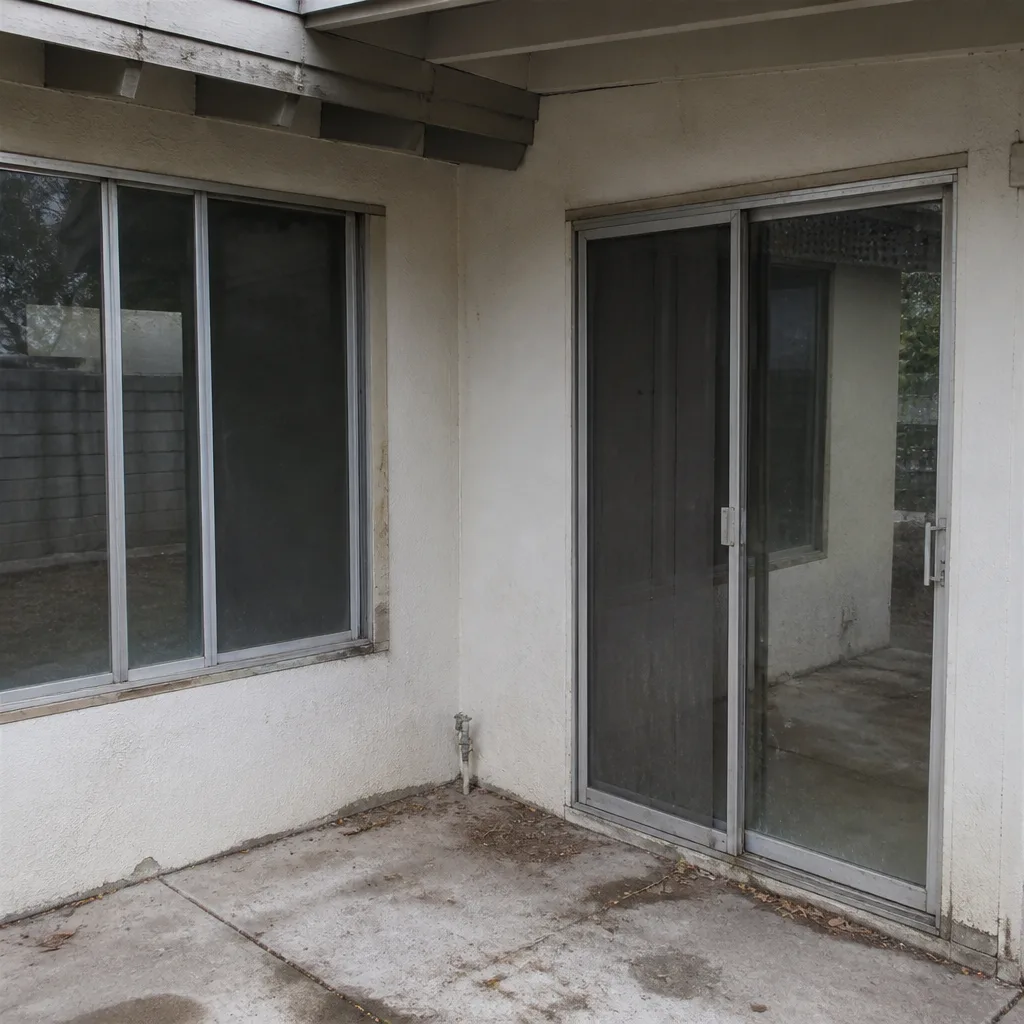 Before
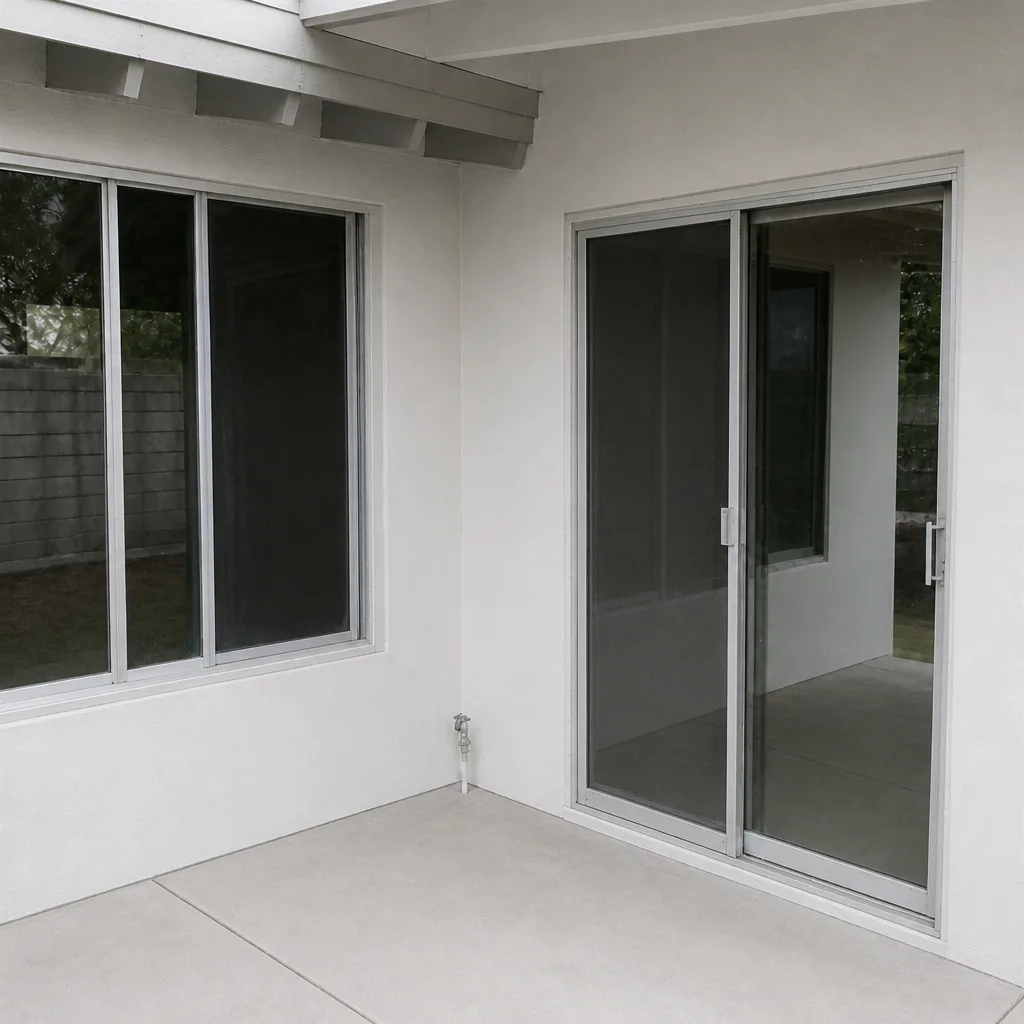 After
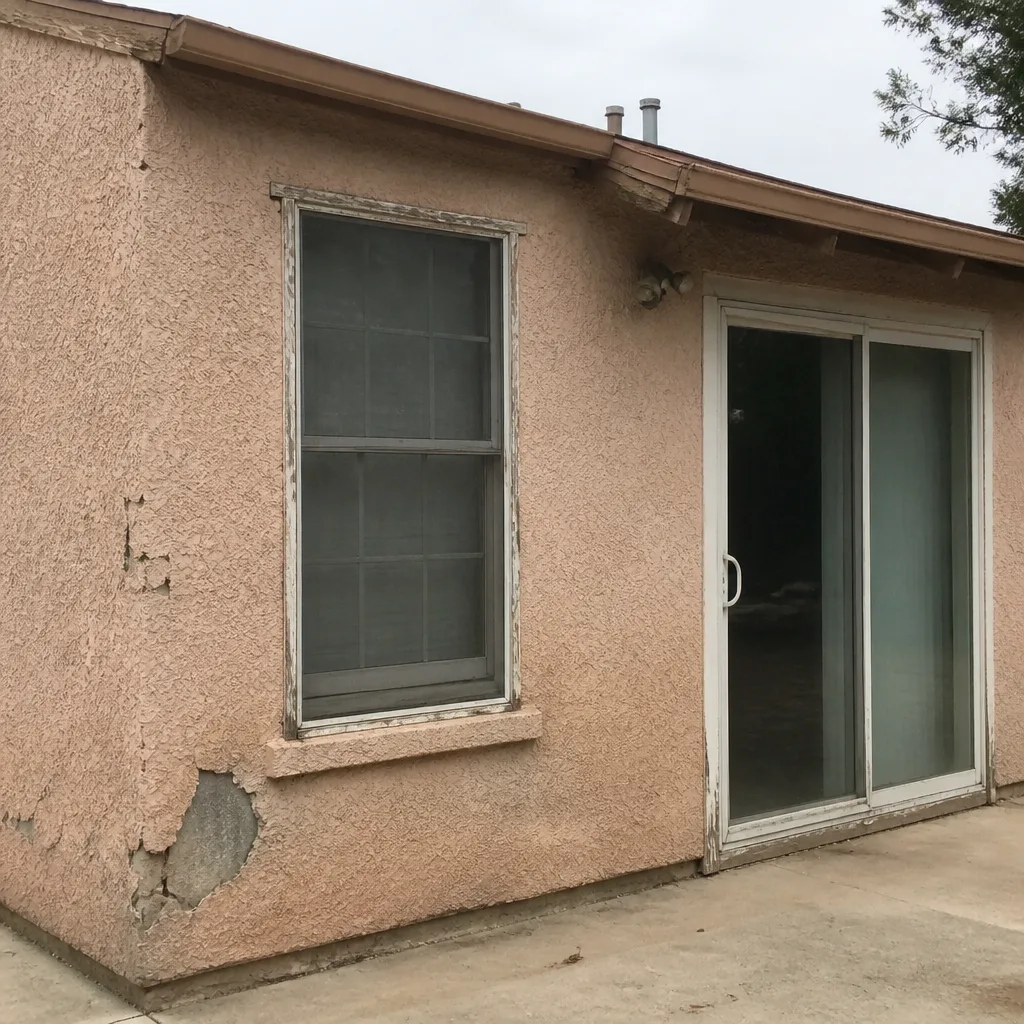 Before
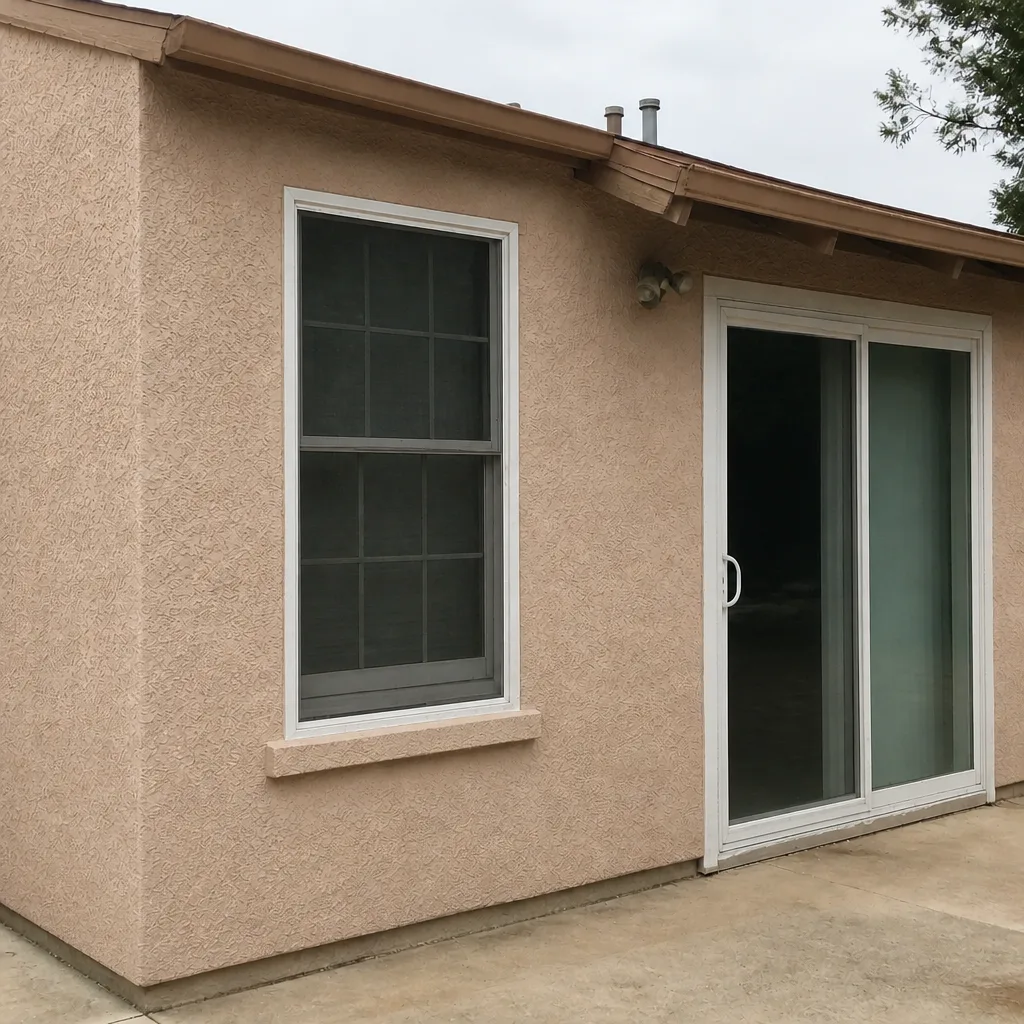 After
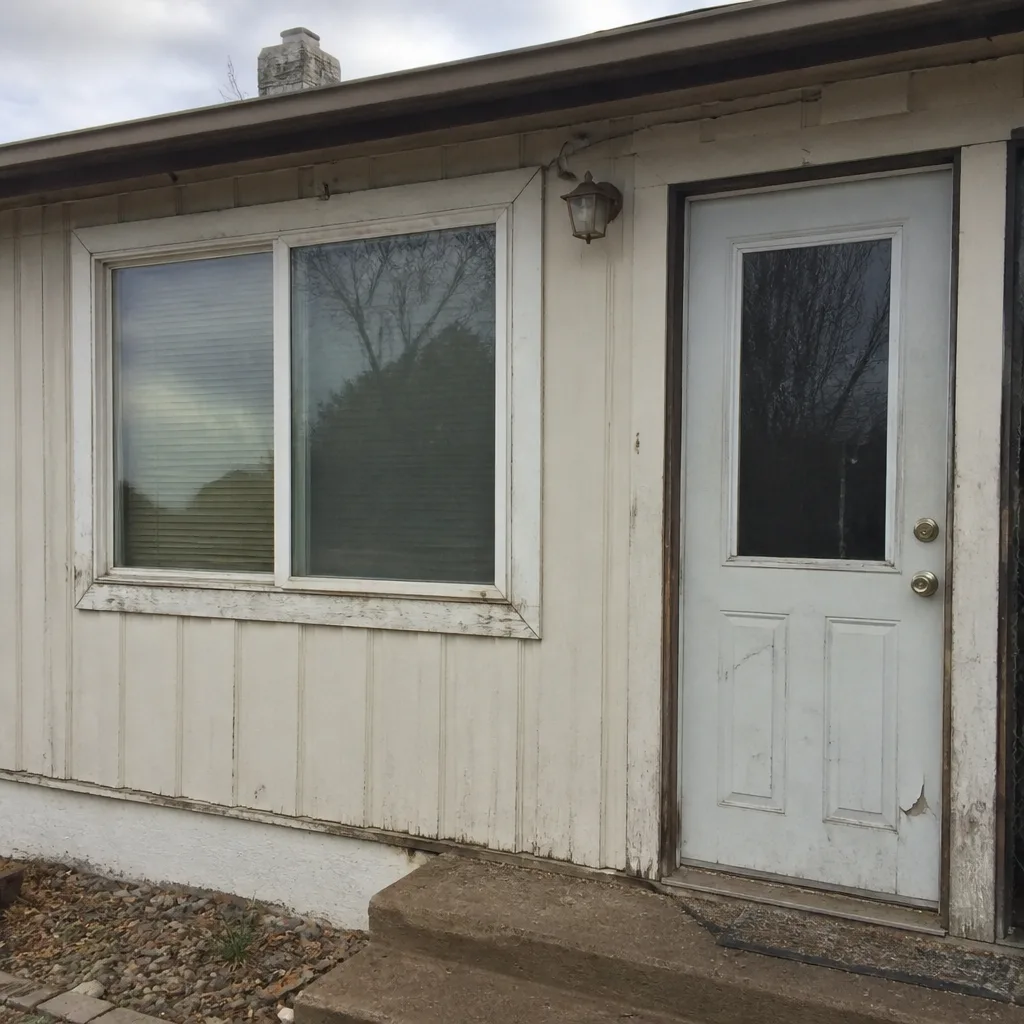 Before
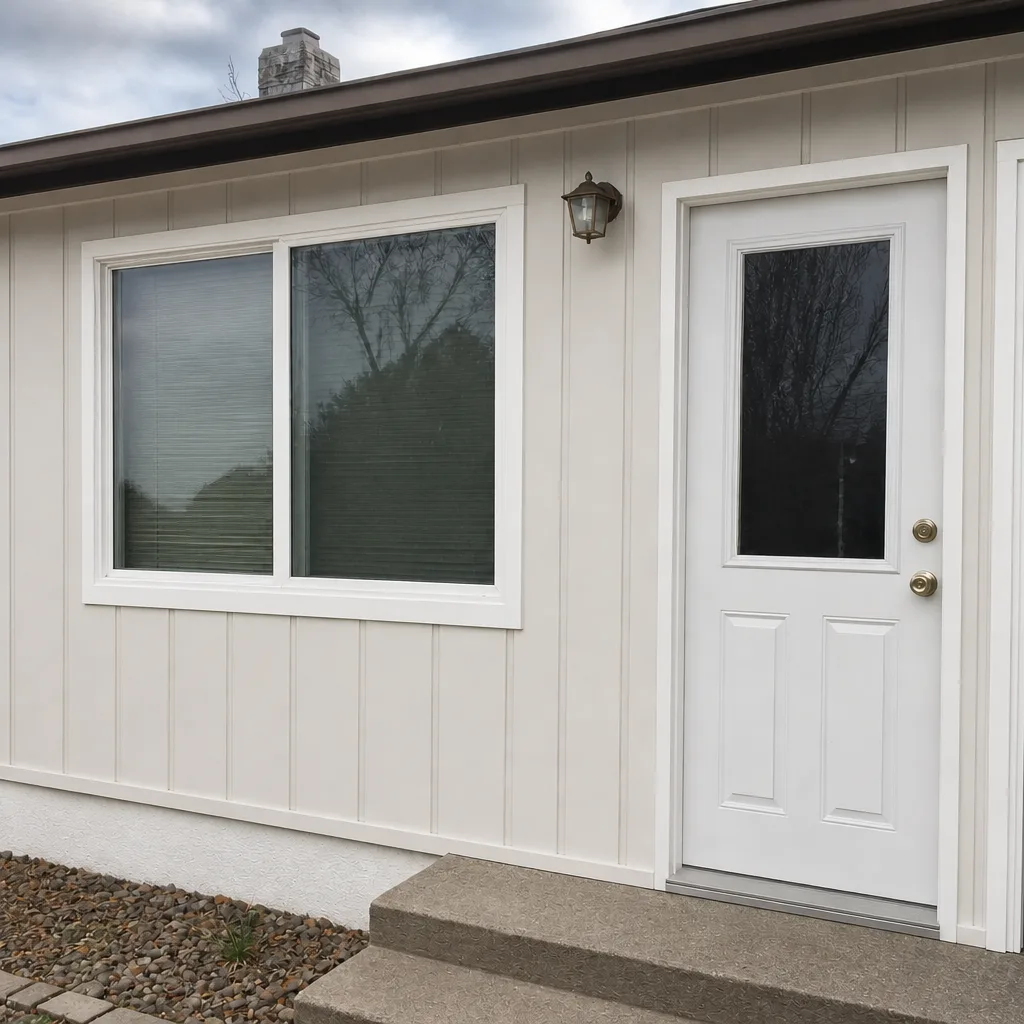 After
Frequently Asked Questions
Inspect at least four times a year – once at the start of each season. Spring Valley’s climate cycles more stress through a window and door system than a single-season climate does, so quarterly checks are the minimum. Each inspection should take 15 to 30 minutes for the average home.
No. Unless the window is in a kitchen or bathroom with high humidity, or it’s a very cold night and a single-pane window, persistent interior condensation in Spring Valley usually signals a failed seal between panes. If you see fogging between the glass or condensation forming on the interior side of a double-pane window on multiple mornings, get a professional inspection. Call (888) 282-3902 for a free estimate on replacement.
October and November are the best months for replacement in Spring Valley. Temperatures are mild, sealants cure correctly, and the work is finished before winter’s temperature swings begin. Spring is the second-best window – March through May – with summer installs also workable if your team starts early in the day for heat safety.
Routine maintenance is mostly your time plus $30 to $100 in materials – weatherstripping, caulk, sweeps, and silicone spray. Professional inspections and repair calls in Spring Valley typically run $150 to $400 depending on scope. Full window replacement ranges higher depending on product line and home size – our estimate for replacement is free and gives you an exact number before you commit.
Yes, on a home with visibly failed seals. Replacing worn weatherstripping on exterior doors and windows typically reduces winter heating bills by 10% to 20% in Spring Valley, based on reports from homeowners who have had the work done. On homes where the seals were already in good shape, the gain is smaller – but the seasonal inspection that reveals the state of your seals costs nothing.
Repair if one or two windows fail and the frames are otherwise sound. Replace if more than a third of the home’s windows show failed seals, fogging between panes, or visible frame deformation. In Spring Valley homes older than 15 to 20 years, we often find the original windows approaching end of service – at that point, replacement saves money over a decade of patch repairs. Call (888) 282-3902 to schedule your free estimate.
The Bottom Line
Spring Valley’s four stress cycles don’t match the calendar you’d expect. Winter damages weatherstripping through temperature swings, summer hits frames with sustained heat and UV, spring is when you find what winter broke, and fall is when you fix it. If you do only one thing from this guide, do the fall weatherstripping replacement – it’s the task that pays for itself in one season and it’s the one most Spring Valley homeowners skip. Put the four quarterly inspections on your phone’s calendar now. When something looks wrong, call us at (888) 282-3902 – a live person will pick up. We’re the one down the road.
Written by the team at Winslow Windows & Doors Spring Valley.