
Last updated November 18, 2026
 Impact garage doors
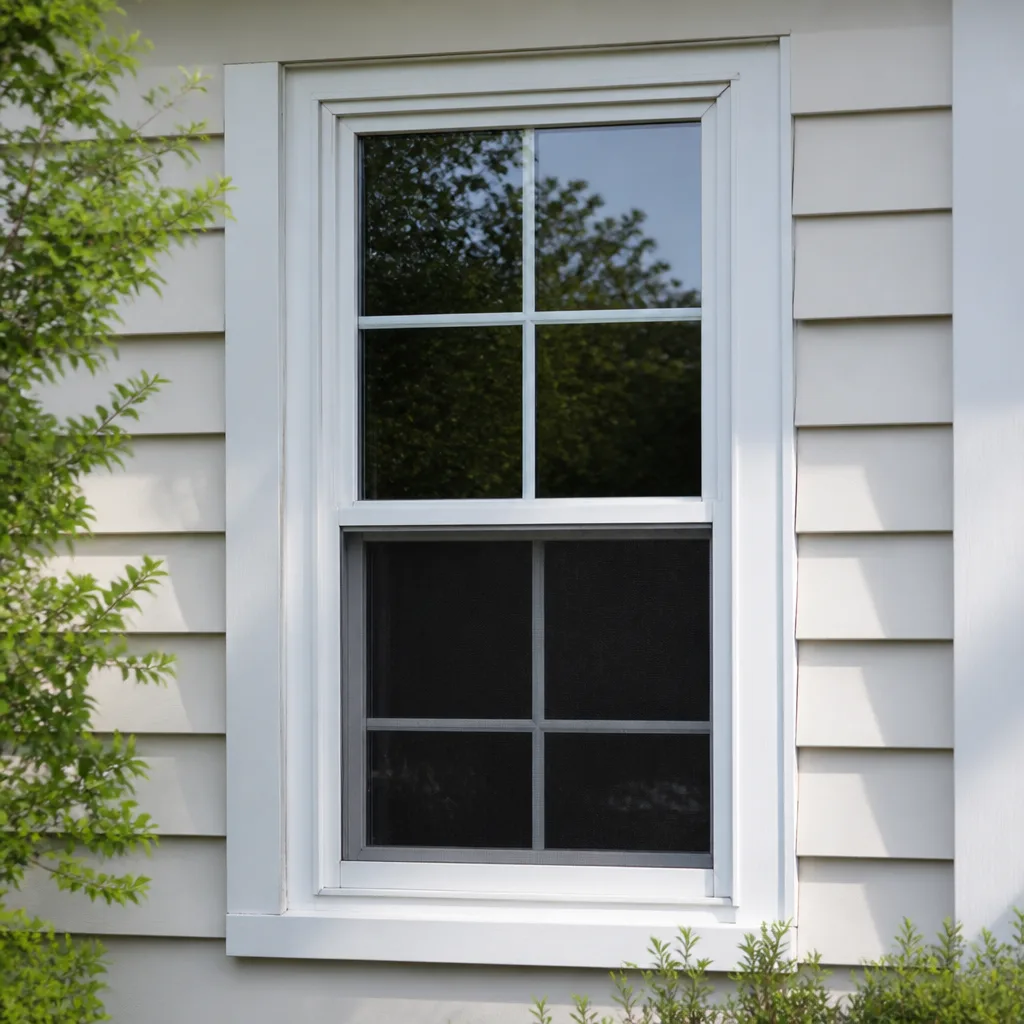 Single hung
 Double hung
 Horizontal roller
 Casement
 Bay & bow
 Sliding glass doors
 Entry doors
 PGT
 CGI
Free in-home measure and quote - PGT, CGI and CWS impact lines compared on your actual openings, style by style
Get your free estimateImpact Windows Maintenance Checklist for Spring Valley Homeowners
One thing that consistently voids impact window warranties in the Southwest: alkaline caliche dust working into the weep holes. Most Spring Valley homeowners have never heard of this, and neither has the customer service rep at the 1-800 number. Impact windows are sold as low-maintenance, and they mostly are. But “low” doesn’t mean “none,” and the specific failures that kill frames in the Mojave are barely mentioned in manufacturer literature. This guide covers the desert-specific maintenance intervals, the drainage details nobody checks, and the annual photo record that protects your warranty claim if one ever comes. You’ll finish knowing exactly what to inspect, when, and what to leave to a professional.
Quick Answer
In Spring Valley, impact windows need cleaning every 8 to 12 weeks rather than the twice-a-year schedule most manufacturer guides suggest, because caliche dust and summer UV combine to oxidize frames faster than in humid climates. Weep holes and drainage channels should be cleared quarterly, and hardware needs dry-climate lubrication every six months. Photograph every window annually to document condition and protect your warranty.
Styles & brands we work with
- Single hung
- Double hung
- Horizontal roller
- Casement
- Bay & bow
- Sliding glass doors
- Entry doors
- Impact garage doors
- PGT
- CGI
Table of Contents
- Why Desert Maintenance Differs From Standard Advice
- How Often Should You Clean Impact Windows in Spring Valley?
- Weep Holes and Drainage Channels: The Task Most Homeowners Skip
- Inspecting Glazing Compound and Sealant After a Desert Summer
- Hardware Lubrication for Dry-Climate Hinges and Locks
- What to Photograph and Document Every Year
- Single-Story and Two-Story Differences in Spring Valley
- The Spring Valley Seasonal Maintenance Calendar
- Common Mistakes to Avoid
- When to Call a Professional
- Frequently Asked Questions
- The Bottom Line
Why Desert Maintenance Differs From Standard Advice
Manufacturer care guides are written for a national audience, and a national audience includes Seattle, Miami, and Houston. The advice assumes moderate humidity, regular rainfall, and a climate where window frames get rinsed by weather several times a year. Spring Valley gets roughly four inches of rain annually. Your windows don’t get rinsed. Dust accumulates instead of washing away, and that changes everything about how often you need to intervene.
The other variable is UV. Spring Valley sits at higher elevation than the coastal cities most window literature is calibrated for, and the summer sun here hits harder. Vinyl frames, seals, and glazing compound all break down under sustained UV exposure, and that breakdown accelerates when dust sits on the surface. Dust holds heat. A frame caked in alkaline dust will run hotter than a clean one, and heat cycling is what cracks sealant. This is the core insight most homeowners miss: in Spring Valley, dirt isn’t just cosmetic. It’s a contributing cause of the failures you’d otherwise think were manufacturing defects.
Caliche dust makes it worse. The soil throughout the southwest valley is high in calcium carbonate, and wind-blown particles settle into every horizontal surface on a window frame. When moisture does arrive, even a light morning condensation, that dust turns slightly alkaline. Alkaline residue attacks certain sealant formulations and accelerates oxidation on metal hardware. It’s a slow process, but it’s the reason two identical windows in different climates show very different wear after five years.
If you’re still deciding on products, our guide to impact windows in Spring Valley covers how frame materials and finishes from brands like CGI and CWS hold up under these conditions. Once installed, the maintenance schedule here is what keeps them performing for the long haul.
How Often Should You Clean Impact Windows in Spring Valley?
Clean your impact windows every 8 to 12 weeks in Spring Valley, not the twice-yearly schedule most guides recommend. That’s the short answer. The longer answer is that frequency depends on which side of the valley you’re on and how close you sit to open desert or construction activity.
Homes on the western edge of Spring Valley, near the open land past Fort Apache, catch more wind-driven dust than homes tucked into established subdivisions off Flamingo or Tropicana. If you’re near a lot that’s being graded, expect to clean monthly until the dust settles. Homes near the 215 beltway get road film on top of atmospheric dust, which needs a different approach than plain dust.
What to use and what to avoid
Glass cleaner and a microfiber cloth handle most of it. Avoid abrasive pads on the glass itself, even on tempered impact glass, and skip ammonia-based cleaners if your windows carry any aftermarket film. For frames, mild soap and water is enough. Don’t use a pressure washer on the frame joints or near the weep holes. Forced water drives dust into the drainage channels instead of flushing it out, and that’s exactly the failure we’re trying to prevent.
Why 110°F heat changes the cleaning window
Don’t clean glass in direct afternoon sun when temperatures are pushing triple digits. The glass surface can be 40 to 50 degrees hotter than ambient air, and cold water on a hot pane creates thermal stress. Early morning is the right time. This matters more in Spring Valley than in most places because the heat cycles are so extreme and so repetitive across June, July, and August.
On the frame side, watch for chalky residue on vinyl. That white powder is UV oxidation, and it shows up faster on south- and west-facing windows. A gentle wipe with a soft cloth and mild cleaner removes the chalk before it hardens, but once oxidation gets deep into the vinyl, it’s permanent. Catching it early is worth the extra cleaning cycle.
Weep Holes and Drainage Channels: The Task Most Homeowners Skip
This is the maintenance item that causes the most warranty disputes and the most frame rot, and almost nobody does it. Weep holes are the small openings at the bottom of the window frame that let water drain out. Drainage channels are the grooves behind them. In a wet climate, rain flushes them regularly. In Spring Valley, dust fills them.
Here’s the sequence that causes damage. Dust and caliche particles settle into the weep holes over months. A summer monsoon storm or a winter rain arrives. The water needs somewhere to go, but the holes are clogged. Water backs up into the frame, sits against the glazing compound and the frame joinery, and finds its way into the wall cavity. A single clogged drainage path can cause damage that looks catastrophic and gets blamed on the window. It’s almost always maintenance.
How to check weep holes without causing problems
- Look at the bottom of each window frame from outside. You should see small slots or holes.
- Shine a light into the hole. If you can’t see through it, it’s clogged.
- Use a soft brush, a pipe cleaner, or a can of compressed air to clear loose dust. Go gently. You’re clearing a channel, not reaming a pipe.
- Flush with a light spray of water from a hose at low pressure, from the outside, angled down so water flows out rather than in. A little water should drain freely.
- Check the drainage channel behind the weep hole for packed dust. A thin tool or a soft-bristle brush can reach into the channel.
Do this quarterly in Spring Valley. It takes maybe 15 minutes for a whole house and prevents the single most expensive category of impact window failure we see. If you’re on a slab with concrete patios underneath the windows, check that the exterior grade hasn’t risen above the weep holes. Water needs to exit and fall away, not pool against the frame.
For anyone who’s had a window replaced and isn’t sure the drainage was set up correctly, our window installation in Spring Valley page covers what proper flashing and drainage should look like from the outside. Bad installation makes maintenance harder, and good installation makes it nearly automatic.
Inspecting Glazing Compound and Sealant After a Desert Summer
A Spring Valley summer puts every sealant joint through a hundred or more cycles of expansion and contraction. Daytime frame temperatures routinely exceed 140°F on west-facing walls. Nighttime drops 30 to 40 degrees. Sealant that stays flexible in a moderate climate can crack after a couple of summers here, and the crack is usually invisible from inside the house.
Inspect sealant in October, right after the heat breaks. That’s when the damage from the summer is fresh and easy to spot, and it’s also the ideal time to repair before winter rain finds the gaps.
What to look for
- Gaps between the frame and the wall. Look at the exterior perimeter of every window. A hairline gap is fine. A gap you can see daylight through, or slide a fingernail into, needs attention.
- Cracked or peeling sealant. Run a finger along the sealant bead. If it flakes, cracks, or pulls away from either surface, it’s time to replace that section.
- Hardened glazing compound. Glazing compound around the glass itself should stay slightly pliable. If it’s chalky or cracked, moisture can reach the glass edge.
- Discoloration at the frame edges. Dark streaks near the glass edge or frame corner often indicate water intrusion behind the sealant.
Replacing sealant is a reasonable DIY task on accessible first-floor windows. On second-story windows, or anywhere you’d need a ladder on uneven ground, leave it to a professional. Falls from ladders cause more injuries around window work than any other single hazard, and the job is quick for someone who does it routinely.
Use exterior-grade sealant rated for high UV and temperature swing. What’s sold at the big-box store isn’t always the right formulation for Spring Valley’s climate, and choosing the wrong product means redoing the job in a year. If you’re not sure what’s on your windows now, a professional inspection is worth the trip.
Hardware Lubrication for Dry-Climate Hinges and Locks
Hinges, casement operators, locks, and sliding door tracks all need lubrication, but dry-climate hardware needs a different schedule and a different product than what wet-climate guides recommend. In most of the country, humidity and rain provide incidental lubrication and prevent dust from building up in moving parts. In Spring Valley, hardware sits dry, collects dust, and slowly grinds itself down.
Lubricate hinges and moving hardware every six months. April and October work well as anchors: April before the heat, October after it. Sliding door tracks need more frequent attention, especially in homes with pets or kids tracking in dust, so check those monthly and clean them as needed.
What kind of lubricant
Use a dry silicone lubricant or a light lithium grease on hinges and locking mechanisms. Avoid standard WD-40 for long-term lubrication. It displaces moisture, but it attracts dust once it dries, and in Spring Valley you don’t need a dust magnet on your hinges. Graphite is fine for lock cylinders but can stain surrounding surfaces and gets messy when it accumulates.
On sliding glass doors and casement windows, clean the track first with a brush and vacuum, then apply a light coat of silicone spray. Don’t over-lubricate. A thin film is enough; a heavy coat grabs dust and creates a paste that’s harder on the rollers than no lubricant at all. Our guide to window replacement in Spring Valley covers hardware options that hold up better under desert conditions if you’re replacing older units.
If a hinge or lock has already seized from corrosion or dust, don’t force it. Forcing a sticking mechanism can crack the frame or snap the hardware. Have it looked at. Small repairs under $200 are usually quick, and the current $40 repair discount applies.
What to Photograph and Document Every Year
Warranty claims succeed or fail on documentation. If you ever need to make a claim, the manufacturer or installer will ask when the problem started, how long it’s been visible, and what maintenance you’ve done. Homeowners who can answer those questions with a photo record and a maintenance log get claims approved. Homeowners who can’t often lose, even when the failure is genuinely covered.
Set a reminder for early October. Do the annual walkthrough then, capture the photos, and file them somewhere you’ll find them again. Cloud storage, labeled by year, works well.
The annual documentation routine
- Photograph each window from outside and inside. Full frame, then close-ups of the corners, hardware, and weep holes.
- Photograph any existing minor defects, even if you’re not worried about them. A small crack now with a photo proves you didn’t cause it later.
- Record the date, weather conditions during the last month, and any events that could affect windows (hail, high winds, nearby construction).
- Log the cleaning and maintenance you’ve done over the past year. A simple note: “Cleaned and cleared weep holes, April 12; October 5.”
- Note any changes from the previous year’s photos. Comparing two years of photos side by side catches slow problems early.
- Save everything to a dated folder.
This routine matters even more on homes with impact windows because those windows carry longer and more specific warranties. If your springs, seals, or frame finishes are covered for decades, the manufacturer will expect evidence of reasonable care. A clean, dated photo record is that evidence.
Our Winslow Windows & Doors Spring Valley home page outlines the warranty coverage on the products we install, including brands like ES Windows and ECO Window Systems. Knowing the terms before you need them makes the documentation process much easier.
Single-Story and Two-Story Differences in Spring Valley
Not every window carries the same maintenance load. In Spring Valley, second-story windows take more sun exposure than first-floor windows on the same wall because they clear the shade cast by shrubs, patio covers, and neighboring structures. Homes with full west-facing second stories are the most demanding case, and those windows need the most frequent inspection of sealant and hardware.
Two-story work also has a hard limitation: safety. Cleaning and inspecting second-story windows at height is a leading source of household injuries. It’s fine to inspect from inside, and it’s fine to have a professional handle the exterior work. Don’t stretch a ladder on a hot day to reach a window you can barely see. The math doesn’t work.
Single-story homes have it easier but carry a different risk: proximity to the ground means more dust splash, more landscape irrigation hitting the frame, and more chance that a sprinkler is spraying the weep holes directly. Check your sprinkler heads. A misaligned emitter spraying a window frame for five minutes a day, every day, is one of the fastest ways to rot a lower corner. In Spring Valley’s hard water, that scale can also leave deposits on the glass that need a special cleaner.
For anyone in a single-story home with mature landscaping, walk the perimeter after the irrigation runs once and watch for overspray. Ten minutes of watching can save a frame replacement.
The Spring Valley Seasonal Maintenance Calendar
Here’s the whole checklist compressed into a year-long schedule. Print it or save it to your phone, and set calendar reminders.
Spring (March – May)
- Full exterior inspection after the wind season. Look for sealant gaps and new frame damage.
- Deep clean glass and frames on all windows.
- Clear weep holes and drainage channels.
- Lubricate hinges and locks.
- Test all window operation before the heat arrives.
Summer (June – August)
- Clean west- and south-facing glass every 6 to 8 weeks.
- Watch for chalky oxidation on vinyl frames. Wipe as it appears.
- Check sliding door tracks monthly for dust buildup.
- Skip exterior cleaning during heat waves. Wait for early morning on cooler days.
Fall (September – November)
- The annual inspection after summer. This is the most important one.
- Photograph every window for the annual record.
- Inspect sealant and glazing compound. Repair before winter rain.
- Clear weep holes again.
- Lubricate hinges and hardware.
Winter (December – February)
- Check for draft penetration after the first cold snap. New drafts signal sealant failure.
- Clean glass after winter wind events.
- Check drainage after any rain. Watch for water pooling near weep holes.
Homes in Spring Valley with active construction nearby or with significant open-desert exposure can compress these intervals. If you’re seeing visible dust on the glass two weeks after cleaning, add a cycle.
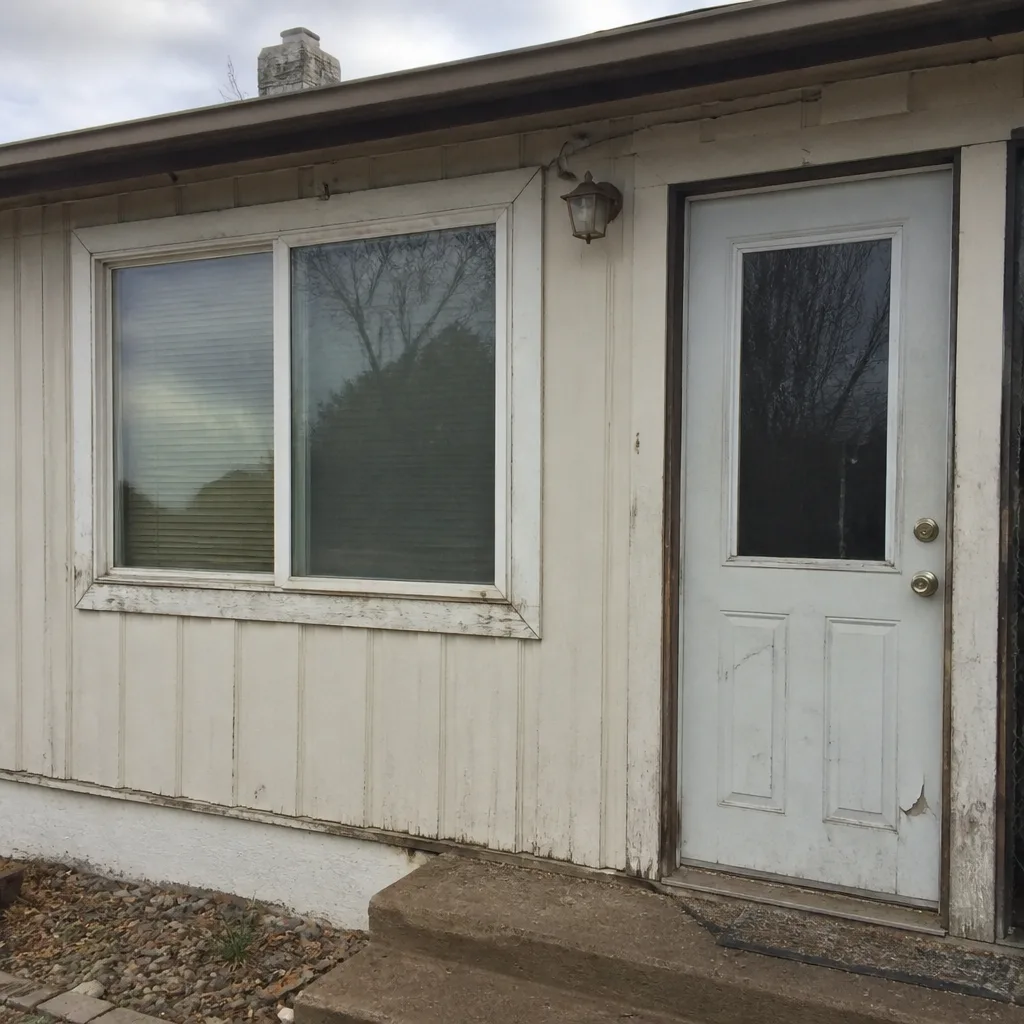
See the difference
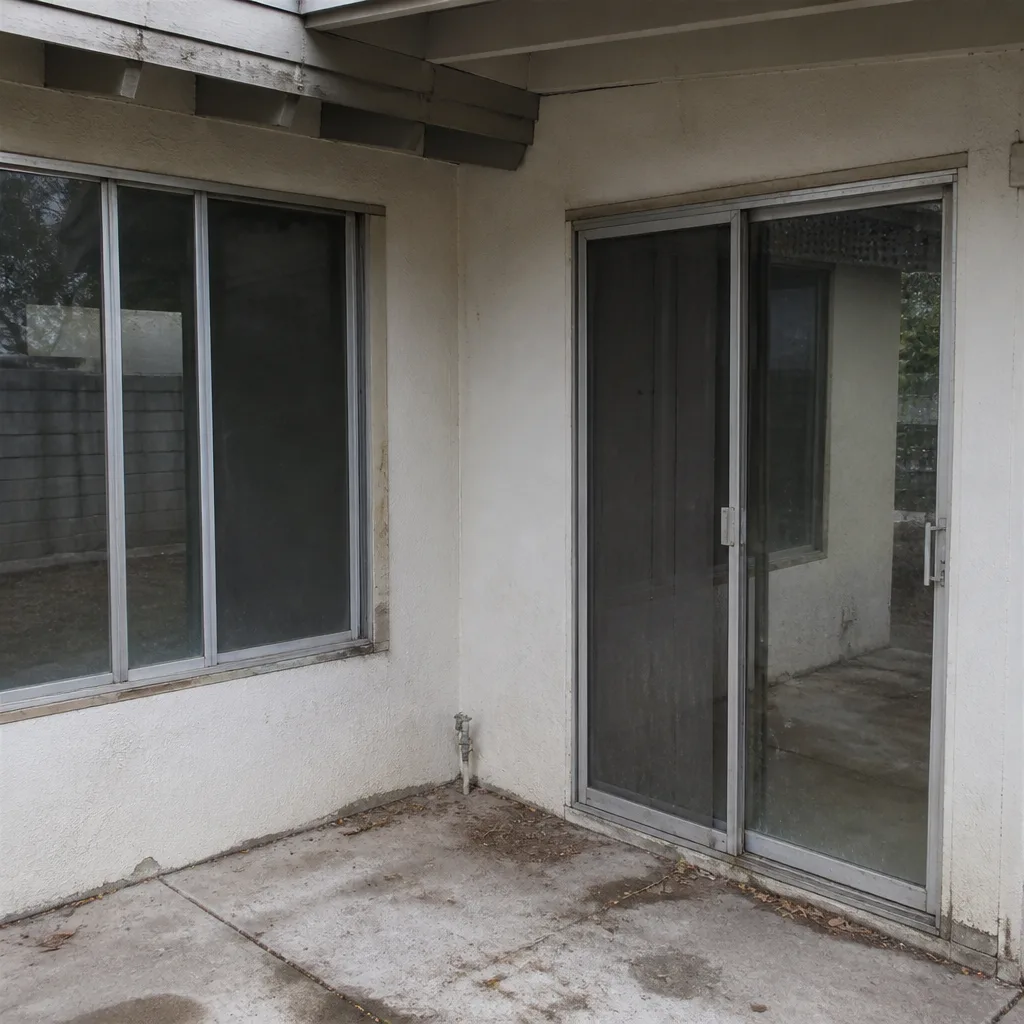 Before
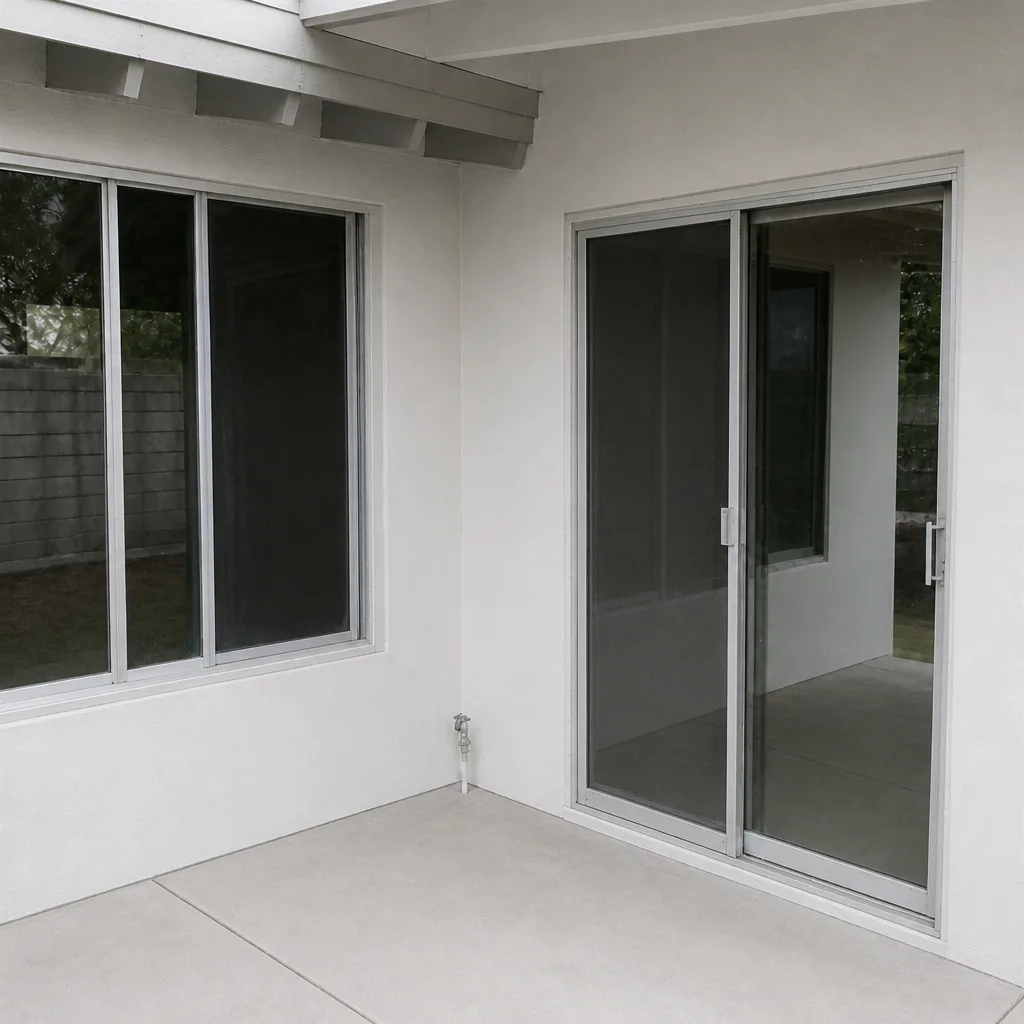 After
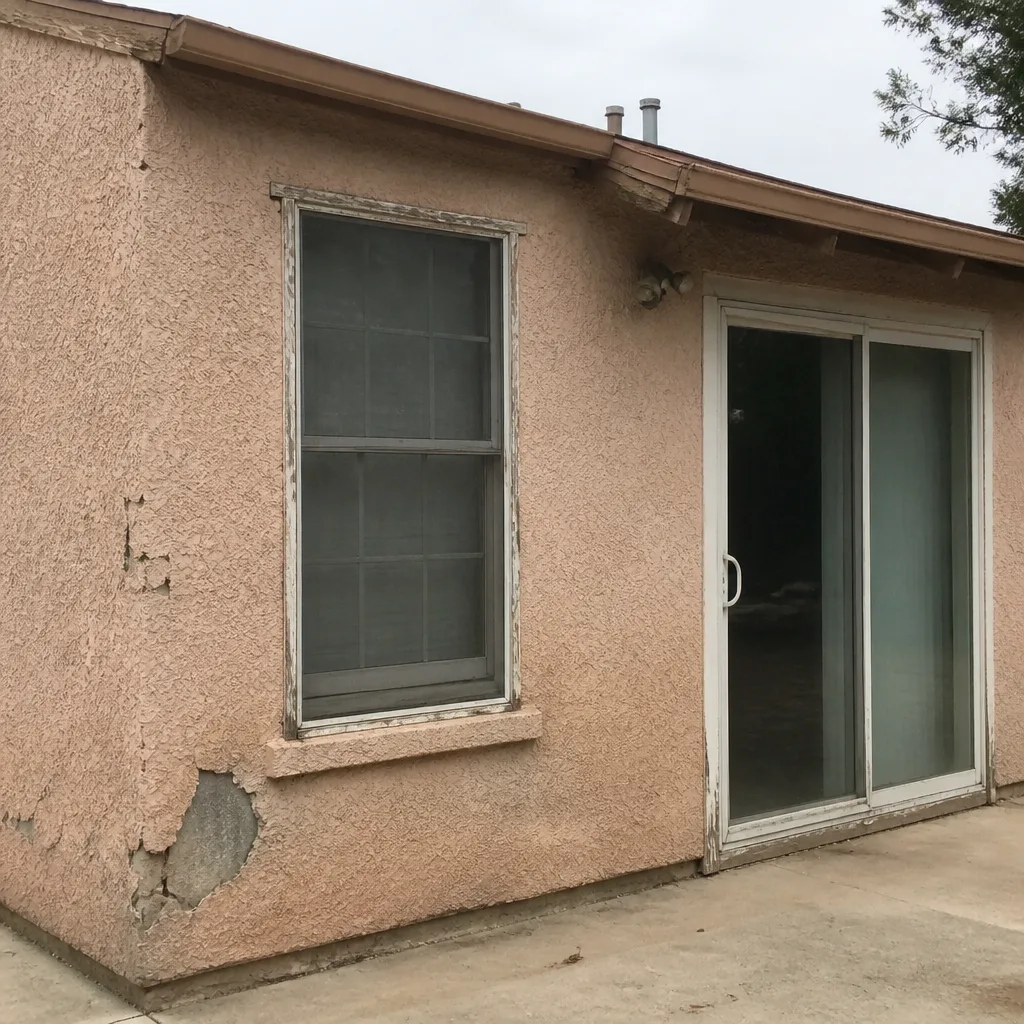 Before
 After
 Before
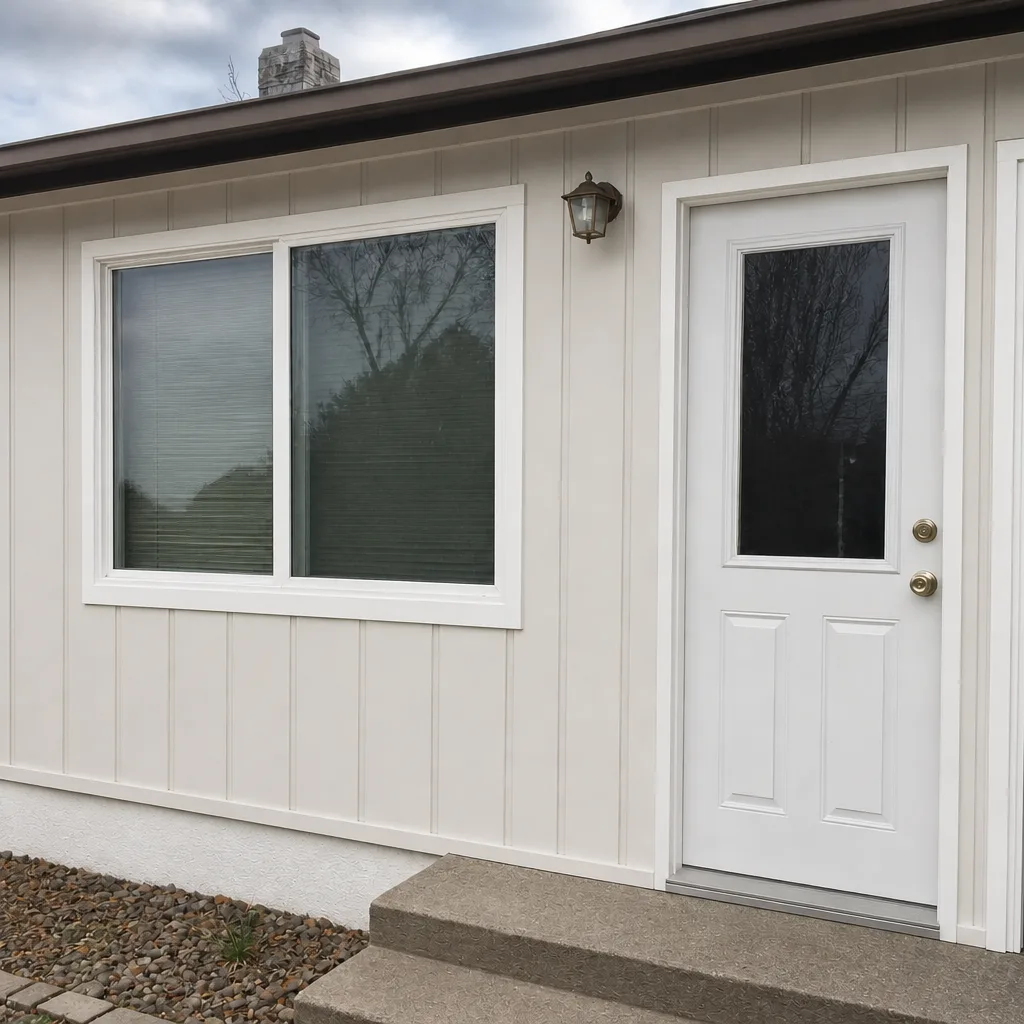 After
Common Mistakes to Avoid
- Pressure washing frame joints and weep holes. It drives dust inward instead of clearing it. Use low-pressure water or compressed air, angled so debris exits rather than enters.
- Skipping weep hole checks because they’re hard to see. This single task accounts for a large share of preventable impact window failures. Fifteen minutes per quarter prevents most of them.
- Using abrasives on frames to remove oxidation. A scouring pad removes the top layer of vinyl and accelerates the next round of oxidation. Use soft cloths and mild cleaner only.
- Cleaning hot glass in direct afternoon sun. Thermal shock can crack the pane, and in Spring Valley the risk is real between June and September.
- Applying heavy lubricant to hinges. Excess oil catches desert dust and turns into grinding paste. Light silicone, thin coats.
- Ignoring sprinkler overspray on lower windows. Hard water scale and constant moisture are eating the frame from the outside, and a 3-minute sprinkler adjustment fixes it.
- Not documenting condition annually. A warranty claim without a photo record becomes a dispute. In Spring Valley, where UV damage can be blamed on anything, the record is your protection.
When to Call a Professional
Some maintenance is DIY. Some isn’t. Call a professional if you see water pooling inside a frame after rain, if sealant has failed on second-story windows, if a hinge or lock is seized, if glass has cracked or chipped at the edge, or if you’re not sure whether the problem is cosmetic or structural. Any doubt about frame integrity is worth a look before it becomes a bigger repair.
Professionals also handle the annual inspection on homes with hard-to-reach windows or on homes that have never been inspected since installation. A trained eye catches things a homeowner won’t: early stages of seal failure, hardware wear, drainage paths that were never correct to begin with.
Winslow Windows & Doors Spring Valley offers free estimates in Spring Valley. Call (888) 282-3902 to schedule a maintenance inspection or to talk through what you’re seeing. Our technicians have up to 15 years of experience, every visit is background-checked and uniformed, and no trip charge applies inside our home county.
Frequently Asked Questions
Every 8 to 12 weeks, not the twice-yearly schedule most national guides suggest. Desert dust accumulates faster than rain can rinse it, and letting dust sit accelerates UV oxidation on frames. Homes near open desert or construction may need monthly cleaning during active dust season. Call (888) 282-3902 if you want a professional assessment of your current window condition.
Yes. Weep holes and drainage channels need clearing quarterly in Spring Valley. Clogged weep holes are the most common cause of frame rot and water intrusion on impact windows here, and most homeowners never check them. Skipping this task can void warranty coverage for water damage. Call us if you’re not sure how to inspect them safely.
It contributes to damage if left accumulating. Caliche dust is high in calcium carbonate, and when combined with occasional moisture it becomes slightly alkaline, which attacks certain sealant formulations and hardware finishes. Regular cleaning removes the dust before it can react. Nothing catastrophic happens in a week, but months of accumulation adds up. Call us for a professional cleaning and inspection if it’s been more than a year.
Failure to maintain drainage, neglecting documented defects, and using abrasive cleaners or pressure washers on frames are the most common causes. Some manufacturers also void coverage if windows are modified after installation or if sealant fails and isn’t repaired within a reasonable window. Your annual photo documentation is the best protection. Call (888) 282-3902 for a warranty review before you make any changes.
Most cleaning, lubrication, and ground-level weep hole clearing is reasonable DIY work. Anything at height, any sealant that has failed, and any concern about frame integrity is worth a professional look. Beyond the injury risk, window work done wrong on impact-rated units can affect the performance the windows were designed for. Call us for a free estimate if you’d like help deciding what’s DIY and what isn’t.
If you can see daylight through a gap, fit your fingernail into it, or feel a draft after the first cold night, it’s serious and needs attention before winter rain. Hairline cracks and slight discoloration are usually early enough to reseal. On second-story windows, treat any visible failure as worth a professional check. Call us for a free evaluation if you’re not sure what you’re looking at.
The Bottom Line
Impact windows are the right investment for a Spring Valley home, and the maintenance schedule that keeps them performing is shorter than most homeowners expect. Clean more often than national guides suggest, clear weep holes quarterly, inspect sealant every fall, lubricate hardware every six months, and photograph everything annually. The single biggest failure we see is skipped drainage maintenance, and it’s also the easiest to prevent. If you’d rather have a trained eye do the annual walkthrough or if anything looks off, call (888) 282-3902. Winslow Windows & Doors Spring Valley is the one down the road, and our technicians will tell you honestly whether what you’re looking at is maintenance, warranty, or replacement.
Written by the team at Winslow Windows & Doors Spring Valley.