
Last updated November 18, 2026
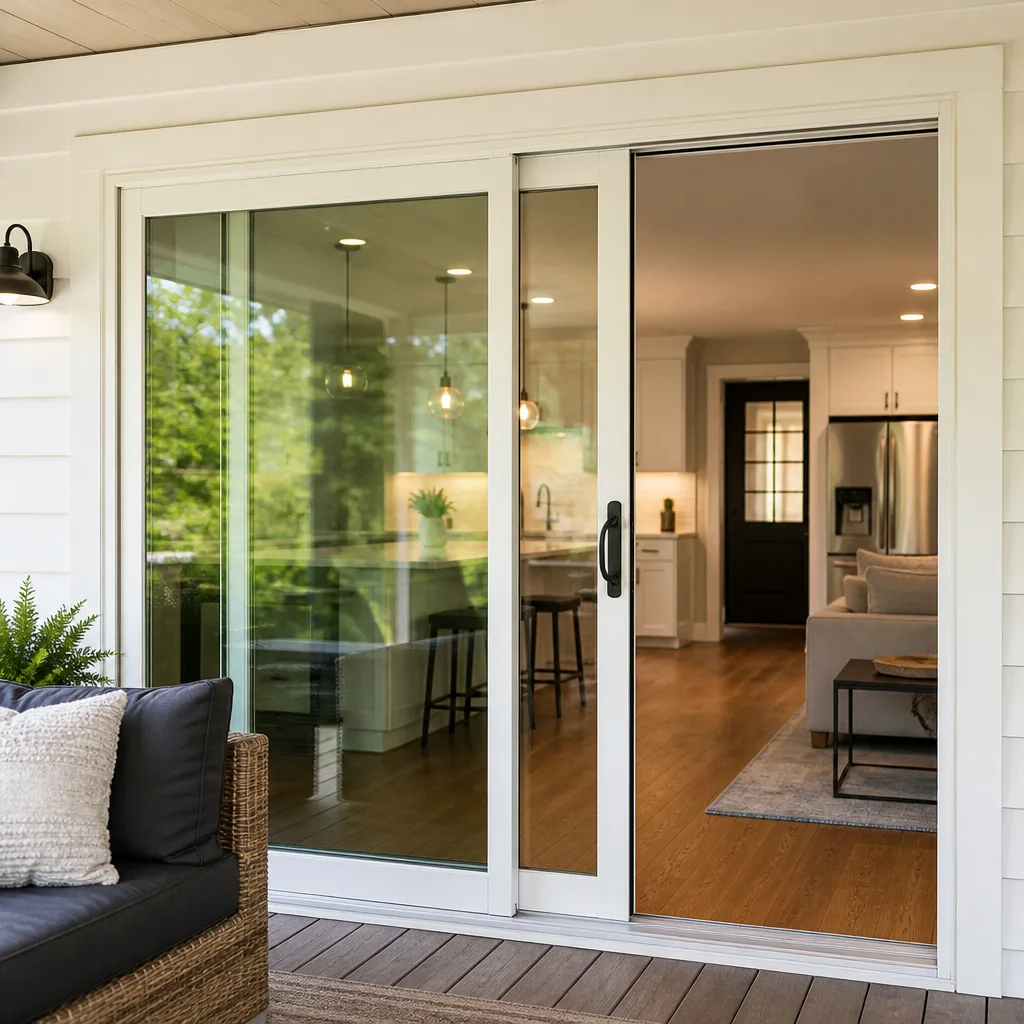 Sliding glass doors
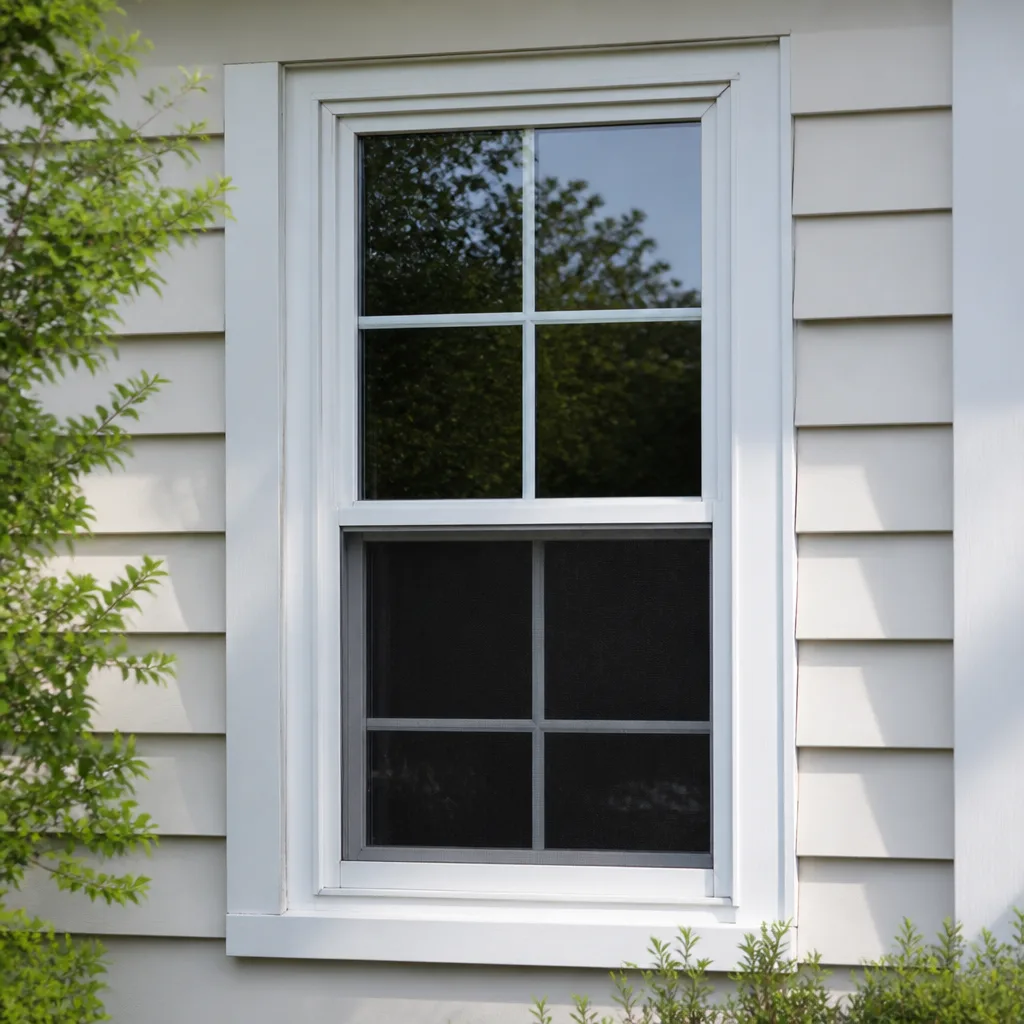 Single hung
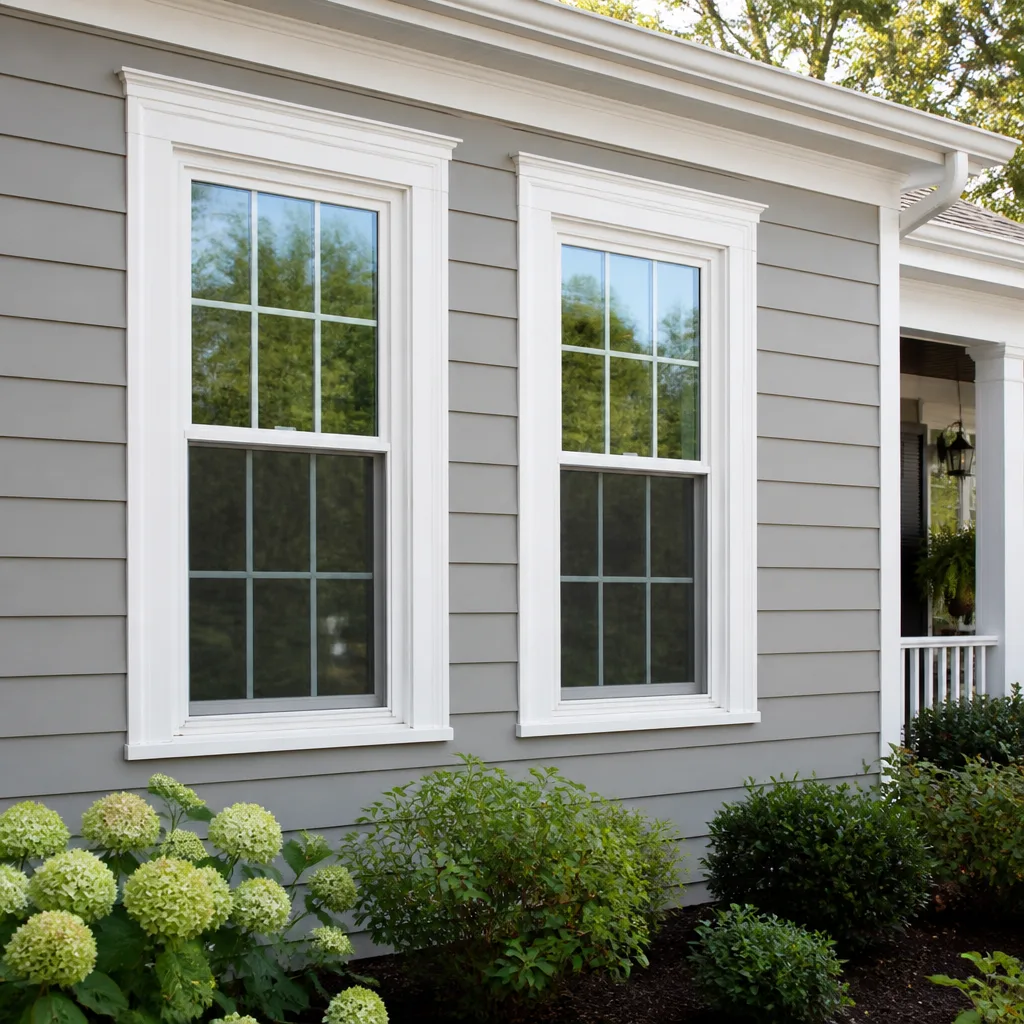 Double hung
 Horizontal roller
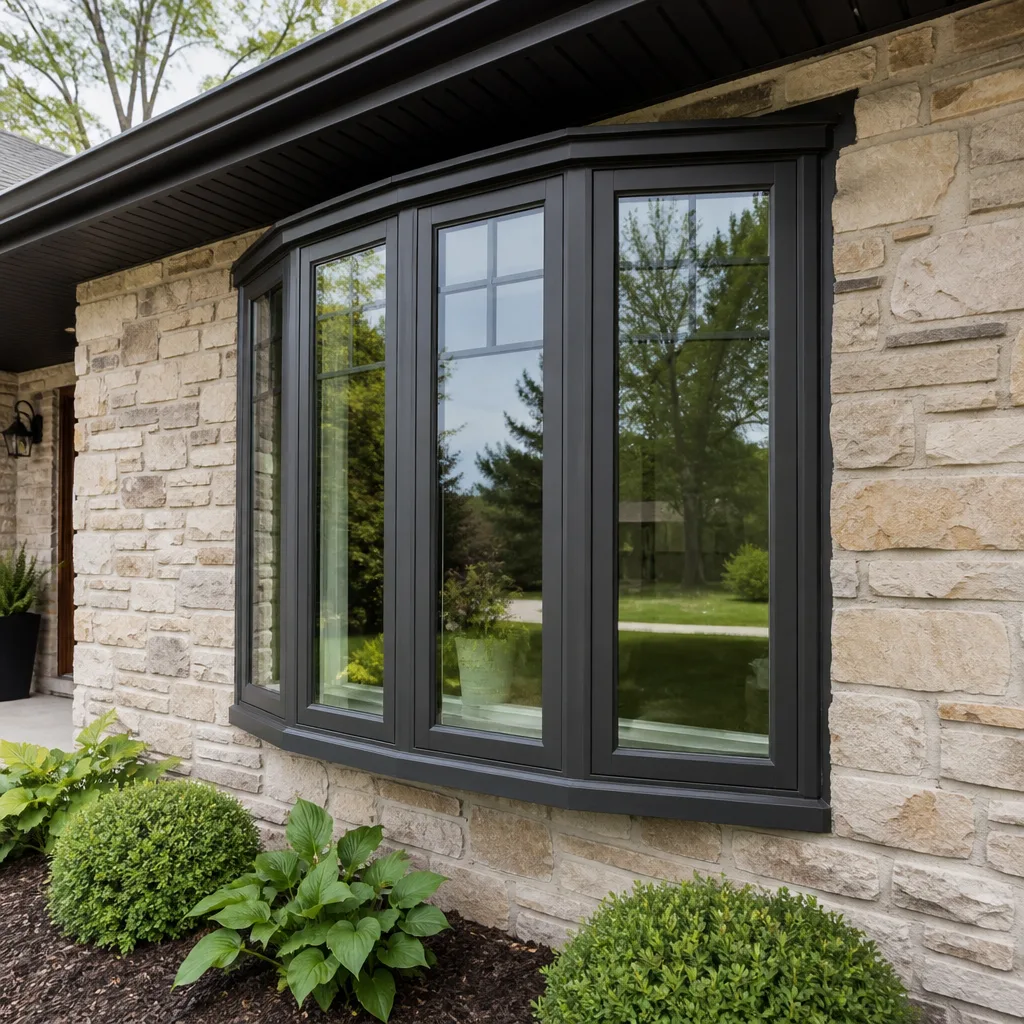 Casement
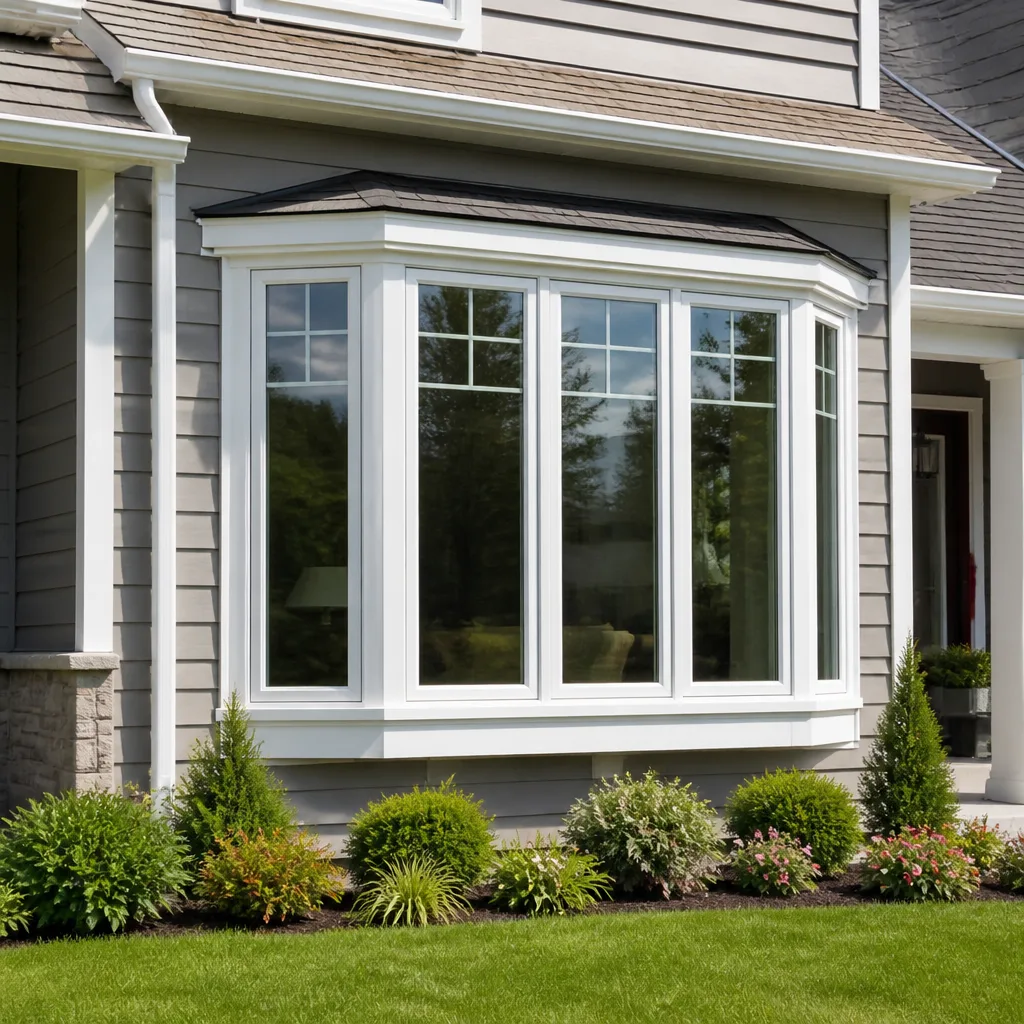 Bay & bow
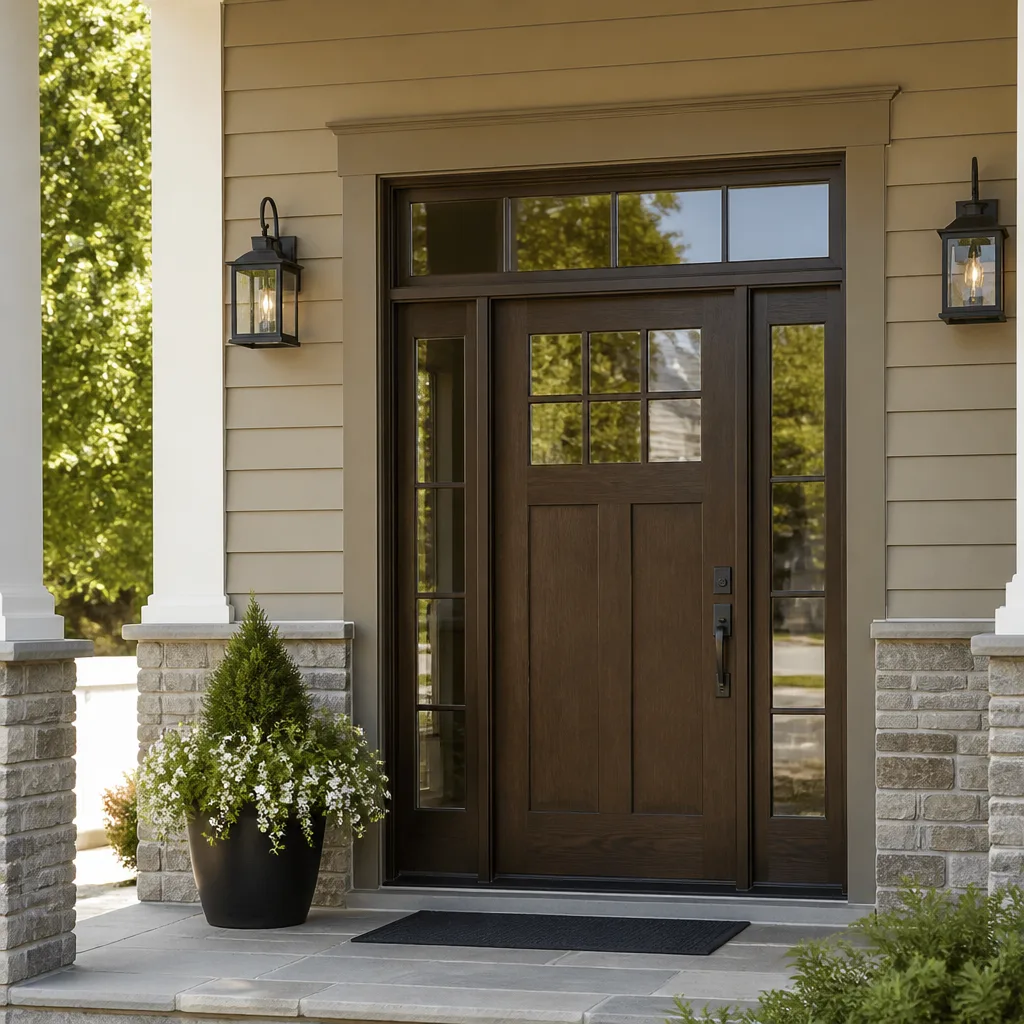 Entry doors
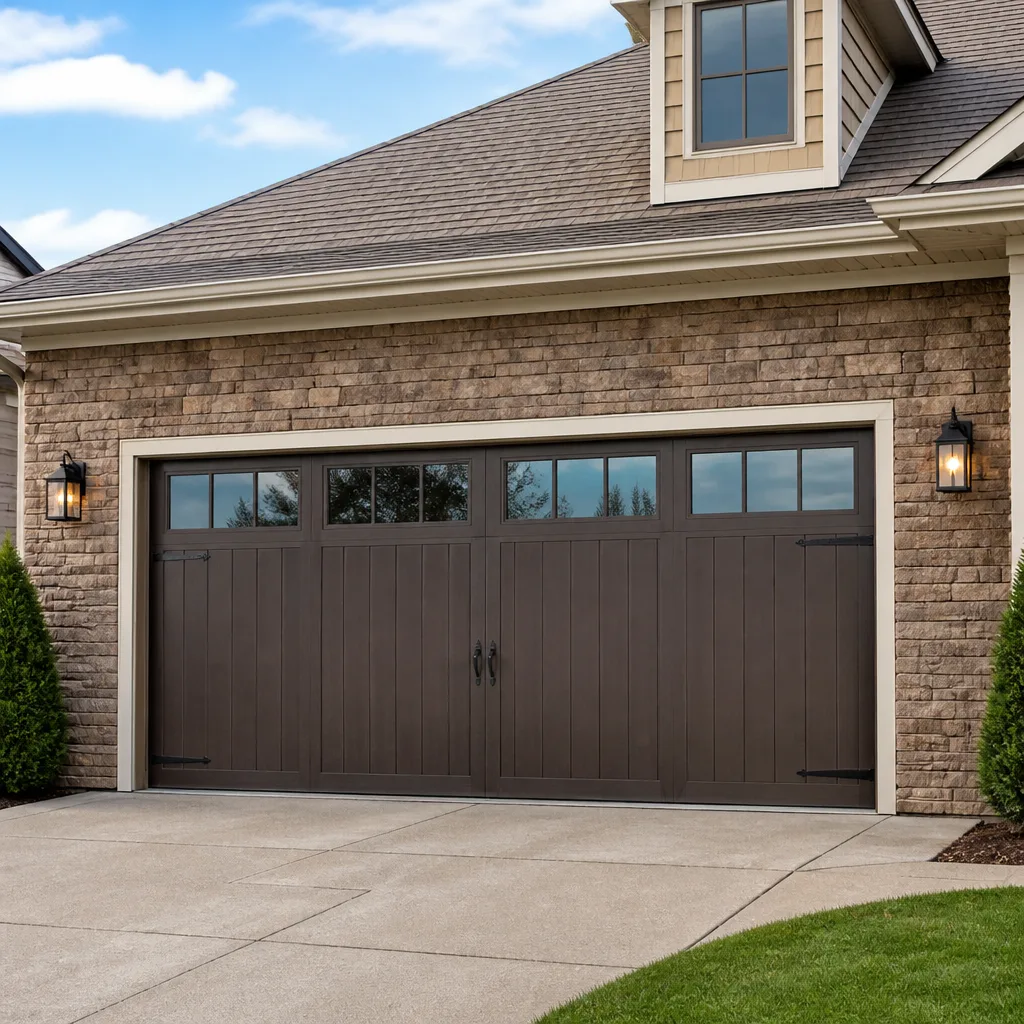 Impact garage doors
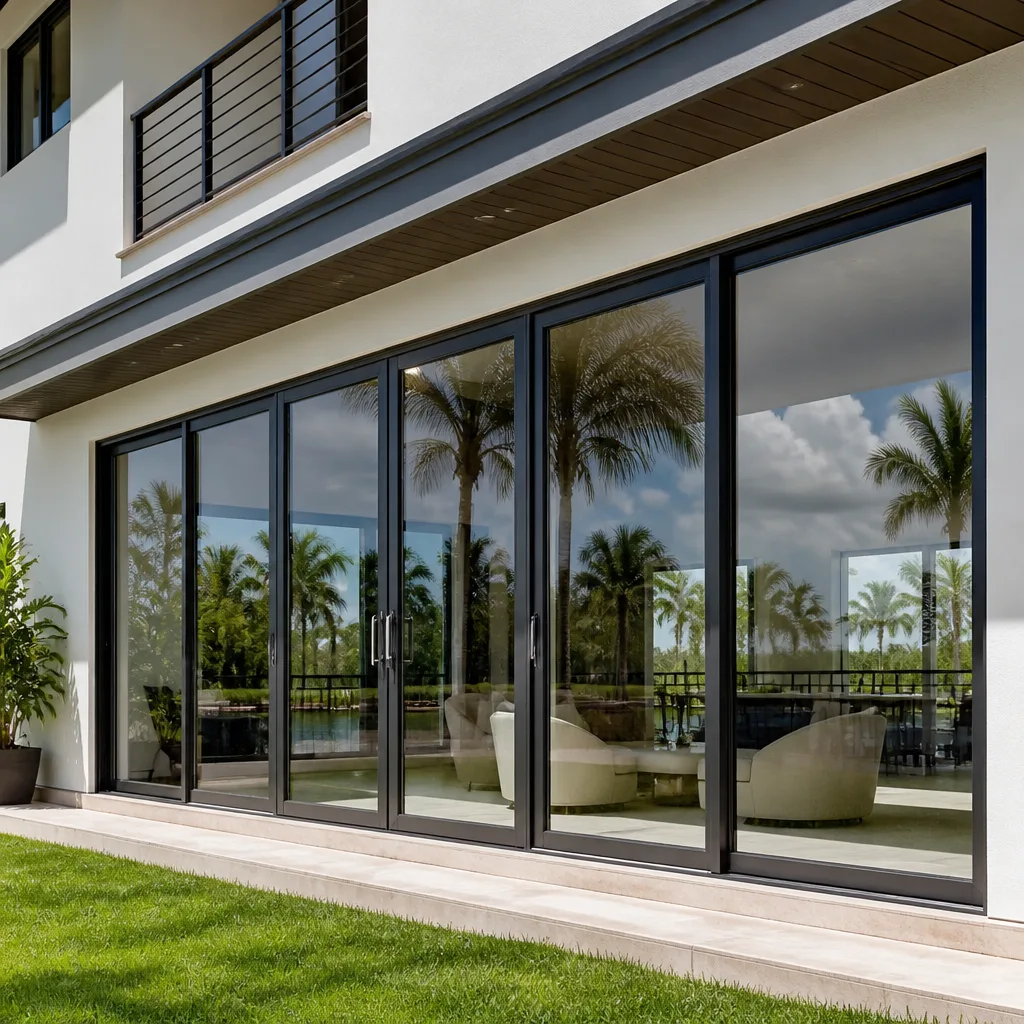 PGT
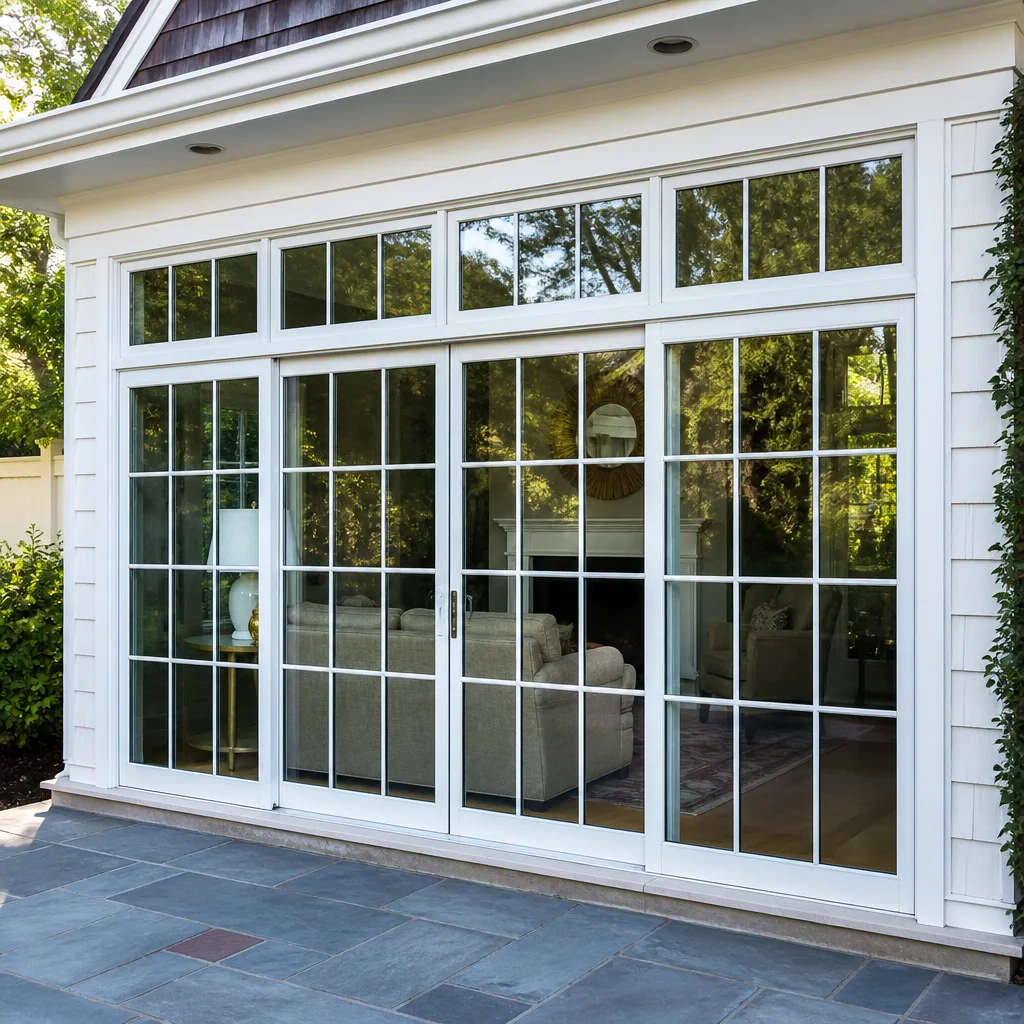 CGI
Free in-home measure and quote - PGT, CGI and CWS impact lines compared on your actual openings, style by style
Get your free estimateHow to Hire a Windows & Doors Contractor in Spring Valley: A Step-by-Step Guide
After a hard summer or a wind event rolls through the valley, out-of-state window crews start knocking on doors in Spring Valley neighborhoods. Many of them are unlicensed, and most homeowners never check. Nevada requires a C-17 glazing license for this work, and you can verify any contractor’s status on the Nevada State Contractors Board website in about a minute. This guide walks you through exactly what to verify, the contract clauses that actually protect you, and how to structure payments so you keep leverage until the final inspection is signed off.
Quick Answer
To hire a windows and doors contractor in Spring Valley, verify an active Nevada C-17 glazing license on the Nevada State Contractors Board site, confirm general liability and workers’ compensation coverage, ask for written factory authorization on the brands being installed, and never pay more than a modest deposit before materials arrive. A reputable contractor will happily provide all four before you sign anything. If any of those four requests gets deflected, walk away.
Styles & brands we work with
- Single hung
- Double hung
- Horizontal roller
- Casement
- Bay & bow
- Sliding glass doors
- Entry doors
- Impact garage doors
- PGT
- CGI
Table of Contents
- Why the License Check Comes First in Spring Valley
- How to Verify a Nevada C-17 Glazing License in 60 Seconds
- Insurance Minimums: What You Need to See Before Work Starts
- Five Contract Clauses That Protect You
- Two Clauses That Signal the Contractor Is Protecting Only Themselves
- Why the Lowest Bid in Spring Valley Usually Costs More
- Brand Authorization: Why It Matters for Your Warranty
- How to Structure a Payment Schedule That Keeps Leverage
- When to Schedule Window and Door Work in the Valley
Why the License Check Comes First in Spring Valley
Spring Valley sits in unincorporated Clark County, which means most window and door permitting runs through Clark County’s building department rather than a city office. That distinction matters because permit pulls and inspections are part of the job, and a contractor who isn’t properly licensed can’t pull a permit in their own name. When an unlicensed crew installs your windows, the permit – if one gets pulled at all – often goes under the homeowner’s name. That puts the liability for code compliance squarely on you.
Nevada classifies glazing work under the C-17 license. A C-17 covers the installation of windows, doors, glass, and related products. Some contractors hold a general building license (B) and subcontract the glazing. That’s not automatically a problem, but it changes who is accountable when something fails. In our experience working Spring Valley jobs, the cleanest projects are the ones where the company that sold you the windows is the same company that installs them and holds the license under which the work is permitted.
Here’s what an expired or inactive license actually means for you:
- No permit in their name. A lapsed license means the contractor can’t legally pull a permit, so either the job goes unpermitted or the permit lands in your name, transferring compliance liability to you.
- No access to the state recovery fund. Nevada’s residential recovery fund exists to help homeowners when a licensed contractor fails to complete work or does defective work. If the contractor wasn’t licensed at the time of the contract, you generally can’t draw on it.
- Warranty worthlessness. Manufacturer warranties on PGT or Therma-Tru products often hinge on installation by a qualified, licensed installer. An unlicensed install can void coverage on the product itself.
- Insurance gaps. A contractor working on an inactive license typically can’t maintain the bonding and insurance the state requires, which means an injury on your property could come back to your homeowner’s policy.
The license check takes a minute. Skipping it is how Spring Valley homeowners end up with a failed inspection, a voided warranty, and a crew that stopped answering their phone. For a broader view of what a properly installed window should look like in this climate, see our page on window installation in Spring Valley.
How to Verify a Nevada C-17 Glazing License in 60 Seconds
The Nevada State Contractors Board publishes every licensed contractor’s status, classification, and disciplinary history. You don’t need an account or a fee. Here’s the exact sequence:
- Go to the NSCB license search. The board’s public lookup lets you search by license number, business name, or the name of the individual qualifier.
- Search the business name on your estimate. Match it against the name on the contract, not just the name on the salesperson’s business card. Shell companies often operate under a different name than the one on the paperwork.
- Confirm the classification. Look for C-17 (glazing) as an active classification. A B or B-2 general license may be present as well, but the glazing classification is what covers the actual installation work.
- Check the status field. You want “active.” Anything reading “expired,” “inactive,” “suspended,” or “revoked” is an immediate stop.
- Read the disciplinary history. The board lists complaints and disciplinary actions. One old resolved complaint isn’t a dealbreaker. A pattern of them, or anything recent, deserves hard questions.
- Screenshot it. Save the date and result. If a dispute arises later, you’ll want a record of what the license status was when you signed.
Do this for the company on the contract and, if a subcontractor is named, for the subcontractor too. In Spring Valley, where we’ve seen out-of-state crews show up after a monsoon, the license lookup is the single fastest way to spot a storm-chaser before they get a deposit.
Insurance Minimums: What You Need to See Before Work Starts
A license doesn’t automatically mean adequate insurance. Nevada requires licensed contractors to carry general liability insurance and, if they have employees, workers’ compensation. The board verifies these at licensing, but you should still ask for a current certificate of insurance and read it. Here’s what to look for:
- General liability coverage naming the contractor as the insured, with current effective dates that span your project timeline. A certificate expiring in two weeks doesn’t cover a month-long job.
- Workers’ compensation coverage if the crew has employees. If a worker is injured on your property and the contractor doesn’t carry comp, the claim can land on your homeowner’s policy.
- Your address listed as the job site on the certificate, or at minimum confirmation that residential installation is covered. Some policies exclude certain work types.
- A certificate issued directly by the insurance carrier or agent, not a photocopy the contractor typed up. Call the agent listed on the certificate to confirm the policy is active. This is a two-minute call that has saved Spring Valley homeowners real money.
Window and door installation involves ladders, glass handling, and cutting tools. The injury risk is real, and it’s why insurance verification isn’t a formality. If a contractor can’t produce a current certificate, that’s your answer.
Five Contract Clauses That Protect You
A window and door contract should protect both parties, but the clauses that matter most to you are specific. Here are the five we’d insist on seeing before signing, whether the project is a single patio door or a whole-home replacement:
- A written scope with product specifications. Brand, model number, glass package, U-factor, and SHGC rating all spelled out per opening. Not “energy-efficient windows” – the actual numbers. In Spring Valley’s climate, the difference between a standard and an impact-rated glass package shows up on your summer energy bill and in wind resistance.
- Permit and inspection responsibility stated explicitly. The contract should say the contractor pulls the permit and schedules inspections. If it doesn’t say, ask in writing. This ties back to the license check: an unlicensed contractor can’t do either.
- A written workmanship warranty separate from the product warranty. Product warranties cover the window. Workmanship warranties cover the installation – the flashing, the sealing, the shimming, the water management. These are two different documents, and you want both in writing.
- A start date and a completion window. Not “as soon as materials arrive,” but an actual date range with a stated remedy if the schedule slips. This is fair to both sides: a real contractor can tell you when materials are ordered and roughly when the install crew is scheduled.
- Cleanup and haul-away spelled out. Old windows and doors, packaging, and debris removed from the property at the end of the job. This sounds minor until you’re staring at a pile of old glass in your side yard.
For more on what a properly scoped replacement should include, including the difference between a full-frame and pocket installation, see our window replacement in Spring Valley page. The scope in your contract should match the scope on the ground, and the two most common disputes we hear about in Spring Valley come from a scope that was never written down.
Two Clauses That Signal the Contractor Is Protecting Only Themselves
Reading the contract for what’s missing matters as much as reading what’s there. Two clauses deserve special scrutiny:
- The arbitration-only clause. Many contracts contain a clause forcing any dispute into binding arbitration, often with an arbitrator the contractor selects and in a venue convenient to the contractor. Arbitration can work for both sides, but if it’s mandatory, non-negotiable, and paired with a waiver of your right to a jury trial, you’re giving up real leverage before work even starts. Ask whether the clause is negotiable. A contractor confident in their work will usually discuss it.
- The “homeowner responsible for permits” clause. Sometimes dressed up as “homeowner to obtain all necessary permits.” This is the single clearest signal that the contractor is either unlicensed or trying to dodge inspection liability. Nevada requires the licensed contractor to pull permits for work within their classification. If you see this clause in a Spring Valley window or door contract, treat it as a stop sign and walk away.
A contract that protects only the contractor is a contract that leaves you holding the risk. The best contracts we’ve seen in Spring Valley name the licensed entity, spell out the warranty terms in plain language, and give you a real timeline. They’re not complicated, and they’re not one-sided.
Why the Lowest Bid in Spring Valley Usually Costs More
The lowest window bid in Spring Valley almost always has a subcontractor chain behind it. Here’s how it works: the company that sold you the job subs the installation to a crew it has no long-term relationship with, and that crew subs portions of the work again. By the time the van arrives, the company on your contract has no direct accountability for what happens on the install. When a window leaks in a spring wind storm two years later, the sales company points at the installer, the installer points at the manufacturer, and you’re the one making the calls.
This chain structure is a big reason why we’d tell any Spring Valley homeowner to ask one direct question before signing anything: who actually installs the work? The answer should be the company that holds the license and signs the contract. Not a crew working under someone else’s license, not a rotating subcontractor pool.
A low bid is not automatically a red flag. Real cost drivers in Spring Valley are legitimate: impact-rated glass costs more than standard glass, custom sizing adds labor, and premium brands like PGT and Therma-Tru cost more than builder-grade options. What you’re watching for is a bid that’s low because something got left out – the permit, the haul-away, the flashing, the workmanship warranty. A too-low bid usually means you’ll pay for those things later, at change-order prices.
Ask for a line-item breakdown. If a contractor won’t provide one, that’s a signal in itself. Our page on impact windows in Spring Valley explains why impact-rated glass is often the right call for this climate, and why it carries a higher price.
Brand Authorization: Why It Matters for Your Warranty
Not every company installing PGT or Therma-Tru windows is actually authorized by the manufacturer. That distinction matters for you because brand authorization affects warranty validity, access to replacement parts, and whether the manufacturer will stand behind the product when something fails. Factory-authorized installers have typically done manufacturer training, met installation standards, and are listed in the manufacturer’s dealer locator.
Here’s how to verify authorization in a few minutes:
- Ask for the manufacturer’s authorized installer listing and check the brand’s own dealer locator on its website. PGT and Therma-Tru both maintain public dealer directories.
- Read the product warranty for language about qualified installers. Some manufacturer warranties require installation by a certified installer to remain valid.
- Ask who handles a warranty claim – the manufacturer directly, the contractor, or both. You want to know the process before you need it.
Winslow Windows & Doors Spring Valley is an authorized installer for eight premium brands, including PGT, Therma-Tru, ViewLux, and Mr-Glass. We mention that because it’s verifiable, not because it’s a sales pitch. Any contractor who claims brand authorization should be able to show you the listing.
How to Structure a Payment Schedule That Keeps Leverage
The payment schedule is where you have the most direct control over the outcome. A well-structured schedule keeps your leverage through the final inspection and sign-off. Here’s the structure we’d recommend to any Spring Valley homeowner:
- A modest deposit at contract signing. This covers material ordering and locks in your spot in the schedule. Typical deposits run in the range of 10% to 30% of the contract price, depending on the project size. Anything above roughly a third is worth questioning.
- Nothing further until materials arrive on site. Material delays are the contractor’s problem to manage, not yours to fund. If you’ve paid half up front and the order gets delayed for two months, you’ve lost your leverage.
- A payment at completion of the installation, before final inspection. Not the full balance – a payment that covers the crew’s work but leaves a final amount outstanding.
- The final balance after inspection passes and you’ve done a walk-through. Every window and door opens, closes, and locks properly. The flashing is sealed, the interior trim is finished, and the debris is hauled away.
Be wary of any contractor who asks for cash payment in full before work starts, or who requests the final payment before inspection is scheduled. In Spring Valley, the final inspection is your last real check on the work. Keep the last 10% to 20% until it’s passed and you’re satisfied. That final payment is the single most effective tool you have if something goes wrong.
When to Schedule Window and Door Work in the Valley
Spring Valley summers are brutal on windows and doors. Temperatures in the 100s put real stress on seals, glazing, and weatherstripping, and a poorly installed unit will usually fail during the first hot season rather than immediately after install. That’s actually useful: it means a failed seal or a leaking unit tends to show up in the months following the install, while the workmanship warranty is still fresh.
Wind events are the other half of the equation. Spring Valley sees monsoon-driven wind storms that stress windows and doors differently than heat alone. Impact-rated glass is worth the conversation for that reason – it’s tested against debris impact, which heat and wind combine to throw. If you’re replacing windows, ask the contractor directly whether the glass package is rated for the wind zone your home sits in.
Timing-wise, late fall through early spring is when most Spring Valley homeowners schedule replacements, and it’s when install crews have more available appointments. Summer installs are absolutely doable – crews in this climate know how to work in the heat – but scheduling ahead avoids the mid-summer rush that can push your install back weeks. To see how the full range of window work fits into the calendar, visit our Winslow Windows & Doors Spring Valley home page, and to talk through whether this is the right season for your project, call (888) 282-3902 for a free estimate.
Common Mistakes to Avoid
- Signing before checking the license. A five-minute NSCB lookup catches the majority of bad actors before they get a deposit. We’ve seen Spring Valley homeowners skip it because the salesperson seemed legitimate, and the license was expired the whole time.
- Accepting a verbal scope. “We’ll take care of the flashing” means nothing if it’s not in the contract. Get every line item in writing, per opening.
- Paying the final balance before inspection. The final inspection is your leverage. Holding 10% to 20% until it passes is standard practice and keeps the contractor accountable through the last step.
- Assuming brand authorization without checking. A truck with PGT decals doesn’t mean factory authorization. Check the manufacturer’s dealer locator and confirm the warranty terms.
- Ignoring the arbitration clause. If you’re signing a contract that forces all disputes into mandatory arbitration, you’ve given up significant rights before the job starts. Ask whether it’s negotiable.
- Letting the deposit get too large. A 50% up-front deposit leaves you exposed if the materials are delayed or the contractor stalls. Keep deposits modest.
- Not asking who actually installs. The company that sold you the job should be the company that holds the license and does the install. If the answer is “our subcontractor” and the subcontractor’s name isn’t in the contract, ask more questions.
See the difference
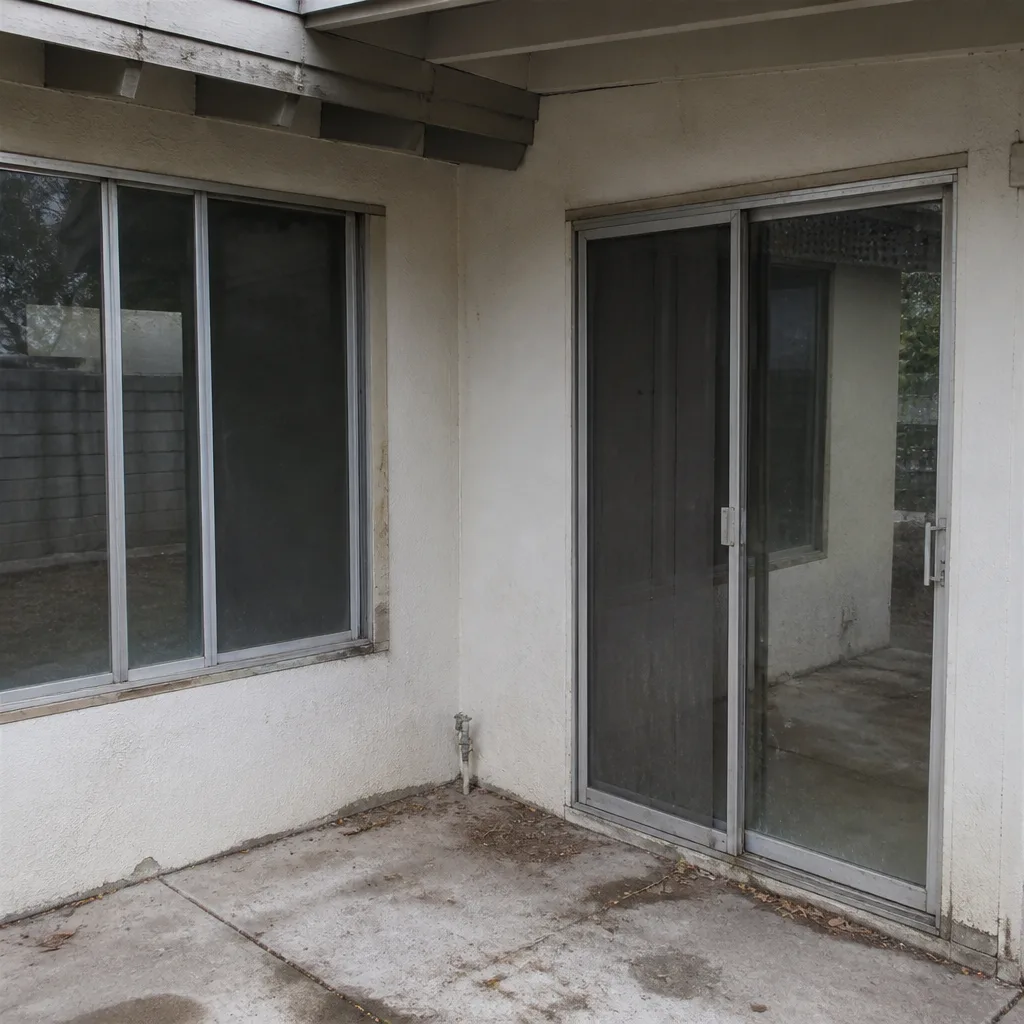 Before
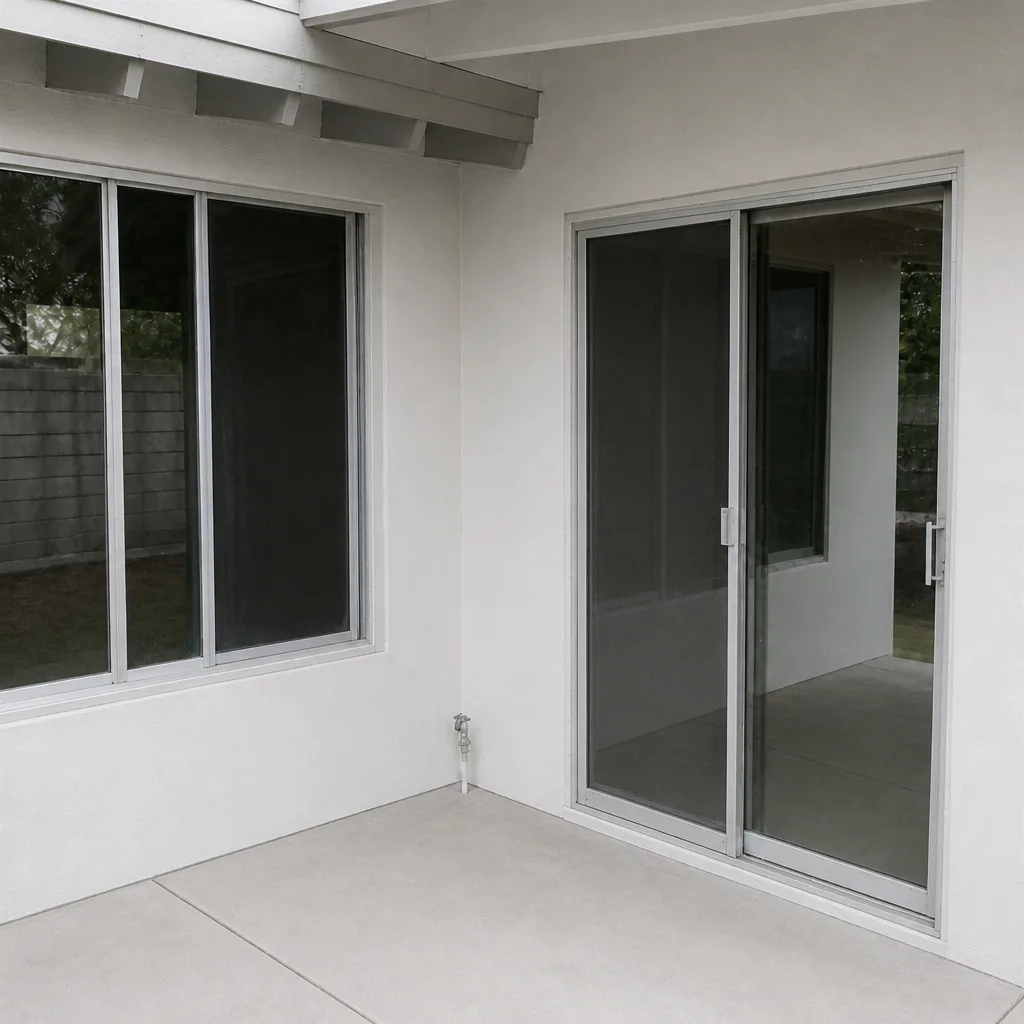 After
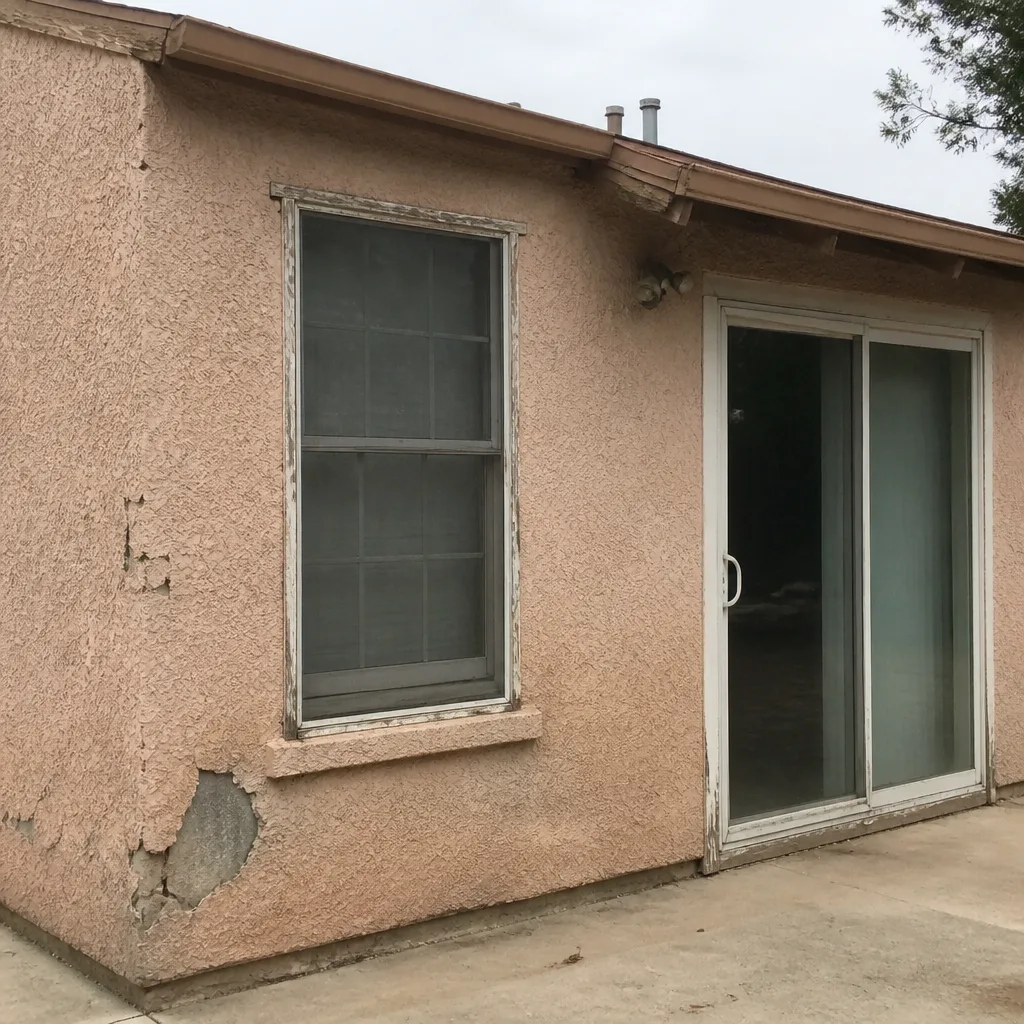 Before
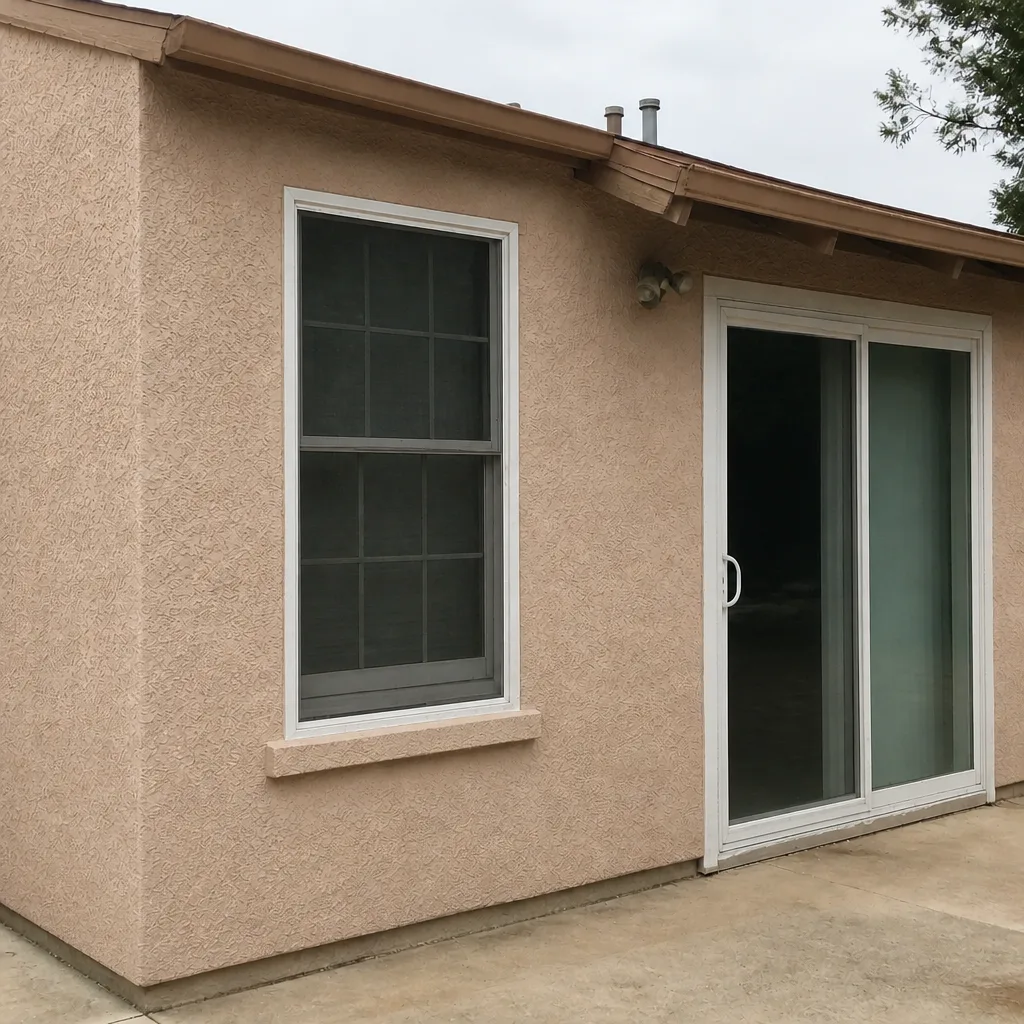 After
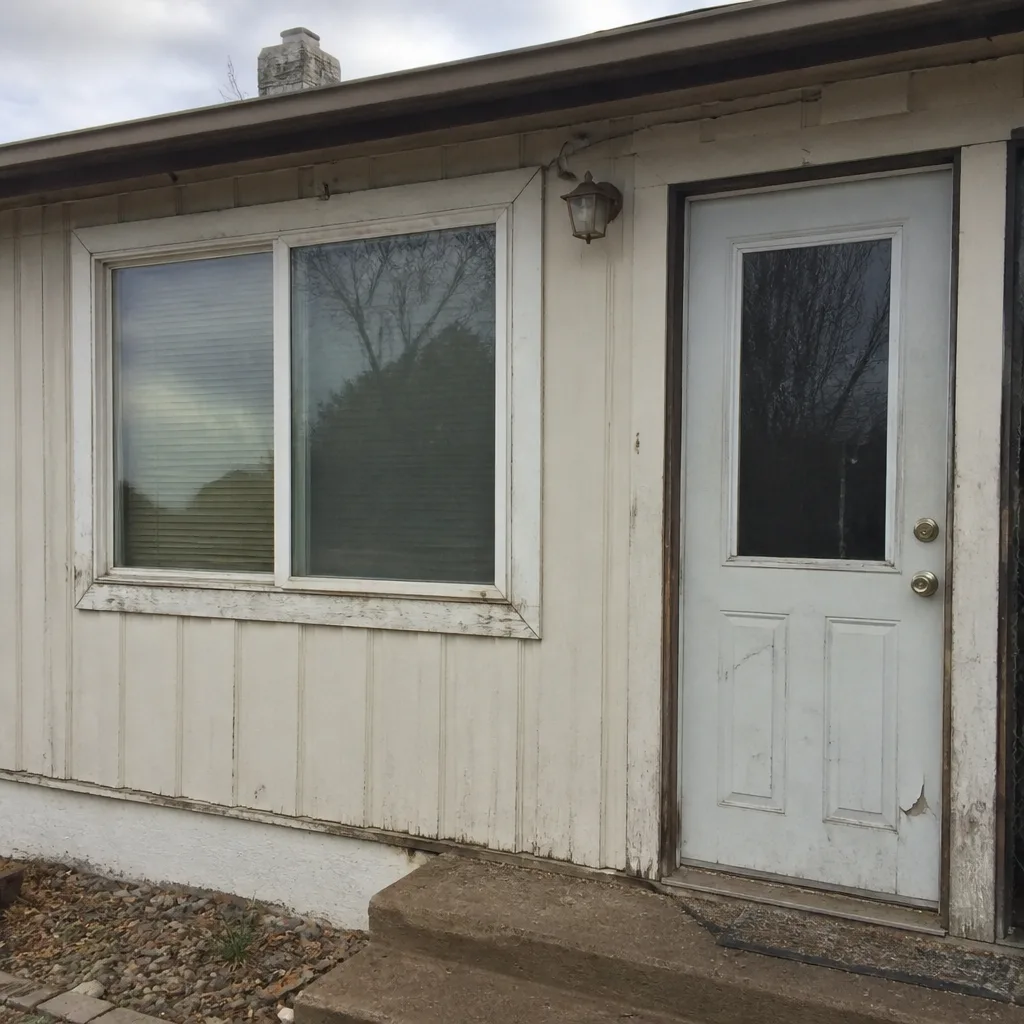 Before
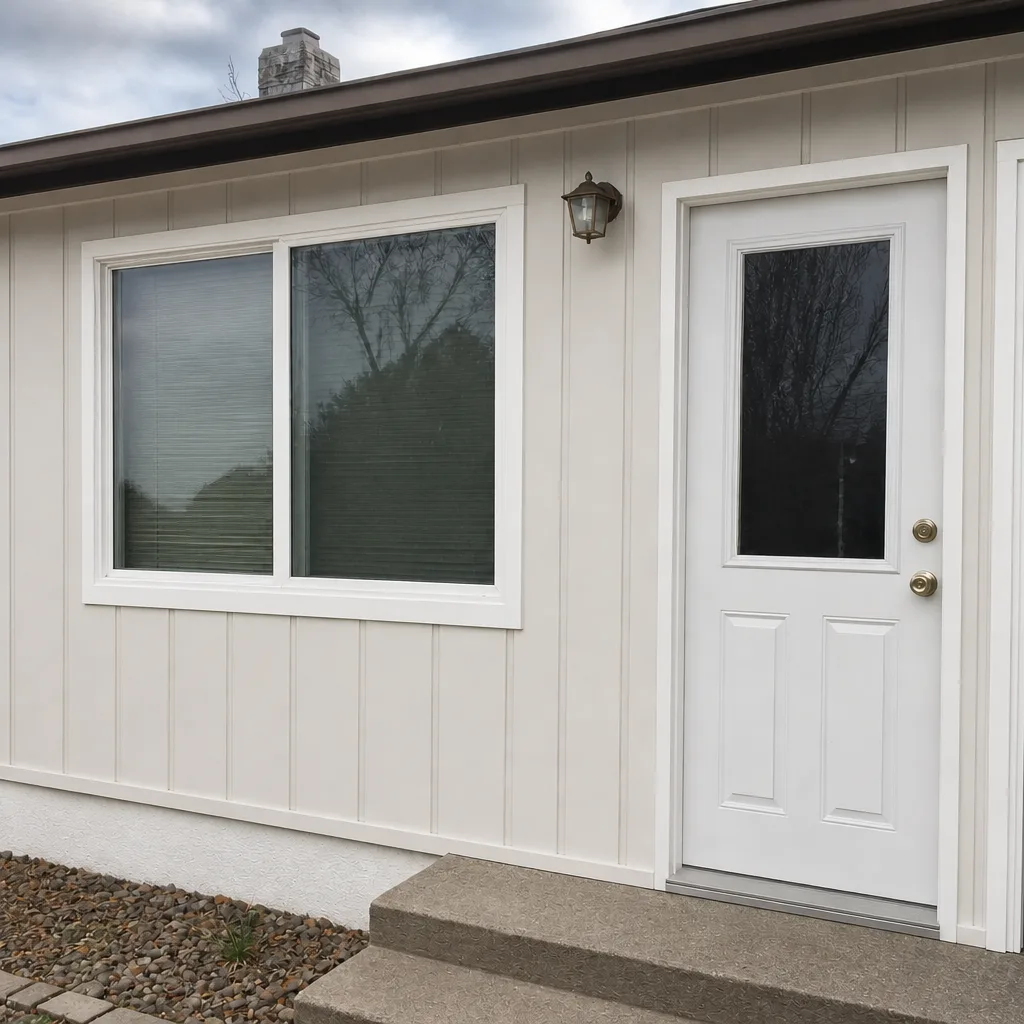 After
When to Call a Professional
Some window and door work is genuinely a pro job. A few scenarios where calling a licensed contractor isn’t optional:
- A failed window seal is fogging or condensing between the panes. That’s a manufacturing failure that requires a full unit replacement, not a cleaning.
- A door is hard to close, sticks, or shows daylight around the frame. That can signal a settling foundation or frame issue, and an amateur cosmetic fix will hide the real problem.
- You’re replacing or adding any window or door that requires a permit.
- You live in an older Spring Valley home with original windows and want to evaluate replacement versus repair. The right call depends on glass type, frame condition, and energy performance, none of which you can eyeball.
Winslow Windows & Doors Spring Valley offers free estimates in Spring Valley – call (888) 282-3902. Every technician is background-checked and arrives in uniform, and our quote is upfront, written line-item pricing.
Frequently Asked Questions
Use the Nevada State Contractors Board’s public license search and confirm an active C-17 glazing classification for the business name that appears on your contract. Check the disciplinary history too, and screenshot the result with the date for your records. Call (888) 282-3902 for an exact quote on your project – estimates are free.
It means the contractor can’t legally pull a permit or access the state’s residential recovery fund, and any manufacturer warranty may be voided by the unlicensed install. Treat an inactive or expired status as a hard stop and don’t sign the contract. Call (888) 282-3902 for a free second opinion on any written estimate you’ve already received.
Full-frame window replacement in the Spring Valley market typically runs from roughly $600 to $1,200 per opening for standard double-pane units, and $900 to $1,800 per opening for impact-rated glass, depending on size, brand, and frame material. Custom sizing and whole-home packages shift these ranges. Call (888) 282-3902 for an exact written line-item quote.
Yes – most window replacements in unincorporated Clark County require a permit pulled through the Clark County building department, and the licensed contractor should pull it in their name. A contractor who tells you a permit isn’t required, or who asks you to pull it yourself, is a red flag. Call (888) 282-3902 to schedule a free estimate with permit handling included.
It shouldn’t. A written scope with line-item pricing per opening, a permit fee disclosed separately, and no hidden fees should mean the price on your contract is the price on your invoice. Change orders should only occur if you request a scope change mid-project. Call (888) 282-3902 for a written quote with fixed pricing.
Most whole-home window replacements run two to five days of install time, with material lead times of two to six weeks depending on brand and custom sizing. Impact-rated and custom-sized units usually sit at the longer end. Call (888) 282-3902 for a schedule estimate based on your project scope.
The Bottom Line
Hiring a windows and doors contractor in Spring Valley comes down to four verifications: an active Nevada C-17 glazing license, current insurance, written brand authorization on the products being installed, and a contract with a clear scope and a payment schedule that keeps your leverage through inspection. Everything else is noise. Skip the license lookup and you’re the one holding the risk. Do it, read the contract, and hold the final payment until inspection passes, and you’ll be in good shape. If you’d rather start with a straight answer, call (888) 282-3902 for a free estimate from a company that’s the one down the road.
Winslow Windows & Doors Spring Valley is locally owned and owner-operated, and every job is covered by our 36500-Day Done Right Promise. If it’s not done right, we make it right – period. We install PGT, Therma-Tru, ViewLux, and Mr-Glass, and we back every install with upfront pricing and a live person answering the phone at (888) 282-3902, 24 hours a day.
Call (888) 282-3902 to schedule your free estimate.
Written by the team at Winslow Windows & Doors Spring Valley.