
Last updated November 18, 2026
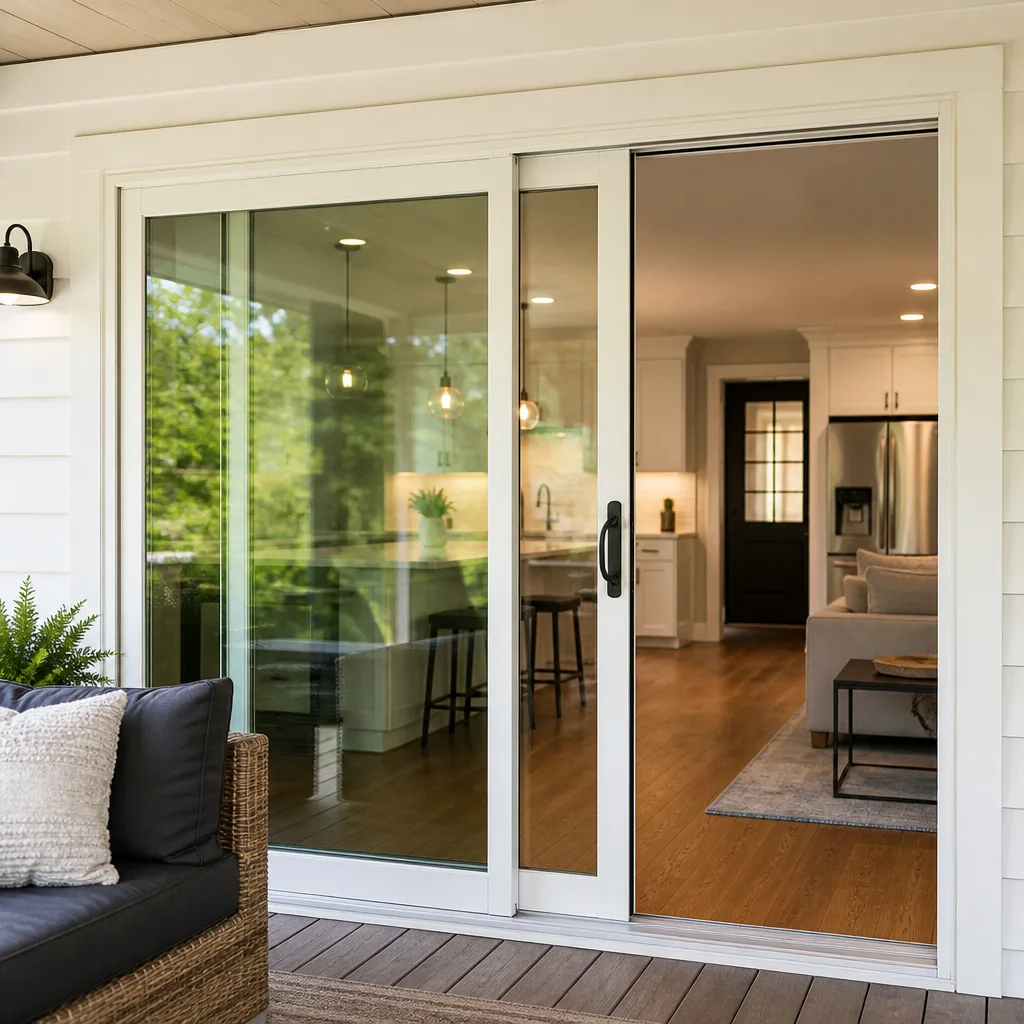 Sliding glass doors
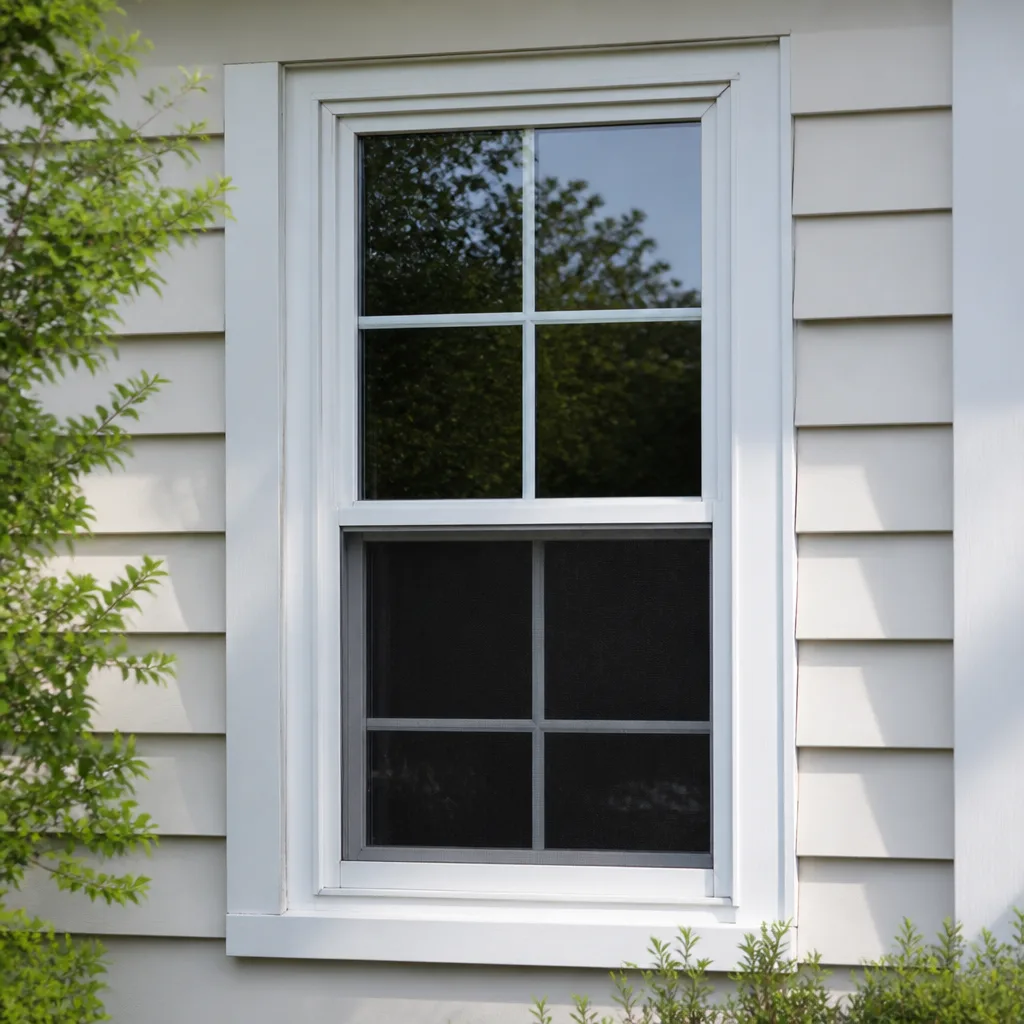 Single hung
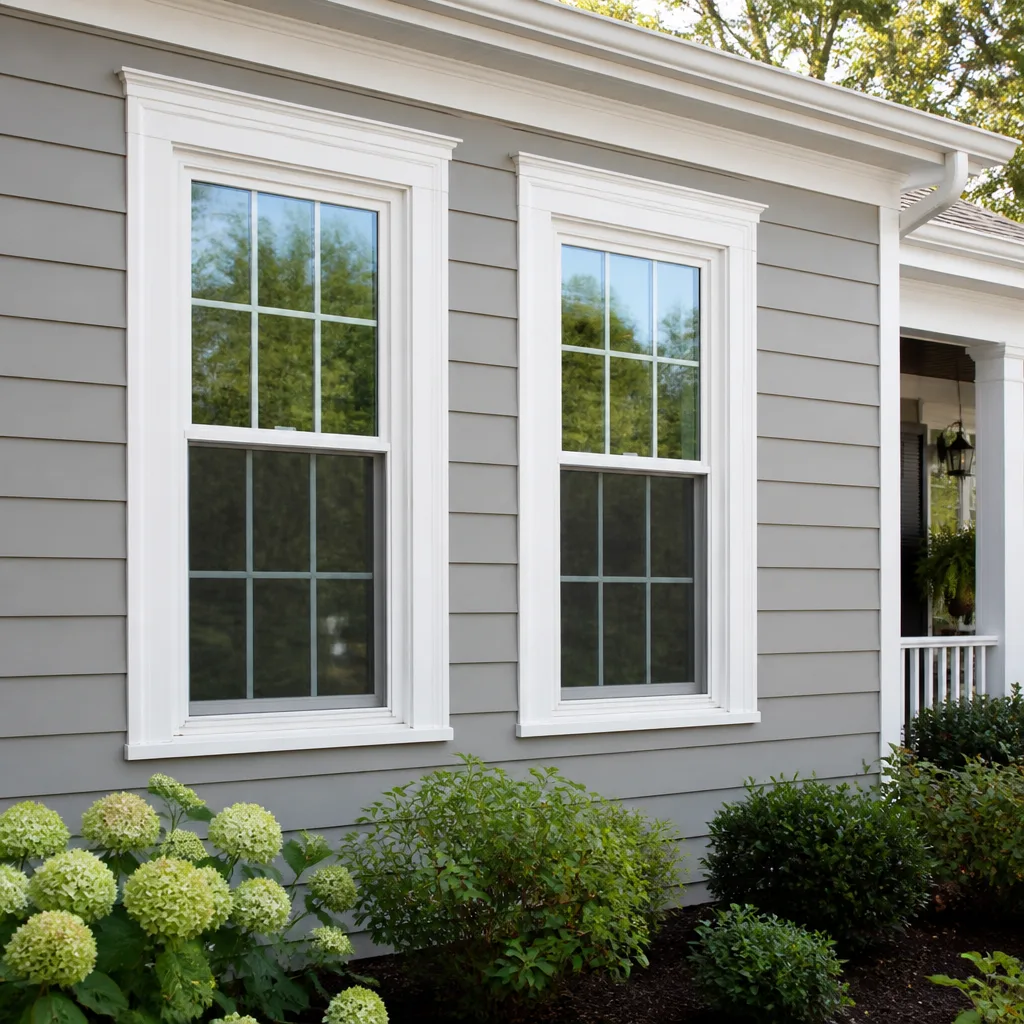 Double hung
 Horizontal roller
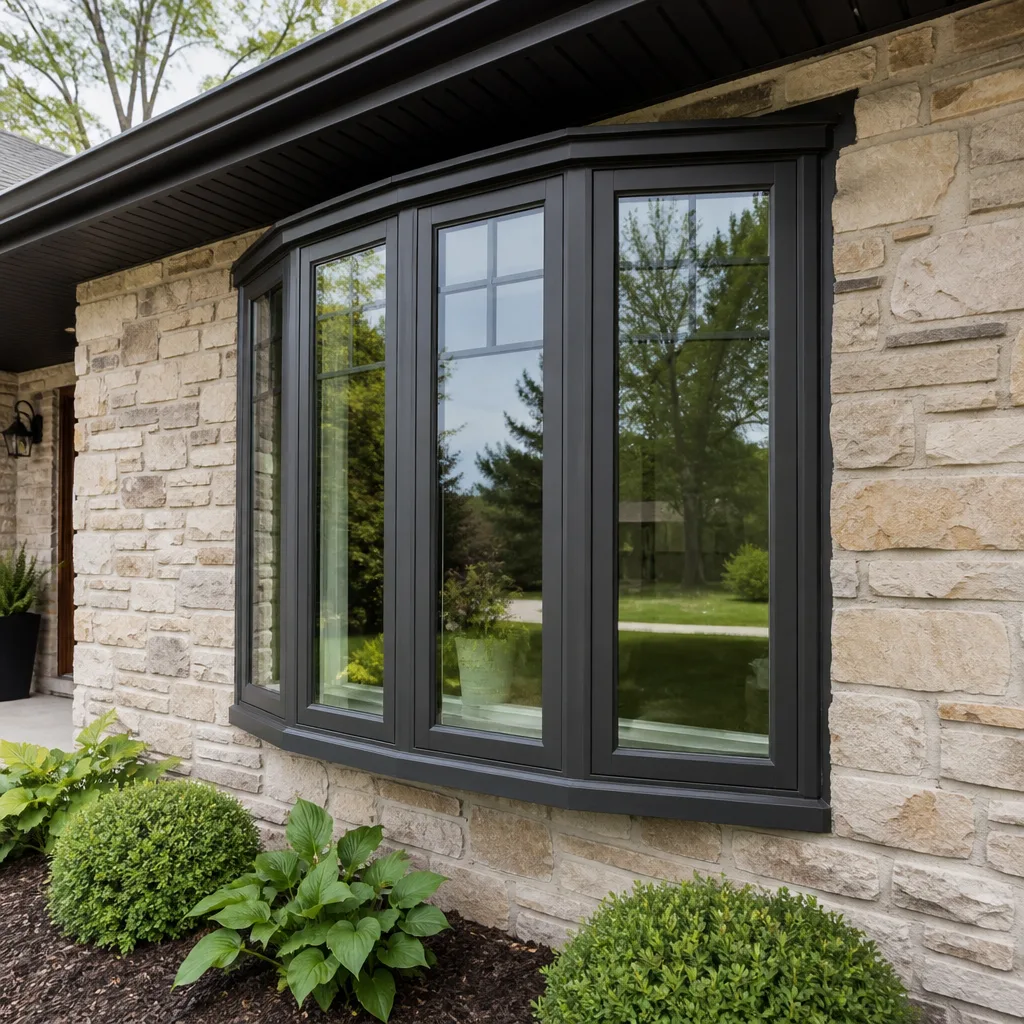 Casement
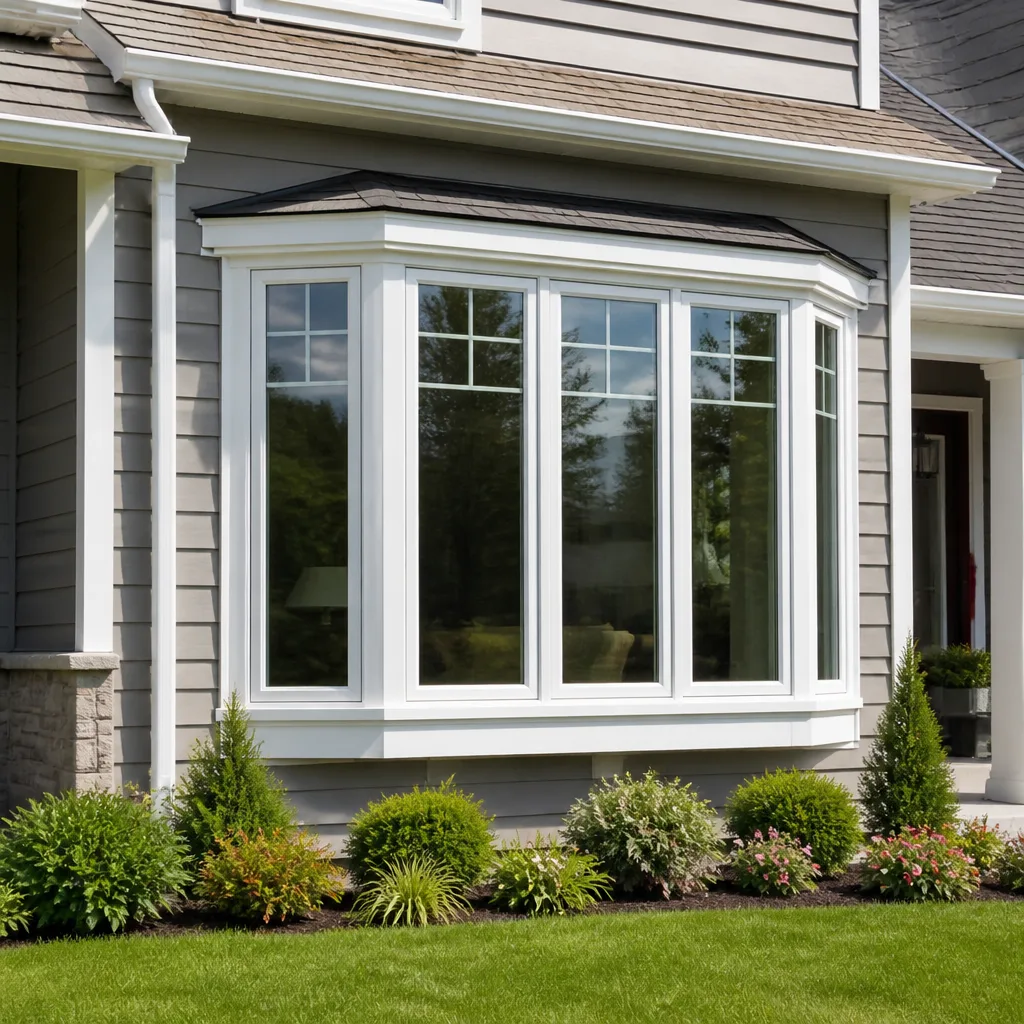 Bay & bow
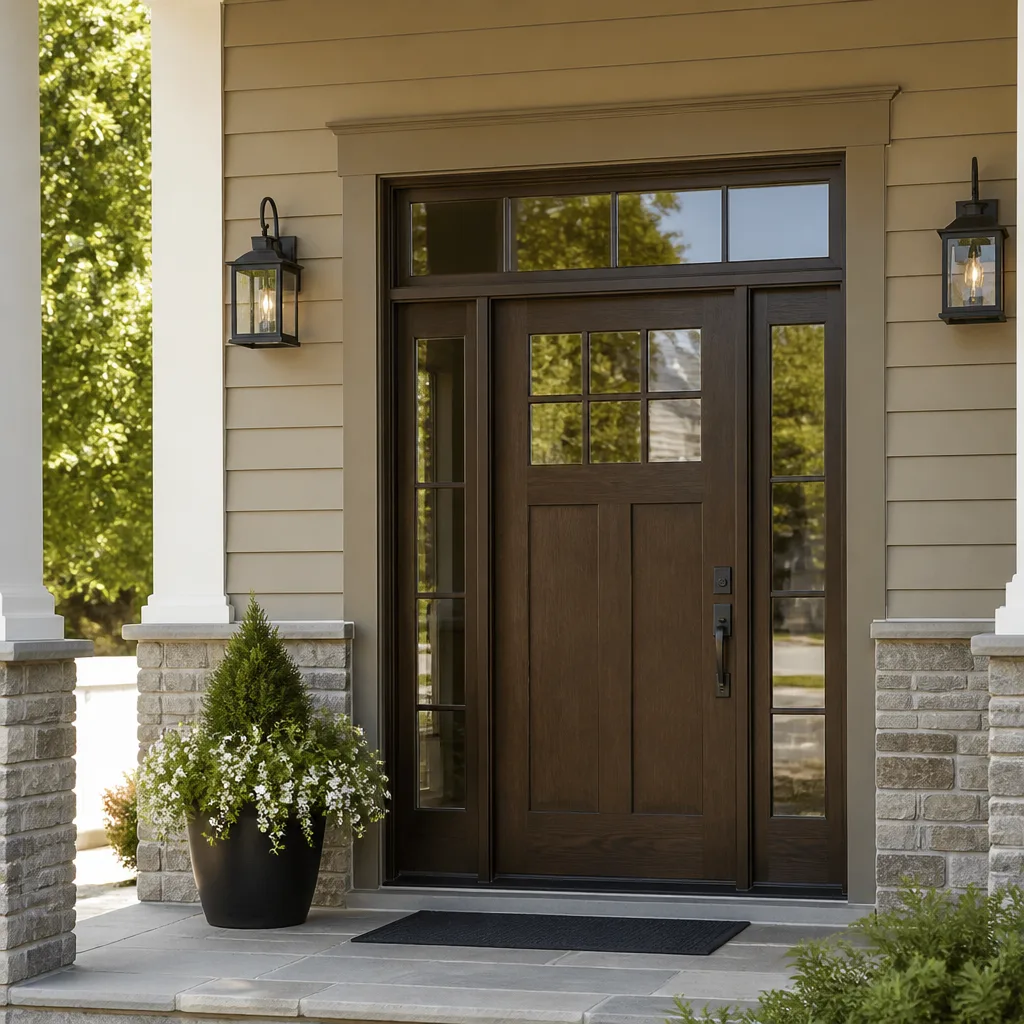 Entry doors
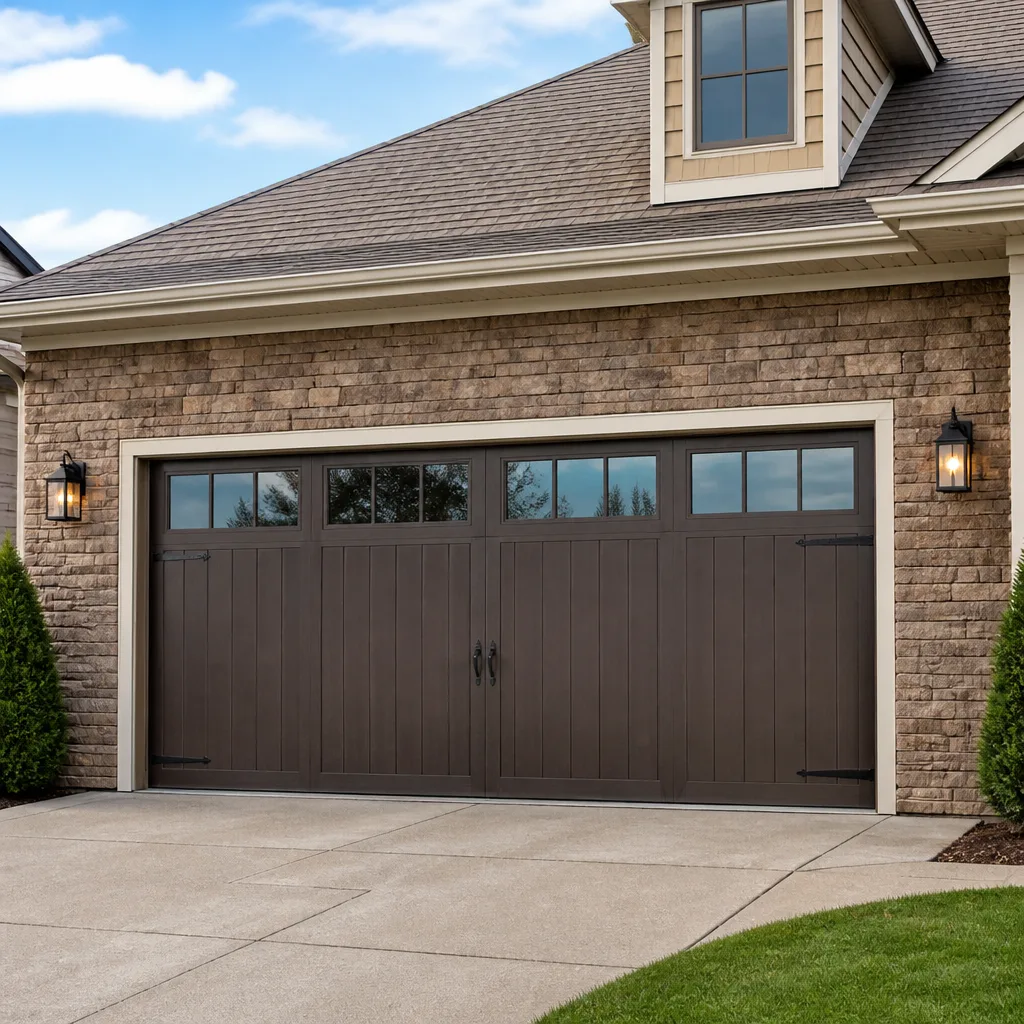 Impact garage doors
 PGT
 CGI
Free in-home measure and quote - PGT, CGI and CWS impact lines compared on your actual openings, style by style
Get your free estimateDIY vs Professional Windows & Doors: The Spring Valley Homeowner’s Decision Guide
Most Spring Valley homeowners who attempt a window swap alone don’t fail because they lack skill. They fail because of paperwork they never read. Every major window brand voids the product warranty on owner-installed units, and Nevada’s contractor licensing rules draw a hard line that surprises people who bought their home to fix up and sell. Windows and doors are not a weekend paint job. This guide walks through the three filters that actually decide the question – state law, HOA rules, and warranty terms – then gives you a real cost comparison and the two tasks you can legitimately handle yourself. By the end, you’ll know exactly where you stand on your Spring Valley home.
Quick Answer
For most Spring Valley homes, professional installation is the right call – and it’s not mainly about skill. Nevada law limits who can legally install windows on a property, HOAs across Spring Valley set their own rules, and the manufacturer’s warranty on PGT, CGI, and Therma-Tru products usually requires professional installation to stay valid. You can reasonably DIY weatherstripping and door hardware. Anything involving the window itself or a full door replacement is best handled by a licensed, insured professional who stands behind the work.
Styles & brands we work with
- Single hung
- Double hung
- Horizontal roller
- Casement
- Bay & bow
- Sliding glass doors
- Entry doors
- Impact garage doors
- PGT
- CGI
Table of Contents
- What Nevada Law Actually Says About DIY Windows and Doors
- The Warranty Fine Print: What “Professional Installation Required” Means
- The Two Tasks You Can Legitimately DIY
- The Four Tasks You Can’t Do Without Risking Warranty or Code
- The Real Cost Comparison: DIY vs Professional
- HOA Rules and Spring Valley Neighborhoods
- How to Judge a Contractor’s Accountability
- Spring Valley Climate and Why Install Details Matter
What Nevada Law Actually Says About DIY Windows and Doors
Nevada’s contractor licensing law is clearer than most people expect. It is illegal for an unlicensed person to perform construction work – including window replacement – on a home they don’t own, for payment. That part protects you as a homeowner. You can, in theory, replace windows on your own primary residence without holding a contractor’s license.
The complication shows up on the back end. If you install windows yourself and then sell the home within the disclosure window, a buyer’s inspector can flag the work, and the sale can stall on unpermitted or non-code-compliant installation. Spring Valley homes move quickly, and a failed inspection on your window work is the kind of thing that costs you at the negotiating table.
Three things to understand about the legal picture:
- You can work on your own primary residence without a contractor’s license in most cases.
- You cannot legally do paid window work on a home you don’t own. Hiring a neighbor or a friend for cash on a rental or flip is where people get burned.
- Permits and inspections still apply. Spring Valley sits inside Clark County, and window openings, egress windows, and door replacements typically require permitting. A homeowner pulling their own permit is legal; passing the inspection is the real test.
When we’ve walked through homes where the prior owner did the work, we regularly see spring-loaded issues – stripped screws for doors, undersized headers on larger window openings, and flashing that lets in monsoon rain. Code exists for a reason, and the inspection is where those shortcuts surface.
The Warranty Fine Print: What “Professional Installation Required” Means
Here’s the piece most Spring Valley DIYers never read: the product warranty on the window itself is separate from the installation. PGT, CGI, Therma-Tru, and most premium brands condition the glass and frame warranty on the unit being installed by a licensed, professional installer. Install it yourself, and you’ve voided the coverage on the product before you’ve bought the screws.
That’s a big deal in Clark County climate. Summer highs regularly push past 110°F in Spring Valley, and winter nights dip into the 30s. A correctly installed unit handles that swing. A DIY install with an imperfect seal can flex, fog the glass, or leak around the frame – and none of that will be covered because the warranty already went void.
What “professional installation required” actually means for your coverage:
- The manufacturer covers defects in materials and workmanship – cracked glass, failed seals, frame defects – but only if the unit was installed per their specifications by a qualified installer.
- Labor warranty is separate. The brand almost never covers labor; that’s on the installer. Which is why an accountable installer matters more than the badge on the glass.
- Therma-Tru doors follow the same pattern. The door slab and frame warranty assumes a proper install with correct flashing and threshold weather-sealing. Skip that, and you own the water damage yourself.
If you’re weighing impact-rated products specifically, the warranty stakes go up – a failed impact window in a wind event isn’t a comfort problem, it’s a safety one. Our Impact Windows in Spring Valley guide covers how the installation details affect the rated performance of the unit.
The Two Tasks You Can Legitimately DIY
We’re not going to tell you every window task requires a professional. Two of them don’t, and a careful homeowner with basic tools can handle both:
- Weatherstripping replacement. Door sweeps, foam-tape weatherstripping around door frames, and the weather-seal on sliding glass doors wear out every few years in Spring Valley’s dust and heat. The job is inexpensive, reversible if you get it wrong, and touches nothing structural. Buy the same profile type as the original and replace like for like.
- Door hardware swaps. Handlesets, deadbolts, entry locks, and hinges are genuinely DIY-friendly. Standard bore-hole sizing makes most handlesets a direct swap. This is the task where a homeowner saves real money on a small upgrade, and the downside is a stripped screw. Nothing worse.
Two additional edge cases exist – replacing a screen in a slider, and repainting or refinishing a door that’s already structurally sound. Neither touches the glazing or the frame, and neither requires a permit. Both are low-risk cosmetic fixes.
Two things to know before you start: use a drill with a clutch to avoid stripping the hardware screws, and keep your original parts until the new ones are seated and tested. In Las Vegas Valley heat, cheap weatherstripping can degrade in two summers. Buy the mid-grade product, not the bargain bin.
The Four Tasks You Can’t Do Without Risking Warranty or Code
Here’s where the DIY path gets expensive. These four tasks routinely trigger warranty voids, code violations, or worse:
- Full window replacement. Voids the product warranty on every major brand. Also requires a permit for most openings and a code-compliant install that includes proper flashing, nailing-flange placement, and insulation. One mistake and you’ve created a water-intrusion path you’ll be chasing for years.
- Sliding glass and patio door replacement. Bigger openings, heavier units, more sealing risk. A slider installed with a slightly off-level track will leak inside the frame and warp the door over time – and it voids the warranty on the unit.
- Egress window installation or modification. Egress windows in a bedroom, basement, or any habitable space must meet specific size and opening requirements, and alters structural openings. This is squarely a licensed contractor and permit job – full stop.
- High-tension window mechanisms and spring-balanced units. Several window styles carry stored energy in springs or cables that can cause serious injury when they release unexpectedly. If a spring, cable, or balance has failed on a tilt-in or casement window, this is exactly the moment a trained professional should be handling the repair, not a homeowner with YouTube and a crowbar.
We flag the spring and cable point specifically because it’s the one people underestimate. An untrained release of a high-tension spring can break fingers or worse. There is no DIY shortcut for that work, and no honest guide will suggest one. If you’re eyeing larger jobs, our Window Installation in Spring Valley page walks through what a permitted install actually includes.
The Real Cost Comparison: DIY vs Professional
Here’s the section most people want. We’ll break it down honestly, because the DIY math looks good on paper and falls apart once you add the pieces most homeowners forget.
| Cost factor | DIY (per window) | Professional (per window) |
|---|---|---|
| Window unit | $250 – $700 | $250 – $700 (same product) |
| Install labor | $0 (your time) | $150 – $350 |
| Tools | $80 – $300 (saw, flashing tools, caulk gun, level) | Included |
| Permit | $80 – $200 (you pull it) | Pulled by the contractor |
| Warranty coverage | Void on the product | Product + workmanship warranty intact |
| Inspection risk | You own it if it fails | Contractor owns rework |
| Time | 4 – 8 hours per window, first-timer | Scheduled and completed |
| Resale value impact | Flagged if unpermitted | Documented permit adds value |
The DIY column looks cheaper on paper by $200 – $500 per window. Then reality lands. Once you add the tool cost, the permit, and the voided warranty on a $600 window, the gap narrows to near zero. And the warranty void is the buried cost: a $600 Do-It-Yourself window that fogs in year three costs you the full price again to replace, no coverage.
For a Spring Valley homeowner replacing six windows, the honest apples-to-apples is often within $500 – $1,000 total on a $4,000 – $7,000 project. When that price difference includes permits pulled, workmanship guaranteed, and product warranty intact, the professional column is the better financial decision in most cases.
Sliding glass doors and entry doors skew even more toward professional. The unit cost is higher, the install is more technical, and a failed door install shows up as water damage to the subfloor – which is a $2,000 problem, not a $200 one.
HOA Rules and Spring Valley Neighborhoods
Spring Valley is not a single set of rules. It’s a patchwork of HOAs, and many of them have specific architectural-review requirements around windows and doors that catch homeowners off guard.
Neighborhoods across Spring Valley – from the communities along Fort Apache and Tropicana corridors to the gated sections near Flamingo and Decatur – routinely require architectural approval for:
- Frame color and finish. If your current windows are bronze and your HOA’s architectural guideline calls for dark bronze, a black-frame window will need approval before install.
- Visible grill patterns. Changing the interior muntin layout on a front-facing window is often subject to design review.
- Front door style and color. Many Spring Valley HOAs specify entry door color and panel style. A Therma-Tru fiberglass door in the “wrong” color can be a violation even if it’s a beautiful product.
- Type of glazing. Some communities restrict mirrored or heavily tinted glass on street-facing elevations.
The DIY trap here is that an unapproved window or door install can trigger an HOA violation separately from a Clark County permit issue. Two regulators, two sets of paperwork, two ways to lose.
A licensed contractor who regularly works Spring Valley handles this on every job: pulling permits, checking HOA guidelines before order, and walking the install to a documented close-out. Our Winslow Windows & Doors Spring Valley home page is where we keep the service catalog for the neighborhoods we serve most.
How to Judge a Contractor’s Accountability
Hiring a professional only solves the DIY problem if that professional stands behind the work after they drive away. That’s the part homeowners have been burned on. Here’s the filter we recommend for any Spring Valley contractor – and it’s the same filter we’d ask you to hold us to.
- Verify the license number and address are published. A real contractor has a published physical address and an active Nevada contractor license you can look up. No shell company, no PO box.
- Get the estimate in writing, line-itemed. A lump-sum number on a business card is not a quote. You want material, labor, permit cost, and exclusions spelled out.
- Ask what happens if something fails after close-out. The answer tells you everything. A real workmanship warranty has a term and a name attached to it. If the answer is “call us,” that’s not a warranty.
- Check that they pull the permit themselves. A contractor who asks you to pull the permit is asking you to own the inspection risk.
- Confirm who shows up at your door. Background-checked, uniformed installers are verifiable. A contractor who can’t describe who will be in your home on install day is a red flag for a Spring Valley homeowner.
We hold ourselves to a higher bar because we have to. Winslow operates under the 36500-Day Done Right Promise – if the work isn’t right, we come back and fix it. Our license number and address are published. Our technicians are background-checked and arrive in uniform. We answer the phone with a live person, day or night. That’s what an accountable contractor looks like. Any contractor you hire for Spring Valley work should clear all five filters above or you should keep looking.
Spring Valley Climate and Why Install Details Matter
Spring Valley’s climate is hard on windows and doors in specific, testable ways that most generic DIY guides never mention. The Las Vegas Valley gets roughly 4 inches of rain a year – but it comes in bursts, and monsoon-driven rain hits a window or slider with more force than the total rainfall suggests. Wind-driven rain finds every missed caulk line.
Then there’s the heat. Spring Valley summer surface temperatures on south-facing walls push past 150°F. That thermal cycling expands and contracts the frame. A DIY install with a perfectly level frame and a slightly imperfect seal will look flawless on day one and develop a leak by the second monsoon season. We’ve seen it in homes off Rainbow and Warm Springs – window flashing gaps that were invisible in January and dripping into the wall by August.
Dust is the third factor. Spring Valley regularly sees airborne dust that infiltrates poorly sealed frames. Weatherstripping installed with the wrong adhesive fails in three years. Door thresholds set without proper flashing collect grit and destroy the seal.
Three climate-specific installation details our installers get right on every Spring Valley job:
- Flashing tape applied per manufacturer spec on all four sides, not just the sill.
- Low-expansion foam insulation at the frame perimeter, not standard expanding foam that can bow a frame.
- Threshold sealing on all exterior doors, especially sliders, which are the most common leak point.
These aren’t add-ons. They’re the difference between a window that lasts 25 years and one that fails in 5. For a signed-and-sealed professional job, our Window Replacement in Spring Valley page spells out what a Spring Valley-appropriate install includes.
Common Mistakes to Avoid
- Buying the window before checking the HOA. A beautiful PGT window in a frame color your HOA doesn’t allow gets you a violation. Confirm the architectural review requirement before you order.
- Assuming a cash handyman is cheaper. Unlicensed paid window work is illegal under Nevada contractor law, and it voids the manufacturer warranty. The savings evaporate when the first leak shows up.
- Skipping the permit to save the fee. Spring Valley homes sell fast, and an unpermitted window install turns into a disclosure problem when the buyer’s inspector catches it.
- Choosing on price alone. A quote that’s 20% lower than the others usually omits permit, warranty, or proper flashing detail. Ask for a written line-item scope and compare those, not the bottom-line number.
- Hiring without a published license number and address. If you can’t find the license number, don’t sign the contract. It’s the fastest vetting check there is.
- Tackling a slider on a Saturday. Sliding glass doors are the most common source of water intrusion in Spring Valley homes. A DIY slider install that misses the track level or the flashing is the most expensive mistake on this list.
- Ignoring the warranty fine print. Read the installation requirements on the product before you buy it. “Professional installation required” is the fine print that voids your coverage.
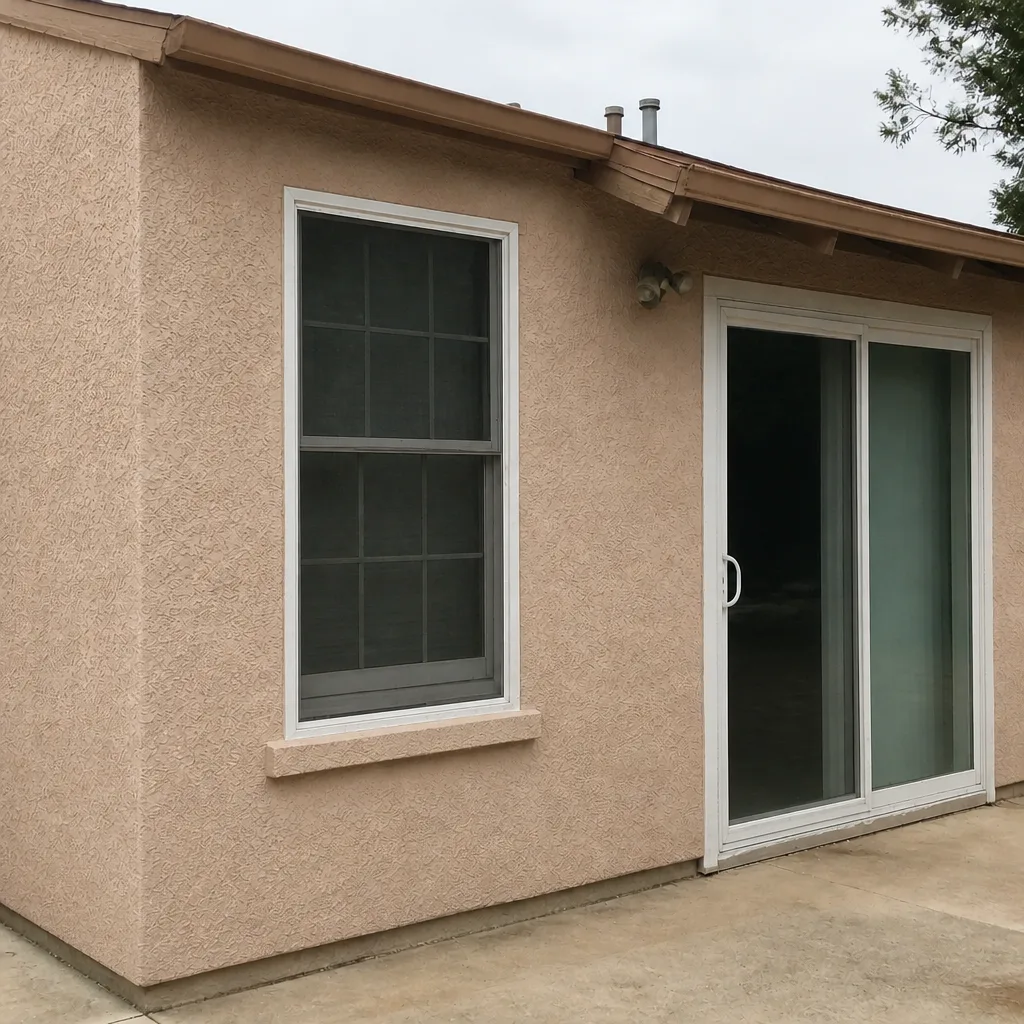
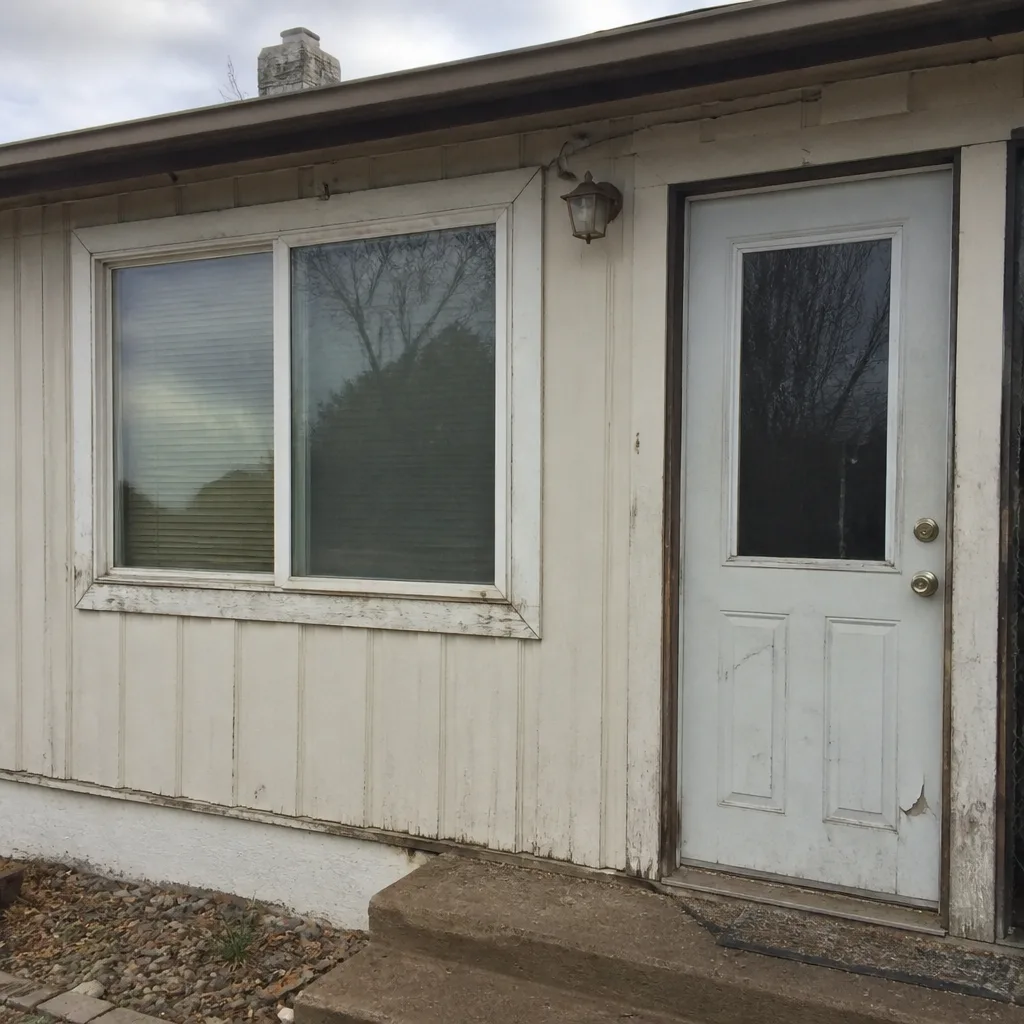
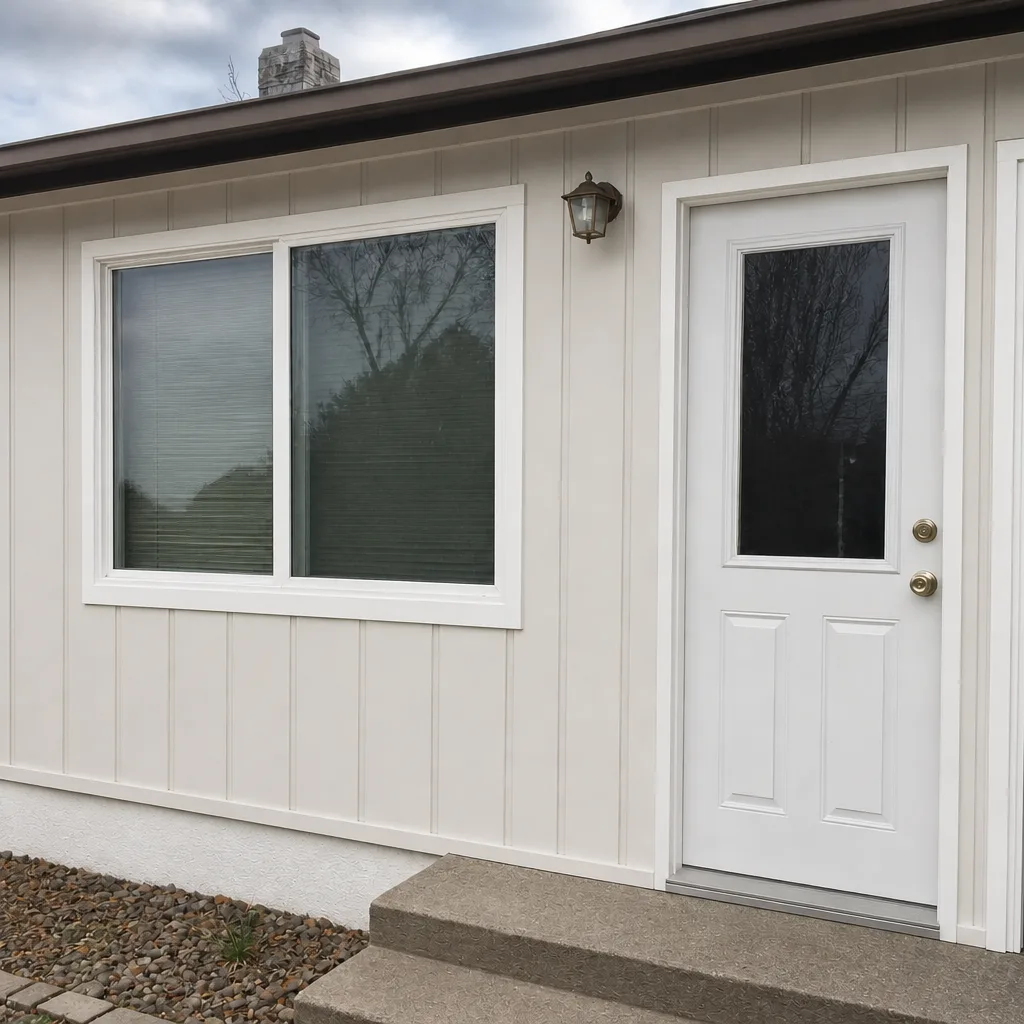
See the difference
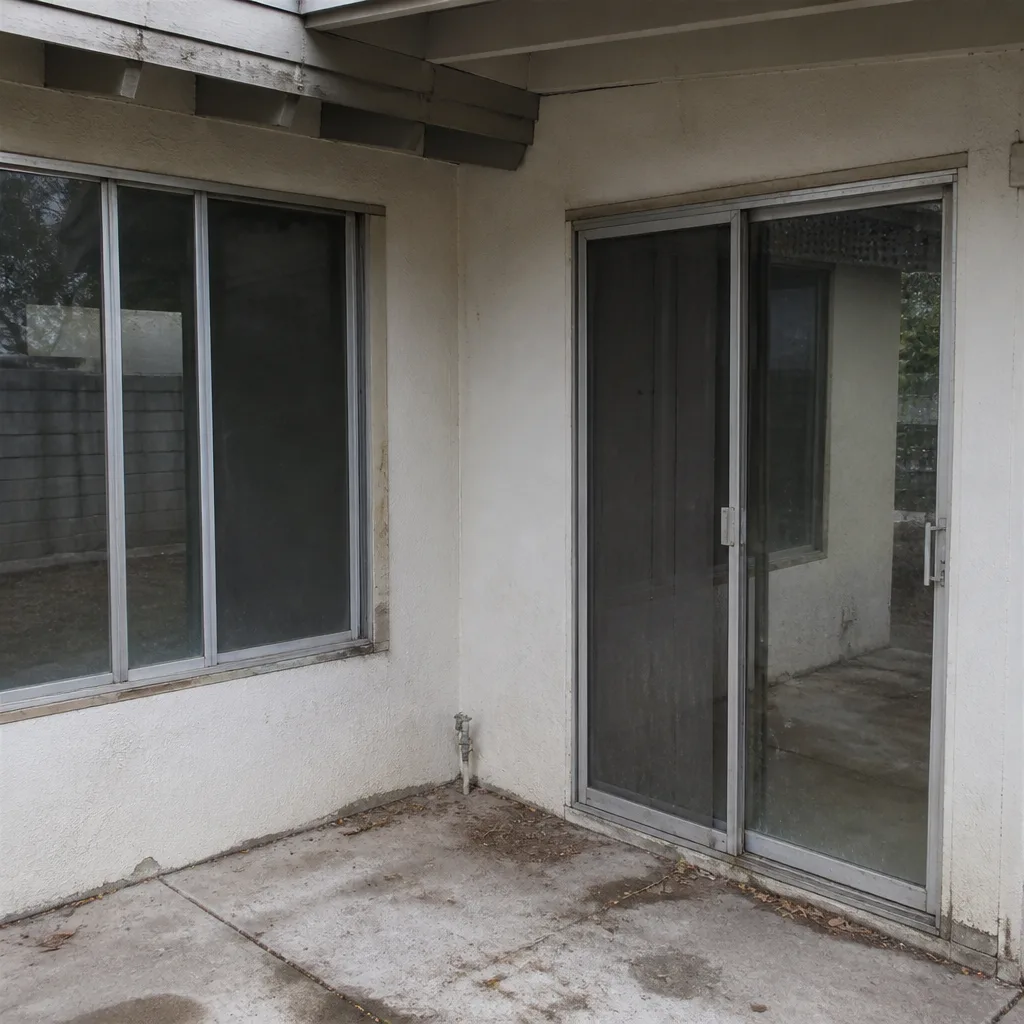 Before
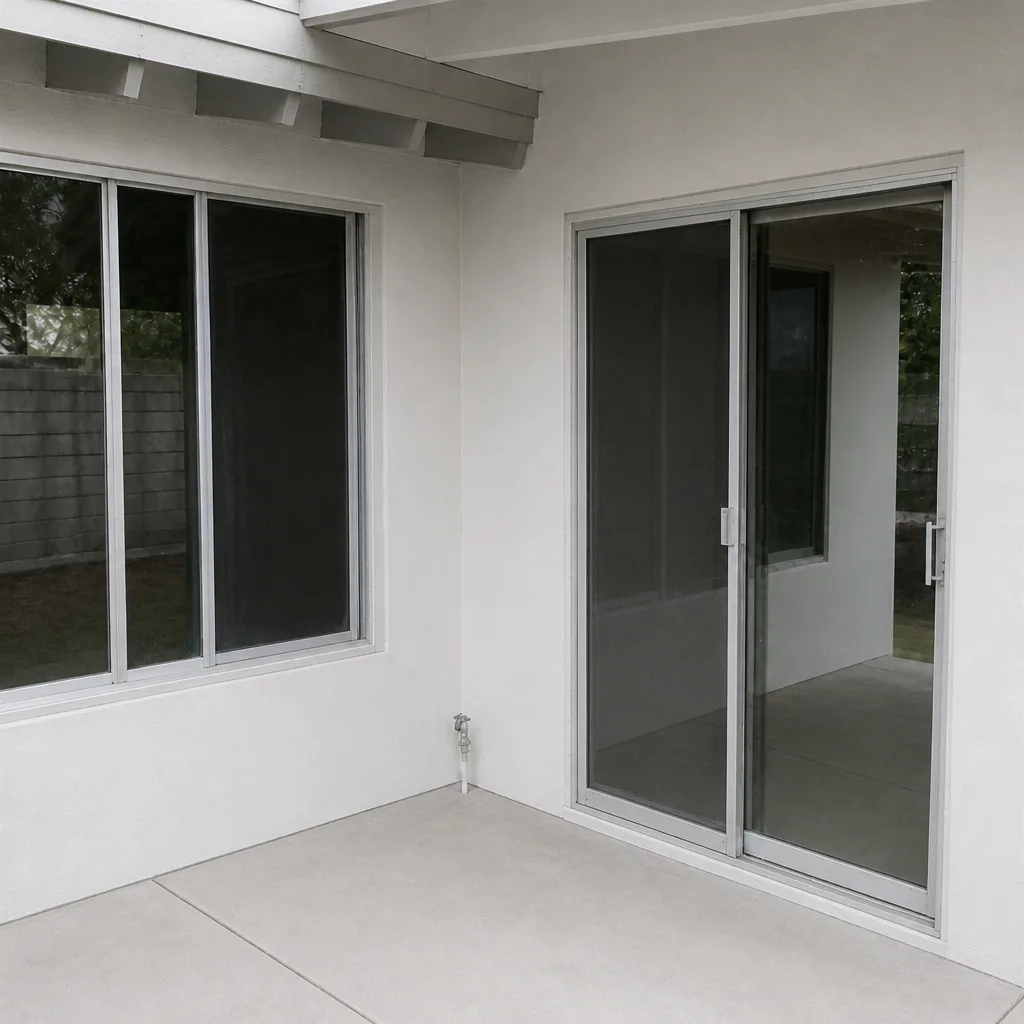 After
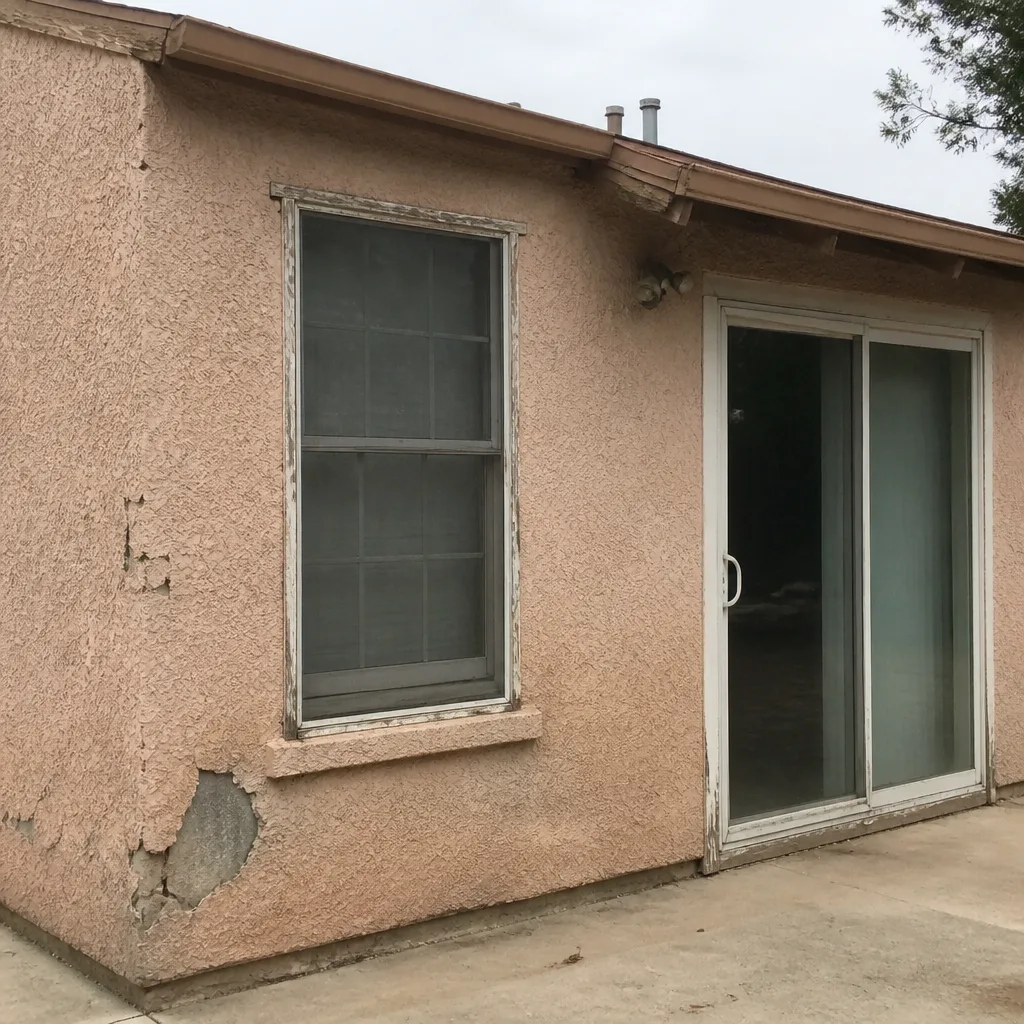 Before
 After
 Before
 After
When to Call a Professional
Call a professional when the job involves the window opening, the structural frame, a sliding door, an egress window, or anything with a warranty attached. Also call when you’re selling within a few years – the permit and inspection trail is what protects your resale. And call if you’re considering doing paid work on a rental or flip, because that’s straight-up illegal without a license in Nevada.
For the two DIY tasks we covered – weatherstripping and door hardware – you’re fine on your own. For everything else, get an expert in. Winslow Windows & Doors Spring Valley offers free estimates in Spring Valley – call (888) 282-3902. We pull the permits, we check the HOA guidelines, we install per manufacturer spec, and the work is backed by the 36500-Day Done Right Promise. If it’s not done right, we make it right. Our technicians have up to 15 years of experience on this exact work.
Frequently Asked Questions
In most cases yes, a homeowner can install windows on their own primary residence without a Nevada contractor’s license – but the work still requires a permit and must pass inspection, and doing paid window work on a home you don’t own is illegal without a license. The bigger issue is the warranty: installing the unit yourself voids the product warranty on most major brands, so you carry all replacement cost if something fails.
Usually yes. PGT, CGI, and most premium window brands require installation by a licensed professional to keep the product warranty in force. Read the specific warranty document for your product before you buy, because the fine print on professional-installation requirements is where the coverage is defined. Call (888) 282-3902 for a free second opinion on any written estimate you’ve received.
The realistic savings are narrower than most homeowners expect. On a six-window project, the DIY column might be $500 – $1,000 cheaper once you account for tools, permit, and time – but you’re carrying a voided warranty on $3,000 – $4,200 worth of glass and frame. When you add the resale risk of an unpermitted install, most Spring Valley homeowners find professional installation is the better financial decision.
Most window replacements and door replacements in Spring Valley require a Clark County permit, and egress windows or changes to structural openings always do. A licensed contractor pulls the permit for you and owns the inspection outcome. A homeowner can pull their own permit, but you carry the risk if the inspection fails.
Many Spring Valley HOAs require architectural review before you install a new window or door, especially on street-facing elevations. Frame color, grill pattern, and entry door style are commonly regulated. A contractor who regularly works Spring Valley will know to check this before ordering product – if they don’t ask, ask them.
Call a professional for any full window replacement, sliding glass door install, egress window work, or any window with a failed spring or cable mechanism. Those jobs carry real risk of injury, warranty void, or code violation. Call (888) 282-3902 to schedule a free estimate – we’ll tell you honestly whether your project is DIY-able.
The Bottom Line
The DIY-vs-professional question in Spring Valley comes down to three filters: Nevada licensing law, your HOA’s architectural guidelines, and the manufacturer warranty on the product. Weatherstripping and door hardware are safe DIY tasks. Full window and door replacement isn’t – not because homeowners lack skill, but because the warranty fine print, the permit inspection, and the Spring Valley climate installation details work against a DIY install. The real cost difference between DIY and professional is smaller than most people think once tools, permits, and voided warranties are counted. When you’re ready to price your project, call (888) 282-3902. Estimates are free, the quote is line-itemed, and our technicians carry up to 15 years of experience on Spring Valley installs.
Written by the team at Winslow Windows & Doors Spring Valley.